




Clave para revolucionar a calidade da soldadura de porcas con robots soldadores
Os robots soldadores están sendo cada vez máis utilizados na fabricación moderna, especialmente na soldadura de porcas. Reducen eficazmente os defectos de soldadura mellorando a precisión e a consistencia da soldadura. Este artigo explorará as vantaxes dos robots soldadores na redución dos defectos de soldadura de porcas e as razóns detrás disto.
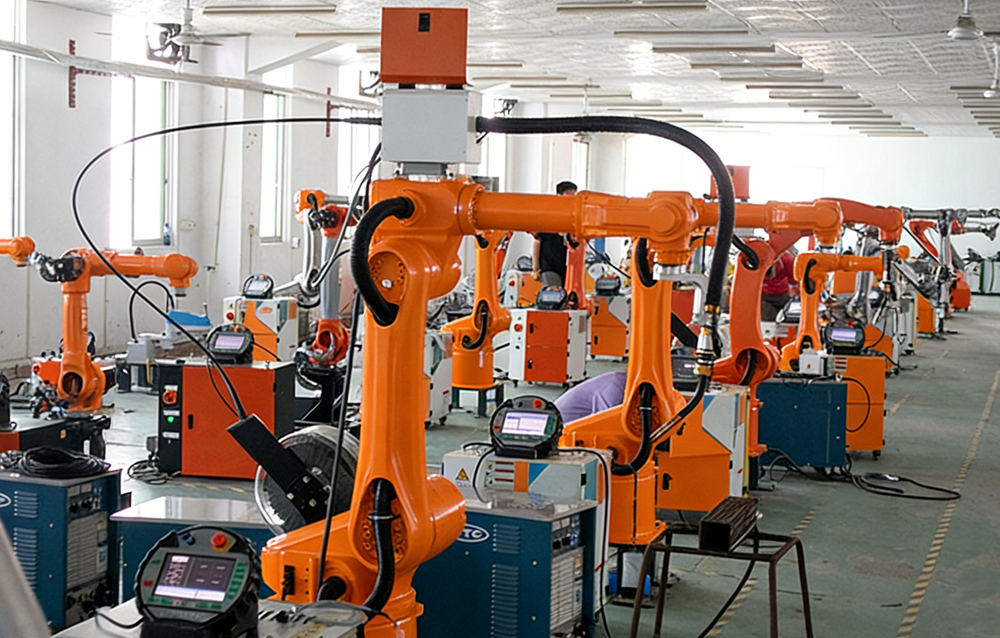
Vantaxes fundamentais dos robots soldadores
Os robots soldadores ofrecen melloras revolucionarias na soldadura de porcas grazas á súa alta precisión e repetibilidade.
1. Control preciso
Os robots soldadores poden controlar con precisión os parámetros de soldadura, como a velocidade de soldadura, o ángulo e a distancia, garantindo a calidade da soldadura.
2. Repetibilidade e consistencia
En comparación coa soldadura manual, os robots de soldadura poden realizar continuamente as mesmas operacións, garantindo a repetibilidade e consistencia do proceso de soldadura.
Razóns para reducir os defectos na soldadura de porcas
A utilización de robots de soldadura reduce considerablemente os defectos na soldadura de porcas, principalmente debido a:
1. Redución dos erros humanos
Grazas á operación programada dos robots de soldadura, redúcese a posibilidade de erros causados por factores humanos, como tremores das mans ou posturas incorrectas durante a soldadura.
2. Adaptabilidade ao medio ambiente
Os robots de soldadura poden operar de forma estable en diversos entornos, mantendo resultados de soldadura de alta calidade incluso en condicións extremas ou adversas.
3. Monitorización e axuste en tempo real
Muitos sistemas avanzados de robots de soldadura están equipados con sensores e sistemas de visión, o que lles permite supervisar o proceso de soldadura en tempo real e axustar automaticamente os parámetros para facer fronte a cambios nos materiais ou no entorno.
4. Aumento da eficiencia produtiva
Os robots de soldadura melloran a eficiencia da soldadura, reducen o traballo de refección e os desperdicios debidos a defectos, o que permite ahorrar custos.
Perspectivas futuras de aplicación dos robots de soldadura
Con os continuos avances tecnolóxicos, os robots de soldadura desempeñarán un papel aínda máis importante na mellora da calidade da soldadura de porcas.
1. Integración de tecnoloxías máis avanzadas
No futuro, os robots de soldadura poderían integrar tecnoloxías máis avanzadas de intelixencia artificial e aprendizaxe automática para optimizar aínda máis o proceso de soldadura e mellorar a súa adaptabilidade.
2. Aplicación ampla en diversos sectores industriais
Á medida que a industria manufactureira exixe unha maior calidade na soldadura, os robots de soldadura serán amplamente utilizados en máis sectores industriais.
3. Automatización das liñas de produción
Os robots de soldadura son un compoñente clave para lograr a automatización completa das liñas de produción, mellorando a eficiencia xeral da produción e os niveis de control de calidade.
A importancia dos robots de soldadura na fabricación
Os robots de soldadura desempeñan un papel crucial na redución de defectos na soldadura de porcas; non só melloran a calidade da soldadura senón que tamén aumentan a eficiencia e a seguridade na produción. Co progreso tecnolóxico, os robots de soldadura seguirán sendo un motor clave da automatización e da innovación na fabricación.
Novas oportunidades derivadas do desenvolvemento tecnolóxico
No futuro, coa continuación do avance tecnolóxico, os robots de soldadura poderían incorporar sensores máis avanzados, capacidades informáticas máis potentes e sistemas de control máis precisos. Estes avances permitirán que os robots de soldadura realicen tarefas máis complexas e logren soldaduras precisas e eficientes nunha gama máis ampla de aplicacións.
Mellorar a sustentabilidade da produción
Ademais de mellorar a calidade e a eficiencia da soldadura, os robots de soldadura tamén contribúen á redución do consumo de enerxía e ao desperdicio de materiais, impulsando a industria da fabricación cara a unha dirección máis sustentable e respectuosa co medio ambiente.
Abordar os retos e ampliar as aplicacións
Á medida que a industria manufactureira se enfronta a retos cada vez maiores, os robots de soldadura desempeñarán un papel máis importante na mellora da adaptabilidade da produción, na redución dos custos operativos e na resposta a cambios de mercado rápidos. Convertéranse en ferramentas clave para lograr unha produción eficiente, flexible e sostible.
Conclusión: Perspectivas futuras dos robots de soldadura
Os robots de soldadura están converténdose nunha tecnoloxía clave que impulsa a modernización da fabricación. Mediante a innovación tecnolóxica continua e a optimización das aplicacións, os robots de soldadura non só reducirán os defectos na soldadura de porcas, senón que tamén axudarán ás empresas a acadar niveis superiores de automatización, mellorando a eficiencia xeral da produción e a competitividade do sector.

