
- Resumo
- Consulta
- Produtos_relacionados
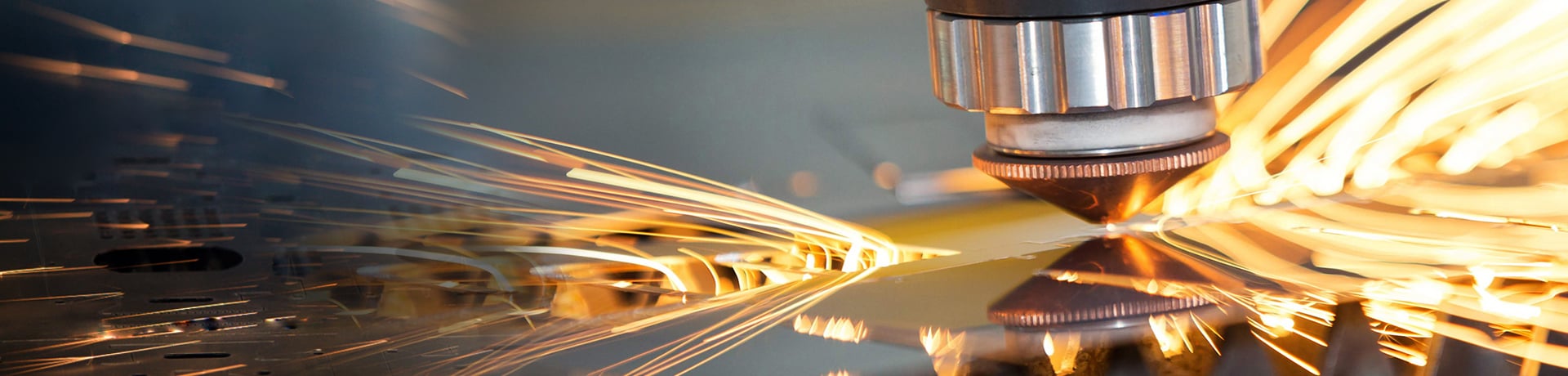
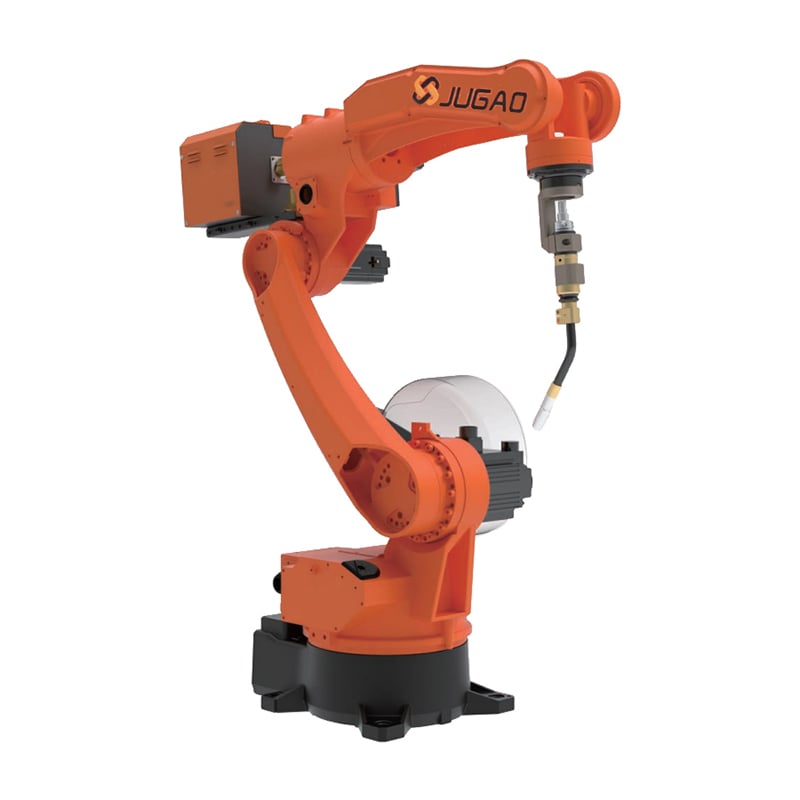
Un robot de soldadura por láser é un equipo automatizado de gama alta que combina a tecnoloxía de soldadura por láser de alta precisión coa tecnoloxía flexible de robots industriais. Xeralmente consta dun láser de fibra de alta potencia, un robot industrial de múltiples eixos (normalmente 6 eixos), unha cabezal de soldadura por láser (con funcións de oscilación ou galvanométricas), un sistema de alimentación de arame (opcional), un sistema de posicionamento por visión, un sistema de seguimento da xunta de soldadura e software de control integrado.
Este sistema aproveita a alta flexibilidade do brazo robótico para guiar con precisión o feixe láser á posición de soldadura na peça de traballo, logrando operacións de soldadura sen contacto, a alta velocidade e de alta calidade. En comparación cos robots tradicionais de soldadura por arco, os robots de soldadura láser ofrecen vantaxes revolucionarias en canto a zona afectada polo calor, deformación da soldadura e velocidade de soldadura.
Características e vantaxes
1. Alta precisión e alta calidade:
Alta relación de aspecto: O efecto de «orificio chave» producido pola soldadura láser dá lugar a unha soldadura profunda e estreita, conseguindo unha excelente soldadura dun só lado con formación por ambos os lados.
Pequena zona afectada polo calor: A enerxía láser moi concentrada e a baixa entrada de calor provocan unha deformación mínima da peça de traballo, polo que é especialmente adecuada para soldar pezas de precisión ou chapas finas.
Soldaduras esteticamente agradables: A formación dunha superficie lisa elimina a necesidade de lixar posteriormente.
2. Alta velocidade e alta eficiencia:
Velocidade de soldadura rápida: En comparación coa soldadura tradicional con arco de argón ou coa soldadura por arco eléctrico, a velocidade de soldadura láser pode ser varias veces ou incluso dez veces maior, reducindo considerablemente o tempo de procesamento por peza.
Alta dispoñibilidade: Os robots poden operar continuamente 24 horas a diario, permitindo a produción sen operarios con carga e descarga automatizadas.
3. Alta flexibilidade e adaptabilidade:
Boa accesibilidade: Os robots de 6 eixos poden alcanzar superficies curvas complexas, esquinas interiores, cavidades profundas e outras localizacións inaccesibles para os equipos automatizados tradicionais.
Programación sinxela: Admite programación offline (OLP) e ensino-reproducción; cambiar de produto só require modificar o programa, polo que é adecuado para a produción flexible de múltiples variedades e lotes pequenos.
Programación sinxela: admite a programación sen conexión (OLP) e a ensinanza e reprodución; cambiar de produto só require cambiar o programa, polo que é adecuado para a produción flexible de múltiples variedades e lotes pequenos. 4. Proceso intelixente e estable
Vixilancia en tempo real: normalmente integra funcións de posicionamento visual e seguimento da corda de soldadura; pode identificar automaticamente desviacións na posición da corda de soldadura e corrixilas en tempo real, reducindo os rigorosos requisitos de precisión das ferramentas.
Proceso estable: a saída do láser non se ve afectada pola interferencia electromagnética e, combinada coa repetibilidade do robot (normalmente dentro de ±0,05 mm), garante a consistencia na produción en masa.
5. Maquinado sen contacto
Baixo desgaste das ferramentas: comparado cos electrodos de soldadura por puntos ou as ferramentas de soldadura por contacto, o maquinado sen contacto con láser elimina a tensión mecánica e o desgaste das ferramentas, reducindo os custos de mantemento.
Áreas de aplicación
Carrocerías automotrices, baterías de tracción, electrónica 3C, hardware de precisión, dispositivos médicos, aeroespacial, enerxía do hidróxeno, transporte ferroviario, fabricación de moldes
Parámetros_do_producto
| Termo de parámetro | valor numérico |
| número de eixos | vinculación de 5 eixos |
| estrutura | Unión poliarticular horizontal |
| radio máximo | 1280 mm |
| Curso vertical | 500 mm |
| carga | 5 KG |
| reinicialización | ±0,15 mm |
| J1 | ±170° |
| J2 | ±156° |
| J3 | 500 mm |
| J4 | ±360° |
| J5 | ±160° |
| velocidade máxima | J1/J4: 600°/s |
| instalación | Solo / Elevación |
| Peso corporal | 196 kg |