





راهنمای جامع عملیات رباتهای جوشکاری
ربات جوشکاری از دو بخش تشکیل شده است: خود ربات و تجهیزات جوشکاری. استفاده از رباتهای جوشکاری نهتنها کیفیت جوشکاری را پایدار میکند و بهبود میبخشد و بازده تولید را افزایش میدهد، بلکه نیازمندیهای مهارتی جوشکاران را نیز کاهش میدهد و در نتیجه دوره آمادهسازی برای ارتقای محصولات را کوتاهتر کرده و سرمایهگذاری مربوط به تجهیزات را کاهش میدهد.
نیازمندیهای ربات جوشکاری برای سیم جوش
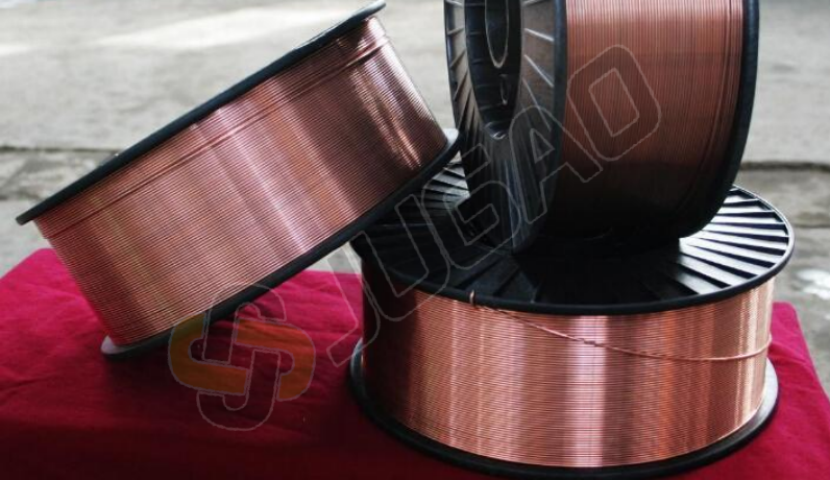
رباتها میتوانند بسته به نیاز از سیم جوشکاری نوع درامی یا پیچدار (ریلی) استفاده کنند. برای کاهش فراوانی تعویض سیم، استفاده از سیم جوشکاری نوع درامی توصیه میشود. با این حال، به دلیل طولانی بودن لوله تغذیه سیم، مقاومت اصطکاکی بالاست و بنابراین سیم جوشکاری باید دارای سفتی و سایر خواص کیفی بالاتری باشد. در صورت استفاده از سیم جوشکاری با کیفیت روکش مسی نسبتاً پایینتر، روکش مسی سطح سیم ممکن است در اثر اصطکاک کند شده یا از بین برود و حجم داخلی لوله راهنما را کاهش دهد. این امر مقاومت را در هنگام تغذیه سیم با سرعت بالا افزایش داده و باعث میشود سیم بهصورت نامنظم تغذیه شود؛ در نتیجه ارتعاش، قوس الکتریکی ناپایدار و کاهش کیفیت جوش ایجاد میشود. در موارد شدید، ممکن است انسداد رخ دهد و ربات متوقف گردد. بنابراین، لوله راهنمای سیم جوشکاری باید بهطور منظم تمیز شود.
تحلیل و روشهای رفع عیوب جوشکاری در رباتهای جوشکار
جوشکاری رباتی با استفاده از گاز محافظ مخلوط غنیشده از آرگون انجام میشود. عیوب رایج جوشکاری شامل عدم تراز بودن جوش، زیرسوزی (آندِرکات) و تخلخل (پُرَه) است. تحلیلهای دقیقتر در ادامه آمده است:
(۱) ناهماهنگی جوش ممکن است به دلیل موقعیت نادرست جوشکاری یا مشکلات در موقعیتگیری مشعل جوش باشد. در این حالت، دقت نقطه مرکزی مشعل جوش (TCP) را بررسی کرده و در صورت لزوم آن را تنظیم کنید. اگر این اتفاق بهطور مکرر رخ دهد، موقعیت صفر هر محور ربات را بررسی کرده و مجدداً کالیبره نمایید.
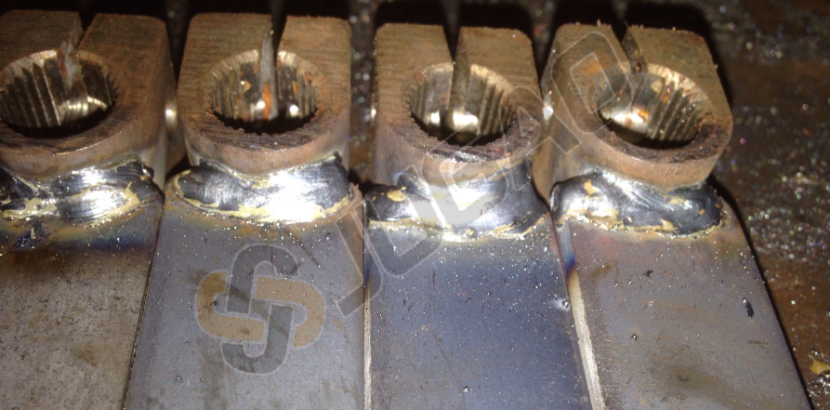
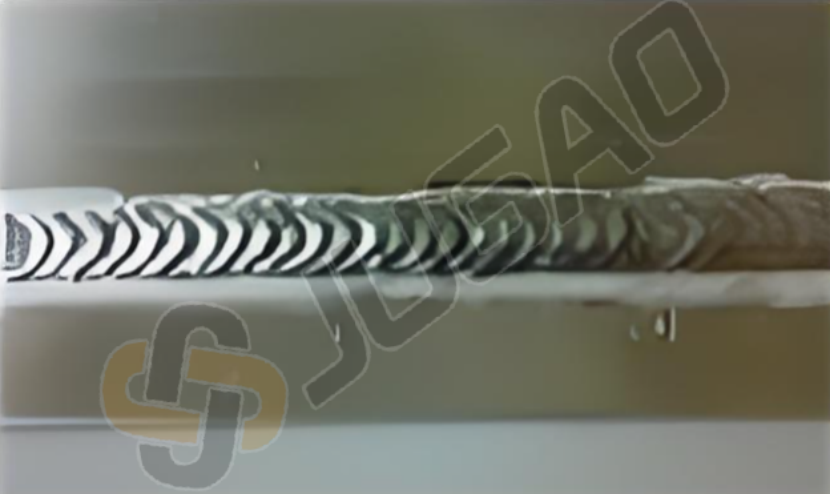
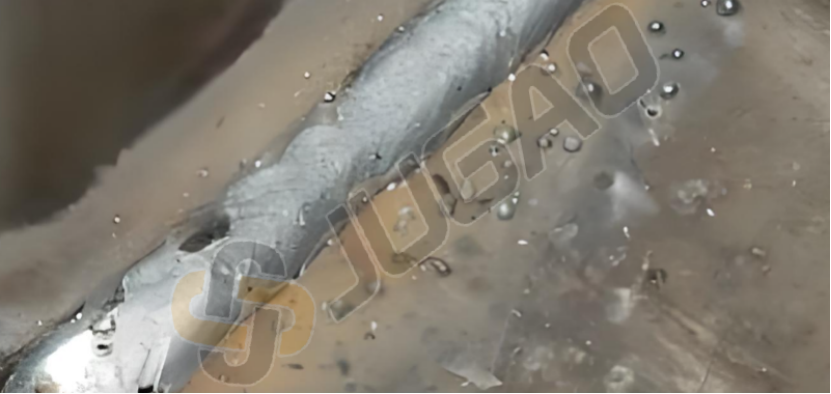
(۲) زیربریدگی با فرورفتگیهایی شبیه شیار در لبه جوش ماده پایه مشخص میشود که اغلب در هر دو طرف جوش رویهای ظاهر میشود. علل اصلی آن عبارتند از: سرعت جوشکاری بیش از حد، دامنه نوسان بیش از حد، زمان توقف ناکافی در هر دو طرف یا جریان جوشکاری بیش از حد. روشهای رفع این عیب شامل کاهش مناسب سرعت جوشکاری، کاهش دامنه نوسان، افزایش زمان توقف در هر دو طرف و استفاده از روش جوشکاری با حرکت به جلو (Push) با زاویه انحراف ۵ تا ۱۰ درجه میباشد. عدم ادغام و نفوذ ناقص، عیوب داخلی جدیای هستند که معمولاً ناشی از جریان جوشکاری ناکافی، سرعت جوشکاری بیش از حد، زاویه شیار بیش از حد، انحراف محور قوس جوشکاری از مرکز شیار یا تمیزکاری ناقص لایههای میانی هستند. برای رفع این عیوب، باید جریان جوشکاری افزایش یابد، سرعت جوشکاری کاهش یابد و دامنه نوسان افزایش یابد تا پوشش دهی مناسب از هر دو طرف شیار تضمین شود. همچنین تمیزکاری لایههای میانی نیز باید تقویت شود. در جوشکاری چندلایه و چندپاس صفحات ضخیم، باید توجه ویژهای به ادغام در هر دو طرف شیار و در محل اتصال لایهها به یکدیگر مبذول گردد.
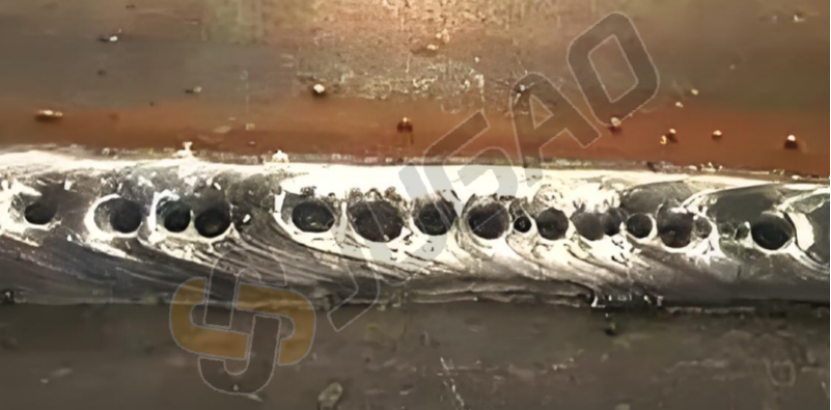
(3) تخلخل ایجاد میشود. تخلخل عمدتاً مربوط به گاز محافظ است که شامل نرخ جریان نامناسب گاز، خلوص ناکافی گاز، انسداد نازل، نشتی در خط گاز و وجود روغن یا زنگزدگی روی سطح قطعه کار یا رطوبت روی سیم جوش است. برای رفع این مشکل، پارامترهای گاز باید به محدوده ۱۵ تا ۲۵ لیتر بر دقیقه بهینهسازی شوند، سیستم گاز بررسی گردد، نازلها تمیز شوند و محیط کار بهبود یابد تا سرعت باد زیر ۲ متر بر ثانیه کنترل شود. همچنین سطح قطعه کار قبل از جوشکاری باید بهطور کامل پاکسازی شود. پاشندگی بیش از حد معمولاً ناشی از عدم تطابق پارامترهای جوشکاری، طول بیش از حد امتداد سیم جوش یا کیفیت پایین سیم جوش است. این مسئله با تنظیم مناسب ولتاژ و جریان، کنترل طول امتداد سیم در محدوده ۱۰ تا ۱۵ میلیمتر، استفاده از سیم جوش بدون مس یا سیم جوش مسپوش با کیفیت بالا و استفاده از مخلوط آرگون و دیاکسید کربن قابل بهبود است.
(۴) پاشیدگی بیش از حد ممکن است ناشی از انتخاب نادرست پارامترهای جوشکاری، مشکلات در ترکیب گاز یا طول بیش از حد سیم جوشکاری باشد. تنظیم خروجی توان میتواند پارامترهای جوشکاری را تغییر دهد، تنظیم نسبت مخلوط گازها میتواند تناسب گازهای مخلوط را اصلاح کند و تنظیم موقعیت نسبی مشعل جوشکاری و قطعه کار نیز میتواند کمککننده باشد.
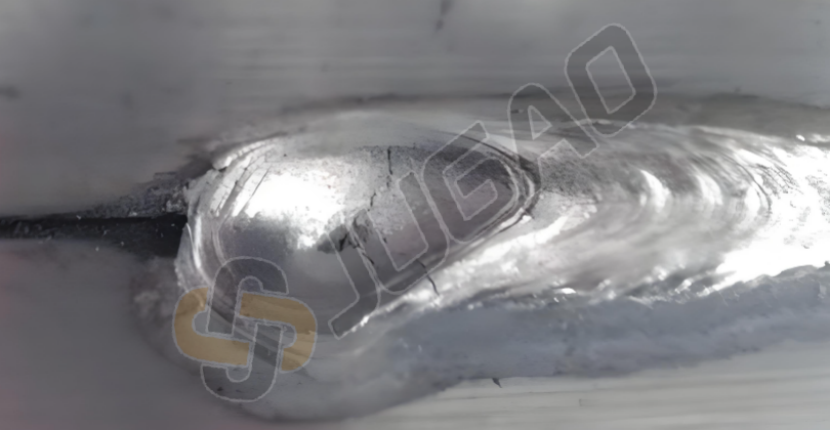
(۵) حفره قوس در انتهای جوش پس از سرد شدن ایجاد میشود. افزودن قابلیت پرکردن حفره در زمان برنامهنویسی میتواند این حفره را پر کند.
خطاهای رایج رباتهای جوشکاری و راهحلهای آنها
(۱) برخورد مشعل. این امر ممکن است ناشی از انحراف در مونتاژ قطعه کار یا نادقیق بودن نقطه کنترل ابزار (TCP) مشعل جوشکاری باشد. مونتاژ را بررسی کنید یا TCP مشعل جوشکاری را اصلاح نمایید.
(۲) شکست قوس و عدم امکان ایجاد قوس. این امر ممکن است ناشی از عدم تماس سیم جوشکاری با قطعه کار یا بسیار پایین بودن پارامترهای فرآیندی باشد. سیم جوشکاری را بهصورت دستی تغذیه کنید، فاصله بین مشعل جوشکاری و محل جوش را تنظیم نمایید یا پارامترهای فرآیندی را بهطور مناسب اصلاح کنید.
(۳) هشدار نظارت بر گاز محافظ. این هشدار نشاندهندهی خرابی در تأمین آب خنککننده یا گاز محافظ است. لطفاً خطوط لولهی آب خنککننده یا گاز محافظ را بررسی کنید.
چگونه کیفیت قطعهی کار را تضمین کنیم
بهعنوان یک ربات آموزشپذیر و تکرارکننده، کیفیت و دقت مونتاژ قطعهی کار باید ثابت و یکنواخت باشد.
استفاده از رباتهای جوشکاری نیازمند کنترل دقیق کیفیت آمادهسازی قطعات و بهبود دقت مونتاژ است. کیفیت سطحی قطعات، ابعاد شیار (شیب)، و دقت مونتاژ بر عملکرد ردیابی جوش تأثیر میگذارند. جنبههای زیر میتوانند برای بهبود کیفیت آمادهسازی قطعات و دقت مونتاژ جوش مورد استفاده قرار گیرند:
(۱) توسعه فرآیندهای جوشکاری بهطور خاص برای رباتهای جوشکاری، با مشخصات فرآیندی دقیق برای ابعاد قطعات، شیارهای جوش و ابعاد مونتاژ. بهطور کلی، تلرانس ابعاد قطعات و شیارها باید در محدوده ±۰٫۸ میلیمتر و خطاهای ابعاد مونتاژ در محدوده ±۱٫۵ میلیمتر کنترل شوند. این امر میتواند احتمال وقوع نقصهای جوش مانند حفرهداری و زیرجوشی را بهطور قابلتوجهی کاهش دهد.
(۲) استفاده از فیکسچرهای مونتاژ با دقت بالا برای بهبود دقت مونتاژ قطعات جوشخورده.
(۳) سطوح جوش باید بهطور کامل پاکسازی شوند و عاری از روغن، زنگ، سرباره جوش، سرباره برش و سایر آلایندهها باشند. استفاده از پرایمر قابل جوشکاری مجاز است. در غیر این صورت، نرخ موفقیت ایجاد قوس الکتریکی تحت تأثیر قرار میگیرد. جوشهای موقت باید از جوشکاری الکترودی به جوشکاری محافظتشده با گاز تغییر یابند. همزمان، ناحیه جوشهای موقت باید سوهانکشی شود تا از بقای سرباره یا حفرههای ناشی از جوشهای موقت جلوگیری شود و بدین ترتیب ناپایداری قوس و حتی پاشیدگی جلوگیری گردد.
خلاصه تکنیکهای برنامهنویسی
(۱) انتخاب ترتیب جوشکاری مناسب. ترتیب جوشکاری باید بهگونهای تعیین شود که تغییرشکل ناشی از جوشکاری و طول مسیر حرکت مشعل جوشکاری به حداقل برسد.
(۲) انتقال فضایی مشعل جوشکاری نیازمند مسیری کوتاه، هموار و ایمن برای حرکت است.
(۳) بهینهسازی پارامترهای جوشکاری. برای بهدست آوردن بهترین پارامترهای جوشکاری، قطعات کار را برای آزمونهای جوشکاری و ارزیابی فرآیند آماده کنید.
(۴) موقعیت منطقی دستگاه تنظیمکننده (پوزیشنر)، حالت قرارگیری مشعل جوشکاری و موقعیت مشعل جوشکاری نسبت به درز جوش. پس از ثابتشدن قطعه کار روی دستگاه تنظیمکننده، اگر درز جوش در موقعیت و زاویه ایدهآل قرار نداشته باشد، در طول فرآیند برنامهنویسی باید دستگاه تنظیمکننده بهطور مداوم تنظیم شود تا اطمینان حاصل شود که درز جوش بهصورت پیدرپی به موقعیت افقی برسد. همزمان، موقعیت محورهای مختلف ربات نیز باید بهطور مداوم تنظیم شوند تا موقعیت، زاویه و طول امتداد سیم جوشکاری مشعل نسبت به درز جوش بهصورت منطقی تعیین گردند. پس از تعیین نهایی موقعیت قطعه کار، تعیین دقیق موقعیت مشعل جوشکاری نسبت به درز جوش از طریق دید مستقیم برنامهنویس دشوار است. این امر لزوم تسلط برنامهنویسان بر خلاصهسازی و انباشتن تجربیات را ضروری میسازد.
(۵) برنامه پاکسازی مشعل را بهموقع درج کنید. پس از نوشتن یک برنامه جوشکاری با طول مشخص، باید بهسرعت برنامه پاکسازی مشعل را درج نمود. این کار از انسداد نوک جوشکاری و نوک تماس توسط پاشش جوشکاری جلوگیری میکند، تمیزی مشعل را تضمین مینماید، عمر نوک جوشکاری را افزایش میدهد، روشنشدن قوس الکتریکی را قابلاطمینان میسازد و پاشش جوشکاری را کاهش میدهد.
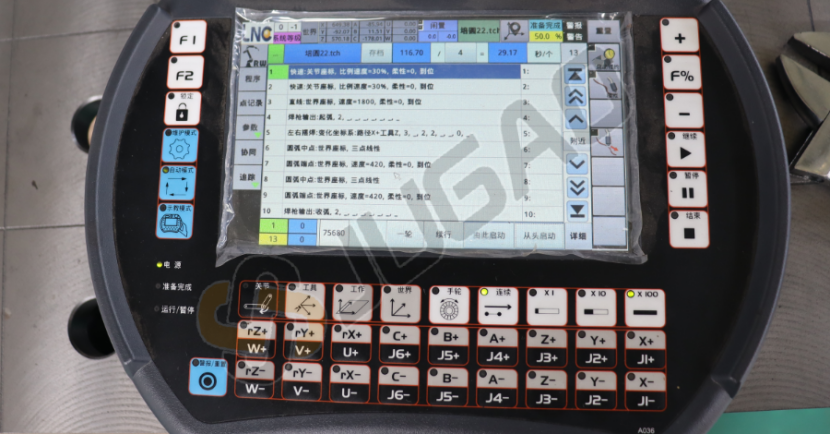
(۶) عموماً برنامهنویسی نباید در یک مرحله انجام شود. این فرآیند نیازمند آزمونها و اصلاحات مداوم در حین جوشکاری رباتیک است؛ از جمله تنظیم پارامترهای جوشکاری و وضعیت مشعل و غیره، تا برنامهای مناسب ایجاد شود.
تحلیل هزینههای عملیاتی و مدیریت
روغنهای آموزشی با عملکرد و اثربخشی مشابه را میتوان با قیمت پایینتر جایگزین کرد. تقویت نگهداری در حین فرآیند جوشکاری، عمر قطعات مصرفی مانند نوکهای جوشکاری و نوکهای تماس را افزایش میدهد. علاوه بر این، نگهداری پیشگیرانه سیستم رباتیک میتواند بهطور مؤثر عمر قطعات را ارتقا دهد.
مدیران، تکنسینها و اپراتورهای بسیار صلاحیتدار برای دستیابی رباتها به حداکثر بازده ضروری هستند. موفقیت عملیات رباتهای جوشکاری یک شرکت عمدتاً به نیروی کار آن وابسته است؛ بنابراین، داشتن نیروی کاری پایدار امری حیاتی است.

