




Millised on laserlõike masinate rakendused täpsetes töötlusprotsessides?
Sisukord
• Kuidas laserlõikepuurid võimaldavad täpset töötlemist
• Laserlõikepuuride põhirakendusscenaariumid täpsetes töötlemisprotsessides
• Mikrokomponentide valmistamine
• Kõrgtäpsuse metallkomponentide töötlemine
• Komplekssete geomeetriliste profiilide töötlemine
• Toote prototüübi valmistamine ja kiire partii tootmine
• Mitte-metallsete osade täpne lõikamine
• Laserlõikamise kasutamise eelised täpsetes töötlemisprotsessides
• Ultrakõrge täpsus ja stabiilne korduvus
• Väike materjalikulu ja vähem jäätmeid
• Tugev ühilduvus erinevate lähtematerjalidega
• Reguleeritav soojusmõjutatud tsoon ja puhas lõikeserv
• Tavaliselt esinevad küsimused
• Miks eelistavad tootjad laserlõikusmasinaid tavapäraste CNC-seadmete asemel täpsustöötlemisel?
• Kas laserlõikusseadmed on võimelised suurte partii täpsustöötlemisülesannete täitmisele?
• Millised tööstusharud saavad täpsustöötlemisel laserlõikamistehnoloogiast kõige rohkem kasu?
• Kokkuvõte
Laserlõike tehnoloogia on muutunud tänapäevastele tootjatele, kes püüavad saavutada ultra täpset töötlemist, kiiret tootmist ja stabiilset toote kvaliteeti täppistöötlemisel, oluliseks ja äärmiselt oluliseks protsessiks. See eristub kui optimaalne lahendus keerukate detailide valmistamiseks, mille puhul kehtivad ranged mõõtmetoleraantsid, ja tagab töötlemise tulemused, mida tavapärased lõike meetodid harva suudavad saavutada. Käesolev artikkel kirjeldab üksikasjalikult laserlõike masinate peamisi rakendusvaldkondi täppistöötlemisel, analüüsib nende eeliseid tootmise kvaliteedi parandamisel ning selgitab, miks sellist varustust on maailmas laialdaselt kasutusel kõrgkvaliteedilises tootmisvaldkonnas.
Kuidas laserlõikepuurid võimaldavad täpset töötlemist
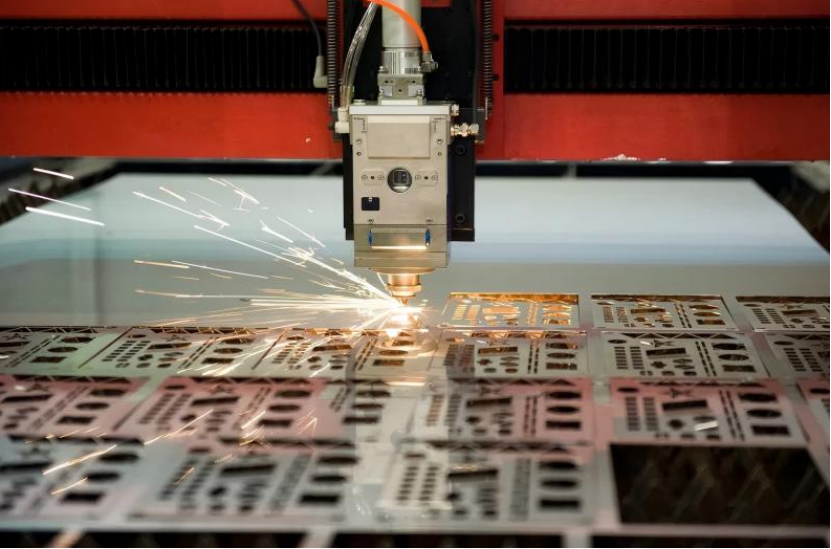
Laserlõike seadmed kasutavad erakordselt kontsentreeritud laserkiirt erinevate materjalide lõikamiseks, gravüürimiseks ja kontuuri moodustamiseks väga suure täpsusega. Erinevalt traditsioonilistest mehaanilistest lõikeviisidest kasutab see puutumiseta töötlemisviisi, mis vähendab tõhusalt materjali deformatsiooni ja tagab ülihead pinnatäpsused. Täpset töötlemist nõuab tavaliselt keerukate struktuursete osade valmistamine metallist, plastikust ja komposiitmaterjalidest. Laserlõikega saab selliseid töötlemisnõudeid täita täielikult ilma tootmise efektiivsuse või valmistoote kvaliteedi kaotamiseta.
Laserlõikepuuride põhirakendusscenaariumid täpsetes töötlemisprotsessides
Mikrokomponentide valmistamine
Laserlõikurid on laialdaselt kasutusel väga väikeste struktuursete osade tootmisel, mille puhul kehtivad ranged tolerantsinõuded, sealhulgas mikrogaasid, õhukesed pakid ja mikroelektroonilised lisad. Need mikrokomponendid on tavaliselt kergesti purunenud ja neid on raske töödelda traditsiooniliste töötlemismeetoditega, samas kui laserlõikega saavutatakse ultra täpsed moodustamistulemused peaaegu ilma õrnade töödega kahju tekitamata.
Kõrgtäpsuse metallkomponentide töötlemine
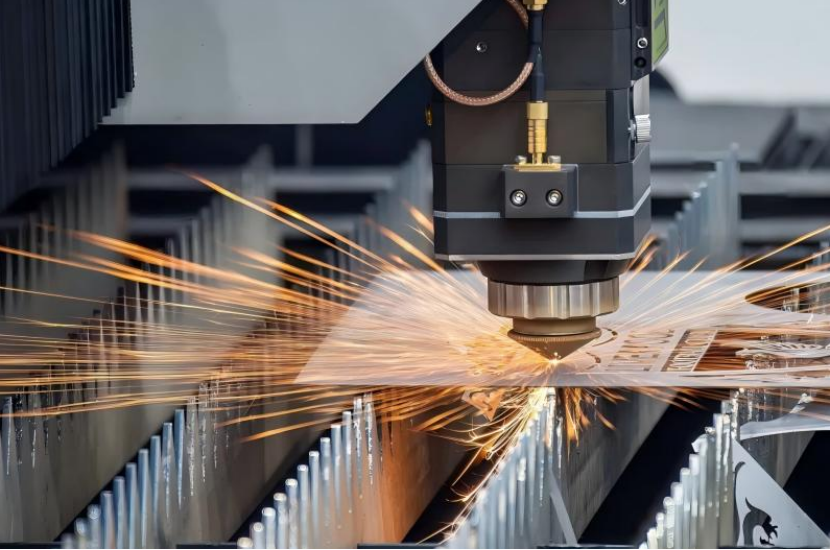
Aerosoona-, autotööstus ja muud peamised tööstusharud on suur nõudlus kõrgstandardsete metalliosade järele. Laserlõikega saab moodustada siledad servad ilma teravate ääriskattega, mis võimaldab töödetailidel vastata rangele tööstuslikule kvaliteedinõuetele ja sageli jätab ära järgnevad pinnatöötlusprotseduurid. See tehnoloogia sobib täiuslikult roostevabast terasest, tiitani sulamist, alumiiniumsulamist ja mitmetest muudest metallmaterjalidest detailide töötlemiseks.
Komplekssete geomeetriliste profiilide töötlemine
Tavalised lõikevahendid on sageli piiratud, kui tegemist on keerukate kontuuriplaanide ja sisemiste tühiplaatidega. Selle asemel saavad laserlõikepuurid lihtsalt realiseerida selliste kohandatud profiilide töötlemise, toetades tootjaid kohandatud osade arendamisel meditsiiniseadmete, elektroonikatööstuse ja masinaehitusvaldkonnas.
Toote prototüübi valmistamine ja kiire partii tootmine
Uute toodete teadusuuringute ja arendustegevuse puhul on tootmise efektiivsus oluline konkurentsieelis. Laserlõikega saavad disainerid kiiresti kohandada digitaalseid skeeme ja lõigata näidised lühikese aja jooksul. See lühendab tõhusalt teadusuuringute ja arendustegevuse tsüklit, kiirendab uute toodete turuletoomist ja säilitab kogu protsessi vältel kõrgelt täpsust.
Mitte-metallsete osade täpne lõikamine
Laserlõike tehnoloogia ei piirdu metallmaterjalidega; seda kasutatakse ka plastmassades, keramiikas, komposiitmaterjalides ja ultrapeentes kilematerjalides. Selle tõttu on see eelistatud valik elektronikatootmise, pakenditöötlemise ja muude tööstusharude jaoks, kus rõhutatakse kergtehiste komponentide projekteerimist.
Laserlõikamise kasutamise eelised täpsetes töötlemisprotsessides
Ultrakõrge täpsus ja stabiilne korduvus
Laserlõikega saavutatakse mikronitaseme töötäpsus ja massitootmisel säilitatakse ühtlane mõõtmete täpsus. See omadus on eriti oluline tööstusharudes, kus väikesed mõõtmete kõrvalekaldumised võivad põhjustada kogu toote ebaõnnestumise.
Väike materjalikulu ja vähem jäätmeid
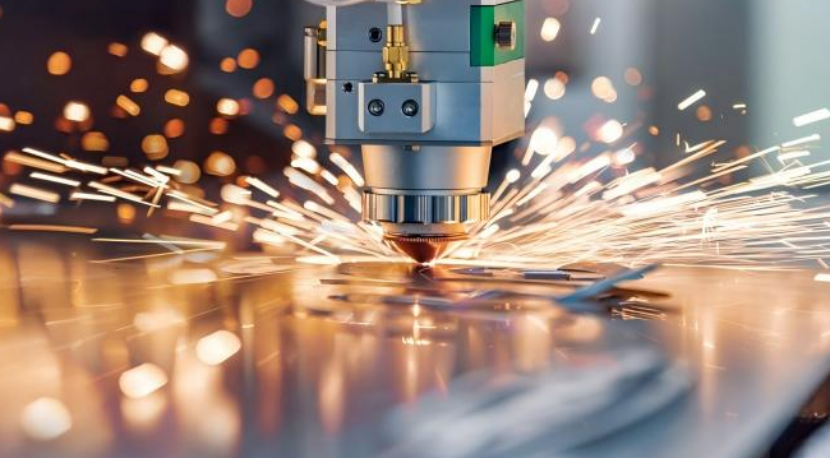
Peenike laserkiir moodustab töö ajal äärmiselt kitsa lõikekaava, mis parandab tooraine kasutamist ja vähendab jääkide kogust. See aitab ettevõtetel vähendada materjalikulusid ja saavutada majanduslikumad tootmisarrangud.
Tugev ühilduvus erinevate lähtematerjalidega
Laserlõikepuurid suudavad töödelda laia spektrit materjale – kõrgkinnise sulammetallidest kuni pehmete ja kergesti purunevate polümeermaterjalideni. Erinevate detailide puhul pole vaja vahetada spetsialiseeritud tööriistu, mis suurendab oluliselt tootmisarrangute paindlikkust.
Reguleeritav soojusmõjutatud tsoon ja puhas lõikeserv
Optimeeritud laserlõikeprotsess piirab soojuskiirguse levikut ümbritsevasse alusmaterjali, vältides tõhusalt töödele iseloomulikke deformatsioone, mikropragusid ja struktuuri tugevuse vähenemist, mida sageli esineb traditsioonilistes lõikeprotsessides.
Tavaliselt esinevad küsimused
Miks eelistavad tootjad laserlõikusmasinaid tavapäraste CNC-seadmete asemel täpsustöötlemisel?
Laserlõikepuurid pakuvad kõrgemat töötlemistäpsust, siledamad lõikepinnad ja kiiremad tootmisetsükli. Need suudavad töödelda keerukaid mustreid ja ultrapeenikesi töödeldavaid osi, mida traditsioonilised mehaanilised töötlemisseadmed ei suuda täita.
Kas laserlõikusseadmed on võimelised suurte partii täpsustöötlemisülesannete täitmisele?
Absoluutselt. Kaasaegsed laserlõike süsteemid on hästi arenenud nii väikese seeria prototüüpide katsetootmise kui ka suuremahulise massitootmise jaoks, säilitades alati stabiilse töötlemiskvaliteedi.
Millised tööstusharud saavad täpsustöötlemisel laserlõikamistehnoloogiast kõige rohkem kasu?
Aerokosmose tootmine, meditsiiniseadmete valmistamine, elektroonikakomponentide töötlemine, autotootmine ja masinaehitus on peamised tööstusharud, mis tugevalt toetuvad laserlõikele kõrgtäpsuste ja keerukate konstruktsiooniosade valmistamisel.
Kokkuvõte
Laserlõikepuurid on pööraselt muutnud täpset töötlemist kasutavate kõrgtäpsusega ja keerukate detailide tootmisviisi. Kas tegemist on mikroskoopiliste mikrodetailide või suurte kõrgtäpsusega metallkomponentidega – see tehnoloogia pakub ületamatut täpsust, tootmiselastuslikkust ja töötlemise efektiivsust. Laserlõike seadmete kasutuselevõtmisega saavad tootjad parandada toote kvaliteeti, lühendada tootmisperioodi ja tugevdada oma konkurentsivõimet valdkondades, kus kehtivad range täpsuse nõuded.
Kui soovite optimeerida oma täpset töötlemisvoolu või otsite professionaalseid ja edasijõudnuid laserlõike lahendusi, võtke julgelt ühendust meie meeskonnaga. Me koostame teile sobivad seadmete valiku skeemid, mis vastavad teie isikupärastele tootmistingimustele.

