





Kuidas säilitada laseri allika tõhusust
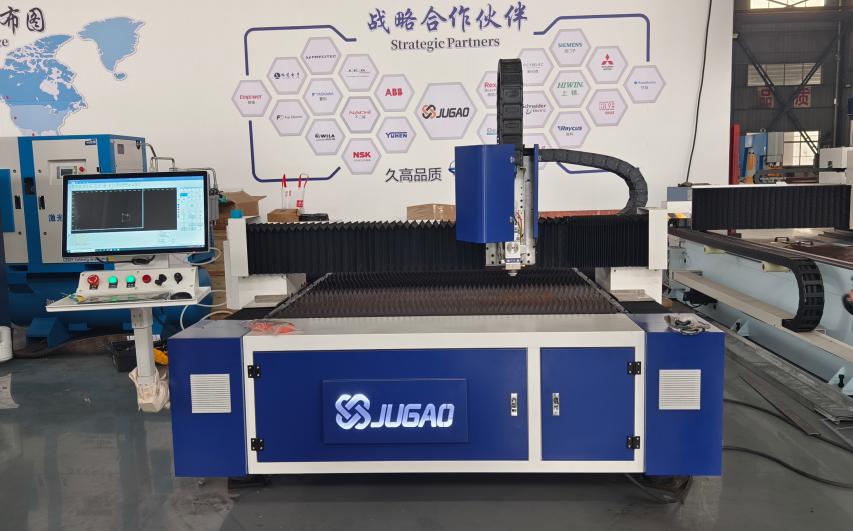
Kuidas säilitada laseri allika tõhusust
Laseri allikas on üks olulisemaid süsteeme laserlõikemasinas. Selle tõhusus mõjutab lõikeskiirust, servade kvaliteeti, energiakasutust ja seadme pikaajalist usaldusväärsust. Kui jahutus, optika, elektritoitus või abigase tingimused hakkavad halvenema, võib allikas anda vähem stabiilset väljundit ja sama lõike tulemuse saavutamiseks võib vaja minna rohkem energiat.
See JUGAO juhend järgib originaalselt kuue sammuga hooldusjärjestust, kuid ülesehitab täielikult sõnastuse ja lõigustruktuuri. Selle eesmärk on aidata operaatoreid ja hooldustiime säilitada väljundi stabiilsust, vähendada vältimisi energiakaotusi ja pikendada oluliste laserikomponentide kasutusiga.
Sisukord
1. Miks laserallika tõhusus on laserlõikes oluline
Mõju lõikekvaliteedile
Energia tarbimine ja kulud
Seadme eluiga
2. Samm-sammult juhend laserallika tõhususe säilitamiseks
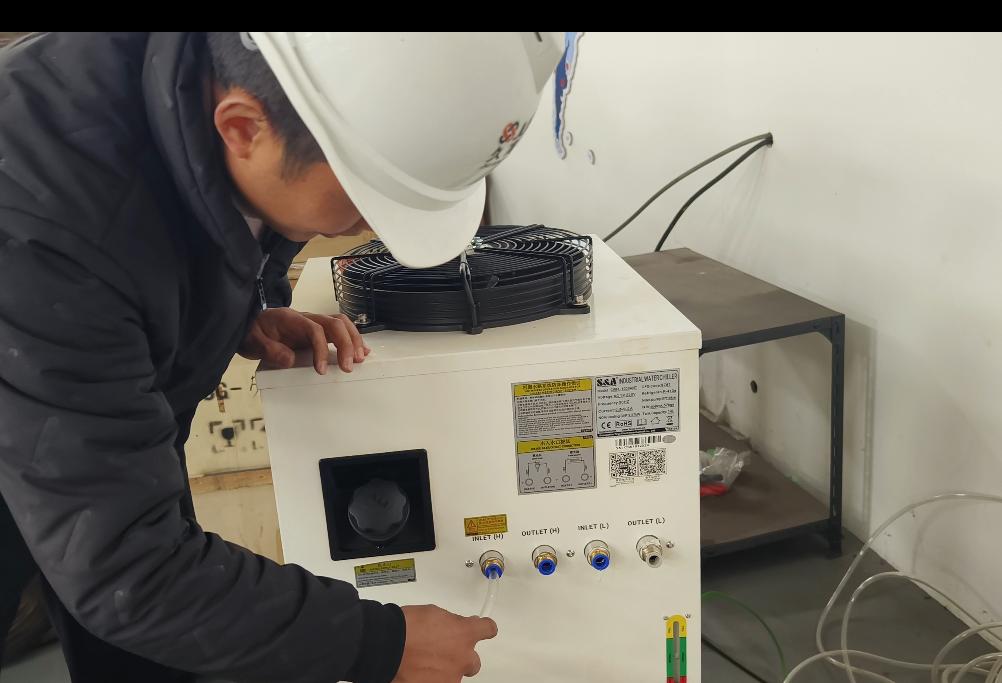
Samm 1: Hoia jahutussüsteem optimaalses seisus
Samm 2: Kontrolli regulaarselt optilisi komponente
Samm 3: Jälgige laser väljundvõimsust
Samm 4: Tagage elektriline stabiilsus
Samm 5: Tehke ennetav hooldus lasermodulitel
Samm 6: Tagage õige õhu- ja gaasivarustus
3. Ühised laserite hooldamise soovitused pikaajaliseks tõhususeks
4. Sageli küsitud küsimused
5. Järeldus
Miks on laserallika tõhusus oluline laserlõikamisel
Laseri allika tõhusus määrab, kui tõhusalt muundub elektriline energia kasutatavaks laseri väljundiks. Hästi hooldatud allikas tagab stabiilse kiirguse ülekanne ja eeldatava lõikejõudluse, samas kui tõhususe langus ilmneb aeglasema töötlemisena, ebakindlatena tulemustena ja kõrgemate ekspluatatsioonikuludega.
Mõju lõikekvaliteedile
Kui allika jõudlus langeb, võib kiirgus muutuda vähem stabiilseks või töödeldavale pinnale jõuva efektiivse võimsuse väheneda. Tüüpilised tagajärjed on kergemini kahjustatud servad, ebapiisav läbitungimine ja suurenev tera moodustumine, eriti paksu materjali lõikamisel või masina protsessipiiride lähedal töötamisel.
Energia tarbimine ja kulud
Ebakõlblikult toimiv laseri allikas võib sama tootmismahtu säilitamiseks tarbida rohkem elektrienergiat. Aeglaselt tõusevad sellega ka ekspluatatsioonikulud ning suureneb soojuskoormus jahutus- ja elektrisüsteemidele.
Seadme eluiga
Stabiilne töötemperatuur, puhtad optilised komponendid ja kontrollitud elektrilised tingimused vähendavad sisemiste laserkomponentidele mõeldud liigset koormust. See aitab kaitsta tundlikke osi, näiteks optilisi elemente, dioode ja lasermoduleid vara degradatsiooni eest.
Samm-sammult juhend laserallika tõhususe säilitamiseks
Samm 1: Hoia jahutussüsteem optimaalses seisus
Alustage jahutusseadmega, sest temperatuuri reguleerimisel on otsene mõju laserstabiilsusele. Veenduge, et jahutusseade töötab soovituslikus temperatuurivahemikus, ringlusse minev vesi on puhas ja ilma nähtavate saastajatega ning filtrid on vahetatud soovitud intervallides. Umistunud filtrid, halb veekvaliteet või liialdatud temperatuur võivad vähendada soojusülekande tõhusust ja põhjustada laserallikale täiendavat soojuskoormust. Kontrollige torusid ja ühendusi lekkimise suhtes ning järgige JUGAO masina konfiguratsiooni jaoks määratud jahutusvedeliku ja veekvaliteedi nõudeid.
Samm 2: Kontrolli regulaarselt optilisi komponente
Põhjustavad tolmu, õlifilmi ja muud saastumised kaitseakende, läätsede või peeglite pinnal osa laserenergia neelamist enne kui see jõuab lõikepiirkonda. See vähendab kasutatavat väljundvõimsust ja võib suurendada kohalist soojenemist optiliste pindade puhul. Kontrollige optilisi komponente regulaarselt, puhastage neid ainult lubatud tööriistadega ja lahustitega ning asendage kaitseaknad või muud optilised komponendid, millel on katte kahjustusi, põletusjälgi, sirgjoonelisi vigu või püsivat saastumist. Ärge puudutage optilisi pindu otse.
Samm 3: Jälgige laser väljundvõimsust
Kasutage masina sisseehitatud diagnostikat või sobivat välist laserivõimsuse mõõturit väljundjõudluse jälgimiseks. Võrdlege praeguseid näitu masina nimiväärtustega või ajalooliste töötingimuste väärtustega, mitte ainult subjektiivsete lõike tulemustega. Äkne või järkjärguline väljundvõimsuse langus võib viidata saastumisele, soojusprobleemidele, mooduli vananemisele või muudele sisemistele tingimustele, mida tuleb uurida.
Samm 4: Tagage elektriline stabiilsus
Stabiilne võimsus sisend on vajalik pidevaks laseri tööks. Pinge kõikumised, halb maandus või elektrilised ülekoormused võivad häirida allika tööd ja vähendada pikaajalist usaldusväärsust. Kui vaja, kasutage sobivaid pinge stabiilsuse tagamise, maandamise ja ülekoormuskaitse meetmeid. Kontrollige võimsusühendusi ja kaitse seadmeid regulaarse hoolduse raames ning veenduge, et elektritööd teevad kvalifitseeritud isikud.
Samm 5: Tehke ennetav hooldus lasermodulitel
Laserimoodulid vananevad loomulikult kasutusaegselt. Ennetav kontroll aitab varakult tuvastada jõudluse languse esimesi märke enne, kui need muutuvad tootmisprobleemiks. Järgige paigaldatud laseriallikale määratud hooldusgraafikut, vaadeldes hoiatusloogu ja tööandmeid, ning tellige professionaalne teenus siis, kui mooduli väljund või sisemised diagnostikateated näitavad ebatavalisi tingimusi.
Samm 6: Tagage õige õhu- ja gaasivarustus
Abi-gaasi tingimused mõjutavad ka lõikeefektiivsust. Veenduge, et surveõhk on puhas ja kuiv, gaasirõhk on õigesti seadistatud ning tarnejuhtmed on saastumisvabad. Halb gaasikvaliteet või ebastabiilne rõhk võib vähendada lõikeefektiivsust ja põhjustada laseril suuremat koormust, et saavutada nõutud tulemus. Regulaarselt kontrollige regulaatoreid, filtrit ja gaasijuhtmete ühendusi, et tagada pidev tarne.
Tavalised laserhoolduse soovitused pikaajalise efektiivsuse tagamiseks
Igapäevane puhastamine ja kontrollimine
Looge päevased või nädalaselt toimumised inspektsioonikorrad vastavalt tootmisintensiivsusele. Kontrollige tolmu kogunemist, lahtiste ühenduste esinemist, jahutussüsteemi ebanormaalseid nähtusi ja süsteemi ebatavalist käitumist. Varajane tuvastamine lihtsustab parandusmeetmete rakendamist ja aitab vältida järkjärgulist efektiivsuse langust.
Keskkonnakontrolli
Hoidke laserlõikepiirkond puhas ja reguleerige liialt suurt tolmu, niiskust ja temperatuuri kõikumisi. Stabiilne töökohakeskkond vähendab saastumist ning toetab jahutus- ja elektrisüsteeme.
Tarkvara ja süsteemi uuendused
Modernsed laserimasinad sõltuvad koordineeritud protsessijuhtimiseks CNC-st ja jälgimisprogrammist. Paigaldage masina konfiguratsioonile ainult heakskiidetud värskendused ning salvestage tööparameetrid enne muudatuste tegemist.
Tavaliselt esinevad küsimused
Kuidas saan kiiresti kontrollida laserallika tõhusust?
Mõõtke laser väljundit sisseehitatud diagnostikasüsteemi või sobiva laserivõimsuse mõõteriista abil ja võrrelge tulemust märgistatud või kindlaks tehtud viireväärtusega. Olulise selgitamata languse korral tuleb põhjust uurida.
Kui sageli tuleb laseroptikat puhastada?
Inspektsiooni sagedus sõltub masina kasutamisest ja töökoha tingimustest. Tootmisetingimustes tuleb kaitseoptikat üldiselt sageli kontrollida ning puhastada ainult siis, kui on tuvastatud saastumine, kasutades heakskiidetud protseduure.
Mis on tõhususe languse levinuimad põhjused?
Levinud põhjused hõlmavad saastunud optikat, ebapiisavat jahutust, ebastabiilset elektritoimet, vananevaid laserimoduleid ja halbu abi-gaasi tingimusi.
Kas ebapiisav jahutus võib vähendada laseri väljundit?
Jah. Kui lähtepunkt töötab määratletud temperatuurivahemikust väljas, võib väljundstabiilsus halveneda ja sisemised komponendid võivad kogeda suuremat soojuskoormust.
Miks tuleb väljundvõimsust ajas jälgida?
Aeglaselt toimuvat degradatsiooni on lihtsam tuvastada ajalooliste võimsuslugemite abil, samuti aitab see hooldustiimidel eristada arenevat lähtepunkti probleemi ühekordsest lõikeparameetrite probleemist.
Kohustuslik väljaandmine
Laserlähte efektiivsuse säilitamiseks ei piisa ühe komponendi kontrollimisest. Külmendumise tõhusus, optiline puhtus, elektriline stabiilsus, lasermoduli seisund ja abi gaasi kvaliteet mõjutavad kõik koos seda, kui kindlalt masin saab kasutatavat laserenergiat tarnida.
Järgides kuut hooldustehet järjest ja ühendades neid igapäevase kontrolliga, keskkonna tingimuste reguleerimisega ning heakskiidetud süsteemiuuendustega, saavad JUGAO kasutajad vähendada ebaolulisest energiakaotusest, säilitada lõike ühtlase kvaliteedi ja toetada pikemat seadme eluiga. Mudelispetsiifiliste hooldusnõuete või tehnilise abi saamiseks võtke ühendust JUGAO tehnilise teeninduse meeskonnaga.

