





JUGAO pres-çəkicinin elektrik nasazlıqlarını necə diaqnostika etmək olar?
Mündəricat
1. JUGAO pres-bremzasının elektrik nasazlıqlarına səbəb olan əsas amillərin müəyyənləşdirilməsi
○ CNC JUGAO pres-bremzalarında enerji təchizatı anomaliyaları
○ Elektrik şkaflarının komponentlərində nasazlıqlar
2. JUGAO pres-bremzasının elektrik nasazlıqları üçün sistemli arıqlama protokolu
○ Addım 1: Əsas enerji mənbəyi və təcili dayandırma dövrəsini yoxlayın
○ Addım 2: Elektrik şkaflarının daxilindəki kabelləşməni yoxlayın
○ Addım 3: CNC idarəetmə qurğusunu və HMI sistemini yoxlayın
3. Arxa ölçü verici və servomotorun elektrik qüsurlarının diaqnostikası
○ Arxa ölçü verici servopulsuz sürücüsündə alarm aktivləşmələri
○ Motorun enerji təchizatı və siqnal kabellərinin nasazlıqları
4. Sensorlar və təhlükəsizlik sistemlərindəki arızaların aradan qaldırılması
○ Sınırlayıcı açarlar və mövqe sensorlarında xətalar
○ İşıq perdələrində və təhlükəsizlik relelərində nasazlıqlar
5. JUGAO pres-bükümlərində gələcəkdə baş verə biləcək elektrik arızalarını qarşısını almaq üçün proaktiv tədbirlər
○ Elektrik şkaflarının qaydalı yoxlanılması
○ Planlaşdırılmış qarşının alınması üçün texniki xidmət rejimləri
6. Tez-Tez Verilən Suallar
7. Nəticə
Elektrik arızaları JUGAO pres-bükülmə maşınlarında gözlənilməz dayanma hallarının ən başlıca səbəbidir. Maşının idarəetmə sistemi xəta siqnalları göstərdikdə və ya ümumiyyətlə işə salına bilmədikdə, bir çox operatorlar ciddi, mürəkkəb bir problem olduğunu düşünür. Bununla belə, sahədə qazanılmış praktiki təcrübəyə əsasən, bu elektrik problemlərinin böyük əksəriyyəti strukturlaşdırılmış, addım-addım arıqlama prosesində dəqiq şəkildə müəyyən edilə bilər və həll edilə bilər. Bu təlimat CNC JUGAO pres-bükülmə maşınlarında elektrik arızalarının diaqnostikasını aparmaq üçün praktik, sahədə sınanmış üsulları izah edir. Güc təchizatı, naqillərin qoşulması, idarəetmə sistemləri və sensor massivləri daxil olmaqla əsas komponentləri sistemli şəkildə yoxlayaraq, arızanın kök səbəbini sürətlə müəyyən edə, maşının sabit iş rejimini bərpa edə və bahalı istehsalat dayanmalarını minimuma endirə bilərsiniz.
JUGAO Pres-Bükülmə Maşınlarının Elektrik Arızalarının Əsas Təkanverici Səbəblərinin Müəyyənləşdirilməsi
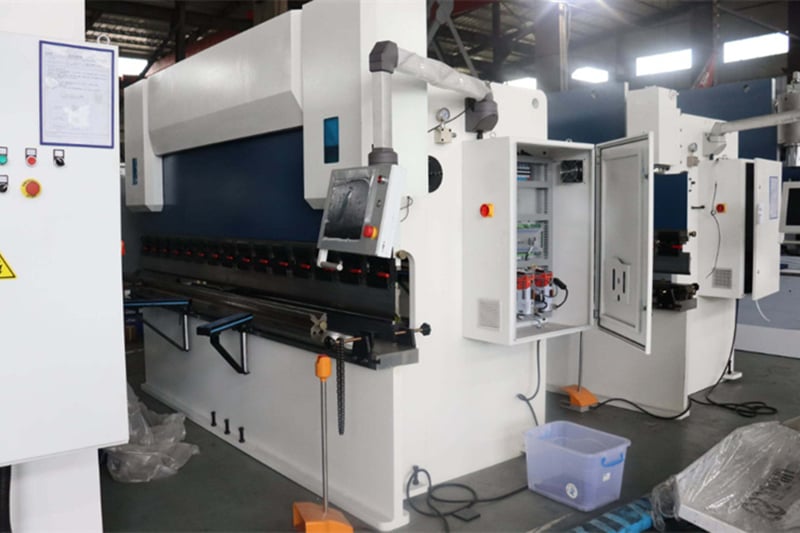
JUGAO pres frenlərində elektrik qəzaları nadir hallarda təsadüfi baş verir; onlar proqnozlaşdırıla bilən, ümumi səbəblərdən qaynaqlanır. Problemlərin aradan qaldırılması işinə başlamazdan əvvəl bu səbəbləri anlamaq prosesi asanlaşdırır və lazım olmayan komponent yoxlamalarını və dəyişdirilməsini qarşısını alır.
CNC JUGAO pres frenlərində elektrik təchizatı anomaliyaları
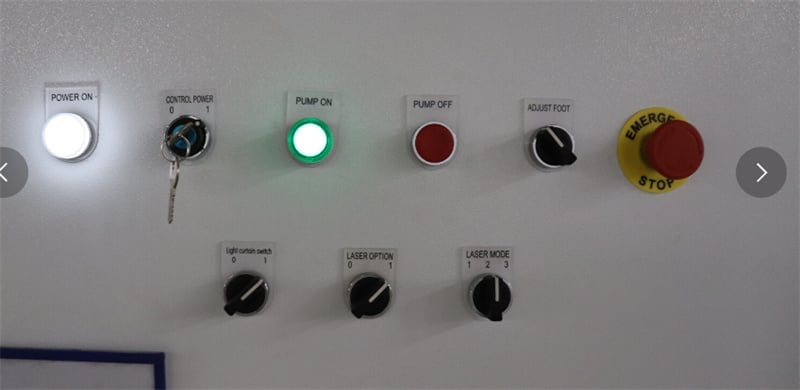
JUGAO pres frenində elektrik qəzası ilə bağlı problemləri həll edərkən ilk yoxlanılacaq komponent həmişə əsas elektrik təchizatıdır. Deyişkən girişi gərginliyi və ya tamamilə enerji itirilməsi maşının tamamını işləməz vəziyyətə salar; bu isə bir çox operatorun fərq etdiyindən xeyli daha tez-tez rast gəlinən bir problemdir.
Elektrik təchizatı problemlərinin əsas xəbərdarlıq əlamətləri aşağıdakılardır:
• CNC idarəetmə qurğusu işə salınmır
• İş zamanı qəfil, planlaşdırılmamış maşın söndürüləməsi
• HMI-də davamlı, təkrarlanan elektrik alarm kodları
Bu problemləri həll etmək üçün əsas elektrik açarının tamamilə qoşulduğunu yoxlayın, giriş gərginliyinin səviyyəsini ölçmək və təsdiqləmək üçün multimetr istifadə edin və təchiz olunan elektrik enerjisinin JUGAO pres-büküm maşınına dəqiq gərginlik spesifikasiyalarına uyğun olduğunu təmin edin.
Elektrik şkaflarının komponentlərində arıza
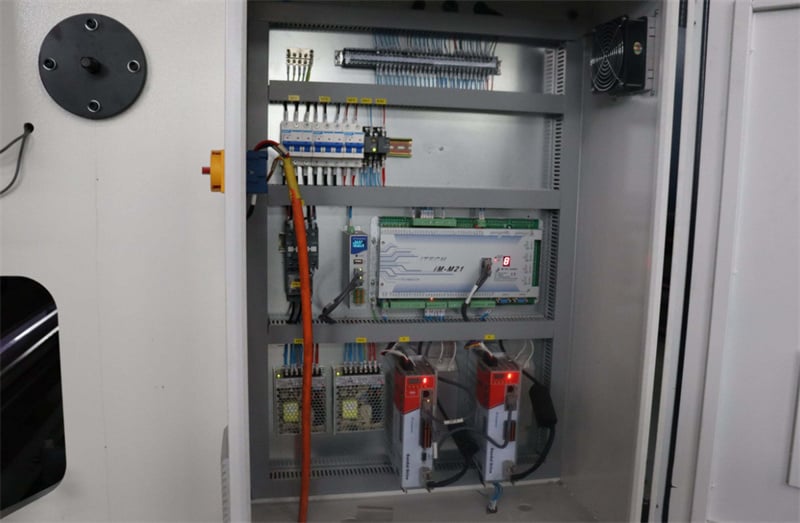
Elektrik şkafları pres-büküm maşınının işləməsi üçün vacib olan əsas komponentləri — kontaktorları, releləri, servoprivodları və gücləndirici modulları yerləşdirir. Zaman keçdikcə maşının davamlı titrəyişi və şkafların daxilindəki istilik bu komponentlərin lövhələrinin qeyri-sabitləşməsinə, aşınmasına və ya zədələnməsinə səbəb ola bilər ki, bu da elektrik arızalarına gətirib çıxarır.
Elektrik şkaflarının komponentlərində arıza olması barədə tipik göstəricilər aşağıdakılardır:
• Şkaftan gələn aydın yanma qoxusu
• Relelərdən gələn abnormal, təkrarlanan klik səsləri
• Servoprivod blokundan daimi xəbərdarlıq kodları
Bu komponentlərin tez-tez yoxlanılması və terminal qoşulmalarının müntəzəm şəkildə sıxılması bu qədər qarşısını almaq mümkün olan arızaların əksəriyyətini qarşısını almağa kömək edə bilər.
JUGAO pres freni elektrik problemləri üçün sistemli arıqlama protokolu
JUGAO pres frenlərində elektrik qüsurlarını diaqnostika edərkən, strukturlaşdırılmış, addım-addım yanaşma ən effektiv strategiyadır. Bu metod təxminləri aradan qaldırır, lazım olmayan komponentlərin dəyişdirilməsini qarşısını alır və ümumi maşın dayanma müddətini əhəmiyyətli dərəcədə azaldır.
Addım 1: Əsas enerji mənbəyini və təcili dayandırma dövrəsini yoxlayın
İstənilən arıqlama prosesinin ilk addımı maşının əsas enerji təchizatını və təcili dayandırma (E-stop) sisteminin yoxlanılmasıdır, çünki aktivləşdirilmiş təhlükəsizlik dövrəsi və ya enerji kəsilməsi bir çox elektrik nasazlığının kök səbəbidir.
Aşağıdakı əsas məlumatları təsdiqləyin:
• Əsas enerji açarı tam "açık" vəziyyətdədir
• Maşın və idarəetmə panelindəki bütün təcili dayandırma düymələri tamamilə buraxılıb
• Təhlükəsizlik releisi layihəyə uyğun işləyir və düzgün siqnallar göndərir
Sayıca qeyri-müəyyən sahə hallarında JUGAO pres-bükücü elektrik problemləri əməliyyatçılar tərəfindən əvvəlcə nəzərə alınmayan aktivləşdirilmiş təhlükəsizlik dövrəsinə bağlı olur.
Addım 2: Elektrik şkaflarının daxilindəki kabelləşməni yoxlayın
Güc və avtomatik dayandırma dövrəsinin işlədiyini təsdiqlədikdən sonra elektrik şkaflarını açın və bütün daxili kabelləşmə və qoşulmaları ətraflı yoxlayın.
Bu ümumi problemləri müəyyən etməyə diqqət yetirin:
• Qeyri-sabit terminal bloku qoşulmaları
• Sıyrılmış, kəsilmiş və ya başqa cür zədələnmiş kabellərin izolyasiyası
• Yanmış və ya korroziyaya uğramış elektrik konnektorları
Pres-bükücünün normal işləməsi zamanı davamlı titrəyiş terminal qoşulmalarını zamanla qeyri-sabit edir ki, bu da maşının mühərrik, CNC idarəetmə sistemi və digər vacib komponentlərinə elektrik siqnallarının ötürülməsini pozur.
Addım 3: CNC idarəetmə sistemi və HMI sistemini yoxlayın
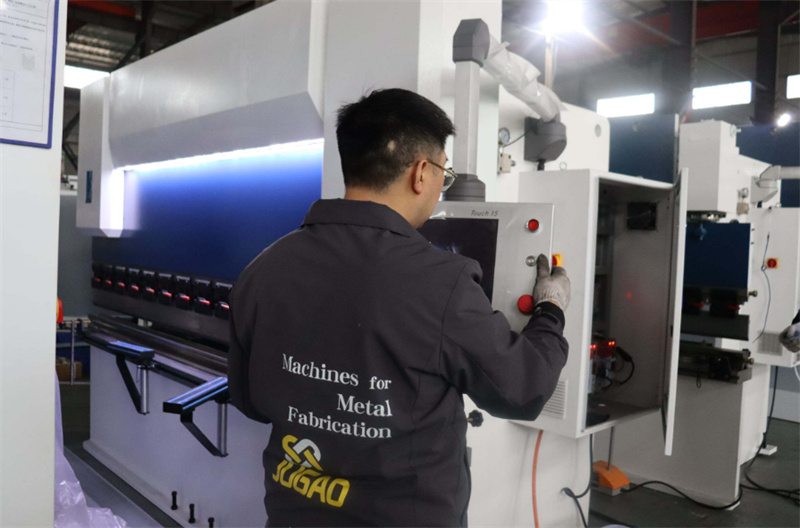
Modern JUGAO pres-kəsmə maşınları bütün iş funksiyaları üçün irəli səviyyəli CNC idarəetmə sistemlərinə — məsələn, Delem, ESA və Cybelec idarəetmə qurğularına — əsaslanır. Əgər HMI ekranında xəbərdarlıq kodu göstərilirsə, bu kodu diqqətlə qeyd edin və hədəfli arıza aşkarlaması üçün maşının rəsmi texniki təlimatında onu uyğunlaşdırın.
Yayğın idarəetmə qurğusu və HMI ilə bağlı problemlər aşağıdakılardır:
• İdarəetmə qurğusu ilə maşın komponentləri arasındakı proqram təminatı kommunikasiya xətaları
• Motor və ya sürücü ilə bağlı problemləri göstərən ox sürücüsü xəbərdarlıq kodları
• Tam sistem başlanğıcı uğursuzluqları və ya donmuş HMI ekranları
Çox hallarda bu yayğın problemləri aradan qaldırmaq üçün sadəcə idarəetmə qurğusunu yenidən başlatmaq və bütün kommunikasiya kabellərinin vizual yoxlanılması (qeyri-sabit qoşulmalar və ya zədələnmələr üçün) kifayət edir.
Arxa ölçülü qurğu və servomotorlarda elektrik arızalarının diaqnostikası
Arxa qaydaya görə ölçmə cihazı JUGAO pres-bremzlerində dəqiq bükülmə dəqiqliyini təmin etmək üçün vacib komponentdir və bu sistem daimi hərəkət və siqnalların ötürülməsi səbəbindən elektrik arızalarına meyllidir. Arxa qaydaya görə ölçmə cihazı və servomotorla bağlı problemlərin həlli üçün sürücü və kabelləşmə komponentlərinin məqsədyönlü yoxlanılması tələb olunur.
Arxa qaydaya görə ölçmə cihazının servosürücüsündə alarm aktivləşdiriciləri
Əgər arxa qaydaya görə ölçmə cihazı hərəkət etməyi dayandırarsa və ya mövqe kalibrasiyasını itirərsə, bütün motor hərəkətlərini və siqnal geri əlaqəsini tənzimləyən servosürücü yoxlanılacaq əsas komponentdir.
Servosürücünün alarm vermesinin potensial səbəbləri aşağıdakılardır:
• Kabellərin zədələnməsi səbəbilə enkoder siqnalının ötürülməsinin kəsilməsi
• Çox yüklənmə nəticəsində servomotorun yük aşımı qoruyucusunun işə düşməsi
• Sürücü ilə CNC idarəetmə qurğusu arasındakı rabitə kabellərinin zədələnməsi
Enkoder və rabitə kabellərinin vizual yoxlanılması (pıtırdanma və ya qeyri-sabit qoşulmaların yoxlanılması) və servosürücünün əl ilə sıfırlanması çox hallarda normal arxa qaydaya görə ölçmə cihazı işini bərpa edir.
Matorun Güc Təchizatı və Siqnal Kabelləri Qüsurları
İkinci vacib addım, arxa qalınlıq ölçüsü servomotoruna gələn güc kabellərinin yoxlanılmasıdır. Qeyri-sabit güc qoşulmaları və ya zədələnmiş kabellərin izolyasiyası həm güc təchizatını, həm də siqnal geri əlaqəsini pozaraq işləmə problemlərinə səbəb ola bilər.
Kabellər qüsurlarının yayılmış əlamətləri aşağıdakılardır:
• Arxa qalınlıq ölçüsü oxunun tamamilə hərəkətsiz qalması
• Bükülmə əməliyyatları zamanı mövqe dəqiqliyində qeyri-sabitlik
• Servo sürücü blokunda davamlı xəbərdarlıq mesajlarının görünməsi
Kabellərin düzgün quraşdırılması (sıxılma və ya aşınmadan qorunmaq üçün) və etibarlı, sıxılmış terminalların qoşulması bu elektrik qüsurlarını qarşısını almaq üçün sadə, lakin effektiv tədbirlərdir.
Sensorlar və Təhlükəsizlik Sistemlərində Arızaların Aradan Qaldırılması
JUGAO pres-brekleri, həm işləmə dəqiqliyini, həm də operatorun təhlükəsizliyini təmin etmək üçün bir sıra sensorlar və təhlükəsizlik cihazlarından ibarət şəbəkədən istifadə edir. Bu komponentlərdə baş verən arızalar dərhal elektrik xəbərdarlıqlarını aktivləşdirir və tez-tez maşının söndürülmsünə və ya işə salınmamasına səbəb olur.
Limit açarlarında və mövqe sensorlarında xətalar
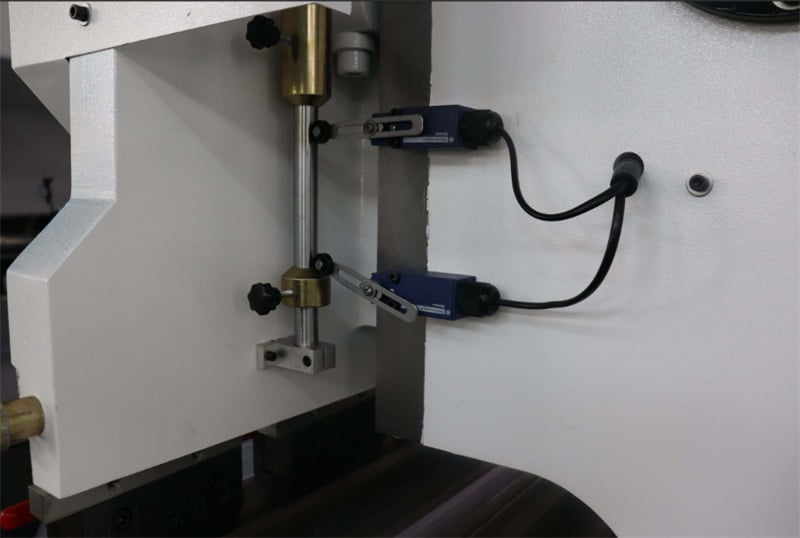
Limit açarları və mövqe sensorları maşının bütün oxlarının əvvəlcədən təyin edilmiş, təhlükəsiz hədlər daxilində işləməsini təmin etmək üçün nəzərdə tutulub. Bu sensorlarda arıza baş verdikdə CNC idarəetmə qurğusu təhlükəsizlik tədbiri kimi oxların hərəkətini bloklayır.
Sensor xətalarını aradan qaldırmaq üçün aşağıdakı yoxlamaları aparın:
• Sensora gedən naqillərin etibarlı və zədələnməmiş birləşmələri
• Sensorun düzgün mexaniki yerləşdirilməsi (heç bir uyğunsuzluq və ya fiziki maneə yoxdur)
• Sensorun işləyən göstərici işıqları (gücün və siqnalın ötürülməsinin təsdiqi)
Zədələnmiş və ya uyğunsuz yerləşdirilmiş sensorların dəyişdirilməsi bu problemlərin əsas həlli üsuludur və bu sadə təmir tez bir zamanda normal maşın işini bərpa edir.
İşıq perdelerində və təhlükəsizlik relelərində nasazlıqlar
İşıq perdeləri və təhlükəsizlik releləri operatorun təhlükəsizliyi üçün birinci müdafiə xəttidir və bu cihazlarda baş verən istənilən nasazlıq maşının təhlükəsizlik bloklaması sistemini aktivləşdirir, beləliklə maşının işə salınmasını qeyri-mümkün edir və ya dərhal dayandırır.
Təhlükəsizlik sistemi arızalarını diaqnostika etmək üçün aşağıdakı komponentləri sınayın:
• İşıq pərdəsi vericisi və qəbuledicisinin düzgün tənzimlənməsi (heç bir maneə olmadan)
• Təhlükəsizlik releisinin işləmə vəziyyəti (siqnal ötürülməsinin təsdiqi)
• Bütün avtomatik dayandırma dövrəsinin elektrik keçiriciliyi
İstehsalı yenidən başlatmadan əvvəl təhlükəsizlik sisteminin tamamilə işləyib-işləmədiyini təmin etmək çox vacibdir, çünki təhlükəsizlik yoxlamalarında qısa yol tutmaq operatorlar və maşın üçün ciddi təhlükələr yaradır.
JUGAO pres-bendlərində gələcəkdə baş verə biləcək elektrik arızalarını qarşısını almaq üçün proaktiv tədbirlər
Praktiki təcrübə göstərir ki, JUGAO pres-bendlərində baş verən elektrik arızalarının əksəriyyəti ardıcıl və proaktiv texniki xidmətlə qarşısı alınabilən arızalardır. Müntəzəm texniki xidmət rejimi qarşısı alınabilən arızaları aradan qaldırır və maşının elektrik komponentlərinin ömrünü uzadır.
Elektrik şkaflarının müntəzəm yoxlamaları
Elektrik şkaflarının aylıq rutin yoxlamaları əsas qabaqlayıcı tədbirdir və onlar potensial problemlərin tam arızalara çevrilməsindən əvvəl onların erkən xəbərdarlıq əlamətlərini müəyyən etməyə yönəldilmişdir.
Əsas yoxlama nöqtələri aşağıdakılardır:
• Qeyri-sabit terminal bloku qoşulmaları (tələb olunduqda sıxın)
• Artıq toz birikməsi (soyunma effektini yaxşılaşdırmaq üçün təmizləyin)
• İstiləşən komponentlər (nasaz soyutma ventilatorlarını və ya tıkanmış havalandırma deliklərini yoxlayın)
Elektrik şkaflarını təmiz saxlamaq və çirkdən azad etmək daxili soyunmanı əhəmiyyətli dərəcədə yaxşılaşdırır, bu da həssas elektrik komponentlərinin istiləşməsini və tez yaşlanmasını qarşısını alır.
Planlaşdırılmış Qabaqlayıcı Texniki Xidmət Rejimləri
Rəsmi, planlaşdırılmış qabaqlayıcı texniki xidmət proqramı yalnız rutin şkaf yoxlamalarını deyil, həmçinin JUGAO pres-bükülmə maşınının bütün elektrik sistemlərini əhatə edir. Bu proqram maşının istehsal həcminə uyğunlaşdırılmalıdır (yüksək istehsal mühitlərində daha tez-tez texniki xidmət tələb olunur).
Əsas qabaqlayıcı texniki xidmət tapşırıqları aşağıdakılardır:
• Bütün elektrik kabellərini yoxlamaq və düzgün qoşulmanın təmin edilməsini yoxlamaq
• Servo sürücüləri və onların soyutma ventilatorlarını aşınma və ya zədələnməyə görə yoxlamaq
• Bütün təhlükəsizlik dövrələrinin, sensorların və işıq perdlərinin funksional sınağı
Bu sadə, tez-tez aparılan texniki xidmət addımları gözlənilməz elektrik arızalarının riskini əhəmiyyətli dərəcədə azaldır və pres-brek-in sabit işləməsini təmin edir.
TEZ TEZ VERİLƏN SORĞULAR
S: JUGAO pres-brek-lərində elektrik arızalarının ən yayılmış səbəbi nədir?
C: Çoxlu problemlər qeyri-sabit elektrik təchizatı girişi, qeyri-sıkı kabellər birləşmələri və ya nasaz sensorlardan irəli gəlir. Bu komponentlərin sistemli və müntəzəm yoxlanılması ən yaxşı profilaktika tədbiridir.
S: JUGAO pres-brek-də elektrik arızasını ən sürətli necə müəyyən etmək olar?
C: Əvvəlcə CNC idarəetmə qurğusunda göstərilən dəqiq alarm kodunu yoxlayın, avtomatik dayandırma dövrəsini təhlükəsizlik bloklaması ilə bağlı sıçrayışlar üçün yoxlayın və əsas elektrik təchizatı gərginliyini və avtomatik açarın vəziyyətini yoxlayın.
S: CNC idarəetmə qurğusu özü JUGAO pres-büküm maşınında elektrik arızalarına səbəb ola bilərmi?
C: Bəli. Proqram təminatı problemi, idarəetmə qurğusu ilə maşın komponentləri arasındakı rabitənin pozulması və ya ox sürücülərinin xəbərdarlıq kodları kimi idarəetmə qurğusu ilə bağlı problemlər hamısı normal maşın işini pozuna bilər.
S: JUGAO pres-büküm maşınının elektrik şkafı nə qədər tez-tez yoxlanılmalıdır?
Bütün pres-büküm maşınları üçün aylıq yoxlama tövsiyə olunur; yüksək istehsalatlı, davamlı iş rejimində işləyən maşınlar üçün isə yoxlamalar həftədə iki dəfə aparılmalıdır.
Nəticə
JUGAO pres frenlərində elektrik nasazlıqlarının aradan qaldırılması, strukturlaşdırılmış, sistemli yanaşma tətbiq edildikdə sadə prosesdir. Əsas elektrik təchizatı, elektrik şkafının naqilləri və komponentləri, CNC idarəetmə qurğusu və HMI sistemi, arxa ölçü verici servoprovod və mühərrik, həmçinin təhlükəsizlik sensorları qrupu sistemli şəkildə yoxlanaraq, texniklər və operatorlar demək olar ki, bütün elektrik nasazlıqlarının səbəbini tez müəyyən edə bilirlər. Bu aradan qaldırma addımlarını mənimsəmək yalnız maşının bərpa müddətini qısaltmır, həm də planlaşdırılmamış istehsal dayanmalarını minimuma endirir; bu da operativ səmərəliliyi qorumaq üçün çox vacibdir.
JUGAO pres-büküm maşınınızın uzun müddətli, problem yaratmayan işləməsini təmin etmək üçün dövri elektrik yoxlamaları və planlaşdırılmış qarşılamaq tədbirləri proqramı müzakirəyə yer verməz. Bu qabaqlayıcı tədbirlər ən çox rast gəlinən, lakin qarşılana bilən elektrik nasazlıqlarını aradan qaldırır və maşının ən vacib elektrik komponentlərinin xidmət müddətini uzadır. JUGAO pres-büküm maşınları üçün əlavə texniki məsləhət, fərdiləşdirilmiş nasazlıq arama dəstəyi və ya ətraflı texniki xidmət resurslarına ehtiyacınız varsa, hər zaman peşəkar texniki komandamıza müraciət edə bilərsiniz.

