





JUGAO lazer kəsim servomotorlarının effektiv baxımını necə aparmaq olar
Mündəricat
• JUGAO Laser Kəsici Motorun Bakımı ilə Əlaqədar Əsas Biliklər
• Dövri Motor Bakımının Qiyməti
• Kəsici İdrak Motorlarının Yayğın Arızaları
• Tam Addım-addım Bakım Əməliyyat Axını
○ Addım 1: Yataqların və Rotor Qurğusunun Yoxlanılması
○ Addım 2: Motor Gövdəsinin və Periferik İş Zonasının Tam Təmizlənməsi
○ Addım 3: Dövrə Qoşulma Hissələrinin Kompleks Yoxlanışı
○ Addım 4: Motorun İş Temperaturunun Real Vaxt Rejimində İzlenməsi
○ Addım 5: Şaft və avadanlığın oxluğunu kalibrasiya edin
○ Addım 6: İşləmə vəziyyətinin operativ sınağı və məlumatların arxivləşdirilməsi
• JUGAO motorunun xidmət müddətini uzatmaq üçün uzunmüddətli qoruma strategiyaları
○ Tozsuz iş mühiti saxlayın
○ JUGAO-un rəsmi istismar təlimatlarına tam uyğunlaşın
○ Sabit dövrlü yoxlama planları tərtib edin
• Tez-tez verilən texniki suallar
○ JUGAO lazer kəsici motorlar üçün standart texniki xidmət dövrü nə qədərdir?
○ Motorun soba qızması xətalarını qarşısını almaq üçün etibarlı yol varmı?
○ Hansı anormal siqnallar motor yataqlarının zədələndiyini göstərir?
• Yekun Xülasə
JUGAO lazer kəsmə servomotorlarının sabit texniki xidməti idarə edilməsi, sabit kəsmə performansının qorunması, ümumi maşının iş müddətinin uzadılması və aniden baş verə biləcək istehsalatın dayandırılmasından qaynaqlanan itkiyə yol verilməməsi üçün əsas zaminədir. JUGAO lazer kəsmə maşınınızı optimal iş səmərəliliyi ilə işlətməyə davam etdirmək istəyirsinizsə, standartlaşdırılmış motor texniki xidməti prosedurlarını mənimsəmək vacibdir. Bu məqalə JUGAO hərəkət verici motorlarının sabit işləməsini təmin etmək üçün tam proses əməliyyat addımlarını, sənayedə qəbul edilmiş texniki xidmət qaydalarını və praktik əməliyyat tövsiyələrini təqdim edir. Siz ya istehsalat sahəsində çalışan texnik ya da peşəkar avadanlıq texniki xidməti mühəndisi olsanız belə, bu sistemli texniki xidmət sxemlərini tətbiq etməklə avadanlığın sabitliyini əhəmiyyətli dərəcədə artırmaq, bahalı bərpa xərclərini azaltmaq və müxtəlif metal lövhələrin emalı zamanı daimi yüksək dəqiqlikli kəsmə effektlərini qorumaq mümkündür.
JUGAO lazer kəsmə motoru texniki xidmətinin əsas bilikləri
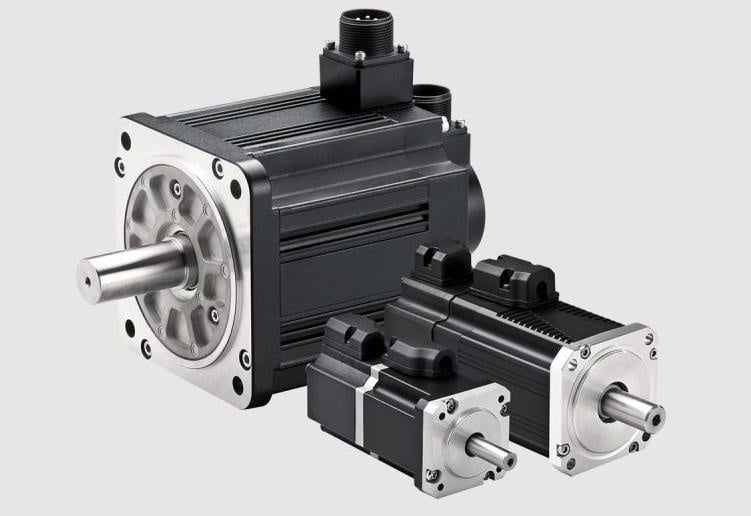
Niyə dövri motor texniki xidməti vacibdir
Müntəzəm texniki xidmət JUGAO lazer kəsici motorlarının istehsalçının orijinal fabrik qiymətləndirməsi daxilində işləməsini təmin edir. Gündəlik texniki xidmət işlərini nəzərə almamaq, davamlı istiləşməyə, kəsmə ölçüsünün dəqiqliyinin azalmasına və hətta bütün lazer avadanlığının qayıtmaz arızasına səbəb olur.
Tez-tez müşahidə olunan tipik motor arızaları
Ən çox rast gəlinən arızaların siyahısı yataqların aşınması, uzun müddət ərzində yüksək temperaturda işləmə, metal tozu və qalıqların səbəb olduğu tıxanma, elektrik qoşulma terminallarının lövhələşməsi və millərin uyğunlaşdırılmamış yerləşdirilməsidir. Bu gizli riskləri müntəzəm nöqtəvi yoxlamalar vasitəsilə vaxtında aşkar etmək, planlaşdırılmamış istehsal dayanmalarını aradan qaldırmağa, sonrakı təmir xərclərini azaltmağa, sabit kəsmə dəqiqliyini saxlamağa və JUGAO lazer kəsici motorlarının istifadə müddətini əhəmiyyətli dərəcədə uzatmağa imkan verir.
Tam addım-addım texniki xidmət əməliyyatları ardıcıllığı
Addım 1: Yataqları və rotor montajını yoxlayın
Dönmə zamanı qeyri-adi cırtıldama və ya çıngıltı səslərini dinləyin və qeyri-adi titrəməni hiss edərək yatağın aşınma dərəcəsini qiymətləndirin. JUGAO-nun rəsmi texniki parametrlərinə uyğun yağlayıcı yağ əlavə edin. Eyni zamanda rotorun səthində çatlar, yüksək temperaturdan qaranıqlaşma və ya struktur deformasiyalarını yoxlayın; bu problemlər motorun iş stabilliyini və kəsmə dəqiqliyini pozacaq.
Addım 2: Motor korpusunun və ətraf iş zonasının tam təmizlənməsi
Metal tozları, dəmir qırıntıları və asılı qalıq kir motorun istilik dissipasiyasını maneə törədir və iş səmərəliliyini azaldır. Daxili komponentlərin kontaminasiyasını və sonradan baş verə biləcək istiləşmə arızalarını qarşısını almaq üçün motor qabığı və ətrafdakı köməkçi hissələri müntəzəm olaraq silin.
Addım 3: Dövrə qoşulma hissələrinin ətraflı yoxlanılması
Bütün siqnal naqlarını, qoşulma konnektorlarını və naqlların terminalını sıxın ki, kontakt səthlərində pas və oksidləşmə yaranmasın. Qeyri-sabit gərginlik çıxışı, kəsim hərəkətində titrəmə, qeyri-normal temperaturun yüksəlməsi və lövhə kəsmə emalı zamanı motorun anidən arızalanması kimi problemlərə səbəb olan qeyri-sıkı və ya zədələnmiş dövrə birləşdiricilərini aradan qaldırın.
Addım 4: Motorun iş rejimindəki temperaturun real vaxtda izlənməsi
Temperatur məlumatlarını motorun daxilindəki temperatur probu və ya portativ infraqırmızı termometrlərdən oxuyaraq avadanlığın təhlükəsiz temperatur həddi daxilində qalmasını təmin edin. Davamlı istiləşmə yüklənmənin artması və ya yataqların yağlanmasının yetərsizliyi kimi gizli problemlərin xəbərdarıdır.
Addım 5: Şaftın və avadanlığın oxluğunu kalibrasiya etmək
JUGAO motoru ilə lazer kəsmə ötürücü strukturu arasındakı dəqiq oxluq uyğunluğu vibrasiyanı və ayrı-ayrı komponentlərin aşınmasını azaldır. Hər bir sabit texniki xidmət dövründə elastik qoşulmaları və iki birləşdirici şaftın oxluğunu yoxlayın.
Addım 6: İşləmə Vəziyyətinin Operativ Sınağı və Məlumatların Arxivləşdirilməsi
Normal kəsici yük şəraitində motoru işə salın və fırlanma sürəti, çıxış burulması və işləmə cərəyanı daxil olmaqla əsas işləmə göstəricilərini qeyd edin. Tam işləmə qeydlərini saxlamaq, ciddi arızalar baş verməzdən əvvəl yavaş performans azalmasını öncədən aşkar etməyə kömək edir.
JUGAO Motorunun Xidmət Müddətini Uzatmaq Üçün Uzunmüddətli Müdafiə Stratejiyalari
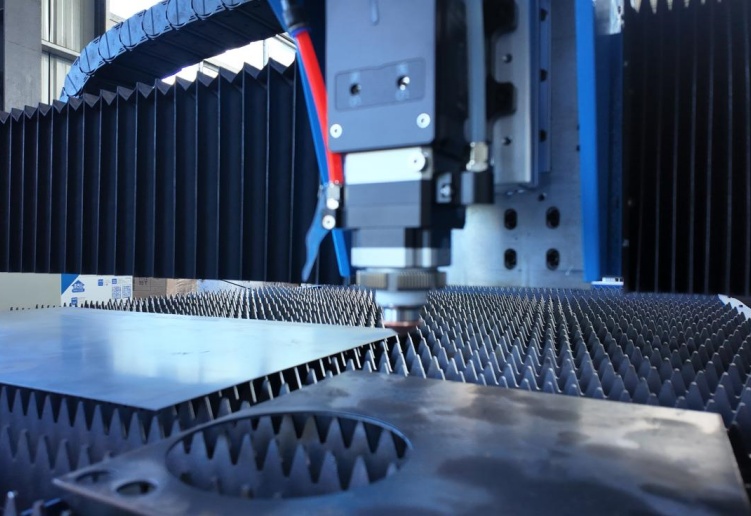
Tozsuz İş Mühiti Saxlayın
Lazer kəsmə iş stansiyasını tez-tez təmizləyərək yığılmış toz, dəmir qırıntıları və qalan kəsmə qalıqlarını aradan qaldırın. Təmiz iş mühiti daxili komponentlərin aşınmasını yavaşlatmağa və motorun istilik yığılmasını effektiv şəkildə qarşısını almağa kömək edir.
JUGAO Rəsmi İşlətmə Spesifikasiyalarına Tam Uyğunluq
JUGAO texniki şöbəsi tərəfindən təsdiq edilmiş texniki xidmət dövrü cədvəlinə, müəyyən edilmiş yağlayıcı növlərinə və standart gərginlik momenti qiymətlərinə qati riayət edin. Köməkçi materialları əvəz etməyin və boltların gərginliyini ixtiyari şəkildə tənzimləməyin.
Müəyyən Dövrü Yoxlamalar üçün Qəbul Edilmiş Planlar Tərtib Edin
Düzenli vizual yoxlama, dərin təmizlik və vaxtında yağlama əhatə edən tam qarşısını almaq üçün texniki xidmət sistemi yaradın. Kiçik nasazlıqların erkən müəyyənləşdirilməsi istehsalat zavodunun xəttində gözlənilməz dayanmaları tamamilə qarşısını ala bilər.
Tez-tez verilən texniki suallar
JUGAO lazer kəsici motorlarının standart texniki xidmət dövrü nədir?
Tam yoxlama və dərin təmizlik hər 250–500 iş saatında aparılmalıdır və ya JUGAO-nun məhsul əməliyyat təlimatında göstərilən xüsusi dövr tələblərinə uyğun olaraq yerinə yetirilməlidir. Şaftın yağlanması və elektrik dövrəsinin yoxlanılması da rəsmi tövsiyə olunan vaxt intervalına əsasən həyata keçirilməlidir.
Motorun soba temperaturuna çatması nasazlıqlarını qarşısını almaq üçün etibarlı yol varmı?
Əlbəttə. İstilik yayma kanallarının maneəsiz olması, tez-tez tozun silinməsi, dəqiq koaksial sazlama və məqsədəuyğun kəsici yük idarəsi — bu dörd əsas tədbir JUGAO motorunun soba temperaturuna çatması nasazlıqlarını qarşısını almaq və xidmət müddətini uzatmaq üçün lazımdır.
Motorun şaftının nasaz olduğu barədə hansı anormal siqnallar göstərir?
Bərklik qurğusunun köhnəlməsi və ya zədələnməsinin üç tipik əlaməti: qəribə fırlanma səsi, kəsmə zamanı aşkar titrəmə və motor korpusunun davamlı istiləşməsi. İkinci dərəcəli zərərlərin digər motor hissələrinə yetirilməsini qarşısını almaq üçün dərhal sökülmə yolu ilə yoxlama aparın və əlavə yağlama edin.
Yekun Xülasə
JUGAO lazer kəsmə motorlarının standartlaşdırılmış, tam dövr baxımı avadanlığın sabit işləməsi, uzunmüddətli kəsmə dəqiqliyi və davamlı istehsalat səmərəliliyi üçün əsasdır. Dövri komponent yoxlamalarının aparılması, ətraflı təmizlik, vaxtında yağlama, oxial kalibrasiya və davamlı işləmə məlumatlarının izlənilməsi ilə zavodlar planlaşdırılmamış dayanma müddətlərini minimuma endirə və bütün emal edilən detallarda sabit yüksək keyfiyyətli kəsmə nəticələri əldə edə bilərlər. Sizə xüsusi hazırlanmış baxım təlimatı və ya peşəkar satışdan sonrakı texniki dəstək lazımdırsa, JUGAO-nun texniki xidmət komandası ilə əlaqə saxlamaqdan çəkinməyin — biz sizin lazer kəsmə avadanlığınızın həmişə təhlükəsiz, sabit və səmərəli şəkildə işləməsini təmin etmək üçün tammiqyaslı dəstək təqdim edirik.

