





İstifadə olunmuş qayçıma maşını almaqdan əvvəl aparılmalı olan vacib yoxlamalar
Mündəricat
• İstifadə olunmuş kəsici maşının ümumi vəziyyətinin yoxlanılması
○ Konstruktiv zədələrin müəyyən edilməsi
○ Artıq aşınmanın əlamətlərinin aşkar edilməsi
• İstifadə olunmuş kəsici maşının iş performansının sınağı
○ Maşının yüklənmə sınağı
○ Hidravlik və elektrik sistemlərinin yoxlanılması
• Texniki xidmət qeydlərinin və avadanlığın tarixçəsinin nəzərdən keçirilməsi
○ Keçmiş istifadə sənədlərinin təhlili
○ Satışın Səbəbini Anlamaq
• İstehsalçının İtkisini və Dəstəyini Qiymətləndirmək
○ Brendin Etibarlılığı və Ehtiyat Hissələrinin Əldə Edilməsi
○ Satışdan Sonrakı Xidmətin və Texniki Dəstəyin Çatışması
• TEZ TEZ VERİLƏN SORĞULAR
○ İstifadə edilmiş kəsici maşının kəsmə dəqiqliyini necə sınayım?
○ İstifadə edilmiş kəsici maşınlarda hidravlik sistem problemlərinin xəbərdarlıq əlamətləri nələrdir?
○ İstifadə edilmiş kəsici maşın almaqdan dərhal sonra bıçaqları dəyişməliyəm?
• Nəticə
İstifadə edilmiş kəsici maşın almağı düşünürsünüzsə, ehtimal ki, yeni avadanlığın böyük qiymətindən qaçmaq üçün etibarlı istehsal performansı əldə etmək istəyirsiniz. Lakin necə etmək olar ki, sağlam investisiya qərarı verəsiniz və ciddi gizli problemləri olan avadanlıqdan uzaq durasınız? Bu ətraflı təlimat sizə alışınızı yekunlaşdırmaqdan əvvəl yerinə yetirməli olduğunuz bütün vacib yoxlama addımlarını izah edir. Bu əsas məqamları mənimsədikdən sonra satınalma riskinizi əhəmiyyətli dərəcədə azalda bilər və istifadə edilmiş avadanlığınızın investisiyasının dəyərini maksimum səviyyəyə çatdıra bilərsiniz.
İstifadə olunmuş kəsici maşının ümumi vəziyyətinin yoxlanılması 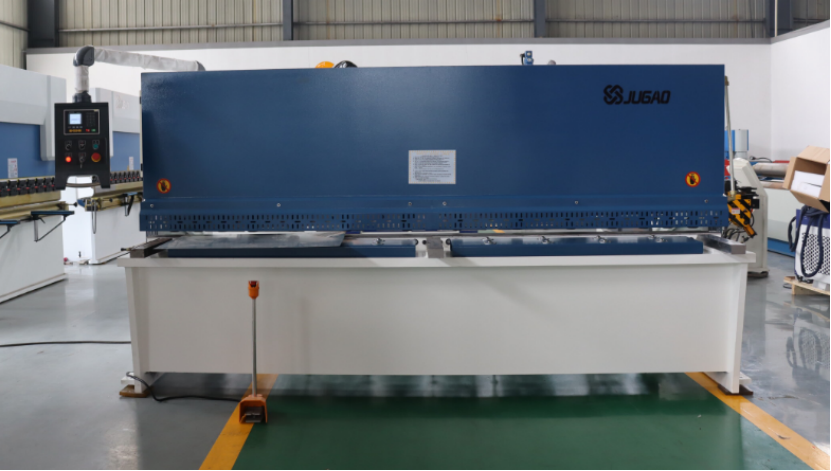
Konstruktiv zədələrin müəyyən edilməsi
Hər hansı bir alış-qəbul qərarı qəbul etməzdən əvvəl, kəsici maşının tam strukturu üzrə ətraflı və detallı yoxlama aparın. Avadanlığı görünən çatlar, korroziya və ya qaynaq təmir izləri üçün diqqətlə yoxlayın. Hər hansı bir struktur zədəsi maşının iş dəqiqliyini və təhlükəsizliyini birbaşa təsir edəcək və ciddi istehsal qəzalarına səbəb ola bilər. Çərçivə, bıçaq tutucu və kəsici qiriş kimi əsas yükdaşıyıcı komponentlərə xüsusi diqqət yetirin. Yalnız strukturca sağlam avadanlıq uzunmüddətli sabit və dəqiq işləməni təmin edə bilər.
Artıq aşınmanın əlamətlərinin aşkar edilməsi
Kəsici maşınlar gündəlik istismar zamanı yüksək intensivlikli kəsici qüvvələrə və davamlı mexaniki gərginliyə məruz qalır, xüsusilə də işgüzar sənaye zavodlarında istifadə olunan avadanlıqlarda aşınma problemləri daha çox müşahidə olunur. Kəsici bıçaqların, istiqamətləndirici rayların, hidravlik silindrlərin və bütün hərəkət edən komponentlərin vəziyyətini diqqətlə yoxlayın. İşlək bıçaqların kəsmə kənarları iti və düz olmalı, böyük çiplər və ya çuxurlar olmamalıdır. Əgər əsas komponentlərdə artıq aşınma müşahidə olunarsa, bu, adətən avadanlığın düzgün texniki xidmət almadığını və ya tezliklə bahalı detalların əvəzlənməsinin tələb olunduğunu göstərir.
İstifadə olunmuş kəsici maşının iş performansının sınağı 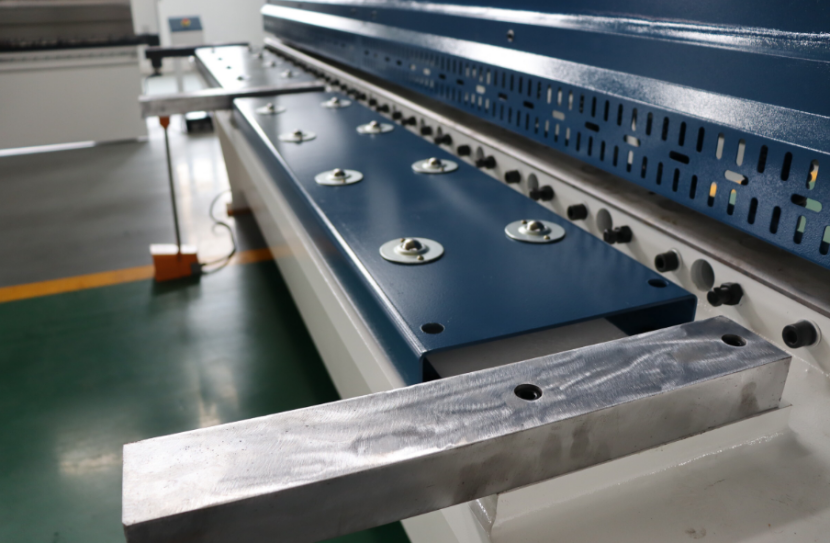
Maşının yüklənmə sınağı
Avadanlığın real iş şəraitində işləməsini müşahidə etmək alışdan əvvəl mütləq tələb olunan addımdır. Həmişə satıcıdan maşının tipik yük şəraitində necə işlədiyini müşahidə edə biləcəyiniz canlı təqdimat tələb edin. Maşının metal vərəqlərdə bərabər, təmiz kəsiklər yaratdığını və işləmə zamanı qeyri-adi titrəmələr və ya artıq səs-küyün olmadığını yoxlayın. Səlis və sabit işləmə maşının yaxşı saxlanıldığını göstərən güclü bir göstəricidir.
Hidravlik və elektrik sistemlərinin yoxlanılması
Hidravlik və elektrik sistemləri kəsici maşının iş səmərəliliyini və kəsilmə dəqiqliyini müəyyən edən əsas komponentlərdir. Hidravlik boruları, klapanları, nasosları və yağ rezervuarlarını sızıntı və ya zədələnmələr üçün diqqətlə yoxlayın. Eyni zamanda elektrik idarəetmə sisteminin, idarəetmə düymələrinin, limit açarlarının və avtomatik fənlər cihazlarının funksionallığını bir-bir yoxlayın. Bu iki sistemdə baş verən nasazlıqların arxasında duran təmir xərcləri yüksək olur və uzun müddətli istehsal dayanması yaradır; buna görə də bu yoxlama mərhələsi heç vaxt nəzərdən qaçırmamalıdır.
Texniki xidmət qeydlərinin və avadanlığın tarixçəsinin nəzərdən keçirilməsi
Keçmiş istifadə sənədlərinin təhlili
Həmişə tam avadanlıq texniki xidmət sənədlərini əvvəlki sahibdən və ya dealer-dən tələb edin. Dövrü peşəkar texniki xidmət alan qırxma maşınları adətən daha az gizli problemə malik olur və xidmət müddəti daha uzundur. Tarixi qeyri-müəyyən və ya ümumiyyətlə yazılı texniki xidmət sənədləri olmayan avadanlıqla işləyərkən son dərəcə diqqətli olun. Şəffaf və tam texniki xidmət sənədləri yaxşı avadanlıq vəziyyətinin güclü sübutudur.
Satışın Səbəbini Anlamaq 
Satıcının qırxma maşınını satmağının həqiqi səbəbini aydınlaşdırmaq son dərəcə vacibdir. Əgər satıcı avadanlığını yeniləyir və ya biznes əməliyyatlarını düzəldir, risk ümumiyyətlə aşağıdır. Bununla belə, əgər satıcı maşını tezliklə satmaq istəyirsə və satış səbəbini açıq şəkildə izah etmirsə, o, bəlkə də qeyri-bərpa oluna bilən problemlərə malik nasaz avadanlığıdan qurtulmağa çalışır. Birbaşa və dürüst suallar tez-tez potensial gizli problemləri aşkar edir.
İstehsalçının İtkisini və Dəstəyini Qiymətləndirmək
Brendin Etibarlılığı və Ehtiyat Hissələrinin Əldə Edilməsi
İstifadə olunmuş qırxma maşını alarkən, yaxşı bazar reputasiyasına malik və etibarlı məhsul keyfiyyətinə sahib olan tanınmış brendi seçmək çox vacibdir. Etibarlı istehsalçılar adətən daha əhatəli texniki sənədlər, daha zəngin ehtiyat hissələri təchizatı və daha peşəkar təmir xidmətləri təqdim edirlər. Zəhmət olmasa, lazım olan kəsici bıçaqlar və digər aşınan hissələri rahatlıqla almağınızın mümkünlüyünü əvvəlcədən təsdiqləyin. Ehtiyat hissələrinin kifayət qədər təchizatının olmaması yüksək dəyərli istehsal dayanması və təmir çətinliklərinə səbəb olacaq.
Satışdan Sonrakı Xidmətin və Texniki Dəstəyin Çatışması
Hətta istifadə olunmuş avadanlıq da orijinal istehsalçının xidmət müddətini hələ də örtə bilər və ya etibarlı üçüncü tərəf texniki dəstəyi ala bilər. Zəhmət olmasa, orijinal istehsalçı və ya yerli sertifikatlı xidmət təminatçıları bu model üçün vaxtında satışdan sonrakı xidmət və texniki dəstək verə biləcəyini əvvəlcədən təsdiqləyin. Etibarlı satışdan sonrakı dəstək avadanlığın istifadəsi zamanı narahatlığınızı əhəmiyyətli dərəcədə azaldaraq, istehsal əməliyyatlarını daha səmərəli və davamlı edir.
TEZ TEZ VERİLƏN SORĞULAR
İstifadə edilmiş kəsici maşının kəsmə dəqiqliyini necə sınayım?
Kəsim dəqiqliyini sınamaq üçün müxtəlif qalınlıqdakı metal lövhələrlə sınaq kəsmləri aparın. Kəsiklərin ölçüsünün dəqiqliyini və düzgünlüyünü ölçmək üçün rəqəmsal ölçmə alətlərindən və ya xətkeşlərdən istifadə edin və maşının dəqiq və düz kəsik nəticələri əldə etməyə davamlı şəkildə qabiliyyətini təsdiqləyin. Dəqiqlik sınaması, avadanlığın sizin istehsal tələblərinizi ödəməsini təmin etmək üçün vacib addımdır.
İstifadə edilmiş kəsici maşınlarda hidravlik sistem problemlərinin xəbərdarlıq əlamətləri nələrdir?
Hidravlik sistemlə bağlı problemlərin yayılmış xəbərdarlıq əlamətləri arasında yağ sızıntısı, iş zamanı qeyri-adi səslər, bıçağın qeyri-sabit hərəkəti, yavaş kəsim sürəti və ya kifayət qədər kəsim qüvvəsi çatışmaması daxildir. Bu əlamətləri sınama zamanı müşahidə etsəniz, daha ətraflı yoxlama aparılmalıdır və ya alternativ avadanlıq haqqında düşünməlisiniz.
İstifadə edilmiş kəsici maşın almaqdan dərhal sonra bıçaqları dəyişməliyəm?
Bu, bıçaqların faktiki vəziyyətindən asılıdır. Bıçaq səthlərini diqqətlə yoxlayın. Əgər əhəmiyyətli aşınma, çatlar və ya itiliyin itirilməsi müşahidə olunarsa, dərhal bıçaqların dəyişdirilməsi tövsiyə olunur. İtici, yüksək keyfiyyətli bıçaqlar kəsim keyfiyyətini və avadanlığın iş qabiliyyətini təmin etməyin əsasını təşkil edir.
Nəticə
İstifadə olunmuş qayçı maşını almaq, satın alma əvvəlində ətraflı və diqqətli yoxlamalar və qiymətləndirmələr aparmaqla çox yaxşı investisiya qərarı ola bilər. Avadanlığın struktur bütövlüyünü sərt şəkildə yoxlayaraq, işləmə performansını sınayaraq, texniki xidmət tarixçəsini təsdiqləyərək və istehsalçının satışdan sonrakı dəstək imkanlarını qiymətləndirərək, siz uzun müddət ərzində etibarlı xidmət göstərəcək yüksək keyfiyyətli avadanlığı əminliklə seçə bilərsiniz. Əgər sizin başqa suallarınız varsa və ya yüksək keyfiyyətli istifadə olunmuş qayçı maşınları tapmaqda kömək lazımdırsa, lütfən, hər zaman peşəkar JUGAO komandamıza müraciət edin — biz həmişə sizə peşəkar texniki dəstək və alım-məsləhət xidməti təqdim etməyə hazırıq!

