





Hoe beïnvloed agtermaatontwerp skuifakkuraatheid?
Tabel van inhoud
• Die Betekenis van Agtermaatontwerp vir Snytoerusting
○ Verbetering van die Presisie van Materiaalplasing
○ Waarborging van Herhaalbaarheid en Bedryfsdoeltreffendheid
• Kerneienskappe van ’n Hoëprestasie Agtermaat
○ Robuuste en Stabiele Strukturele Bou
○ Akurate en Betroubare Posisioneringstelsel
○ Gerieflike Instelling en Kalibrasie
• Stappe om Agtermaatakkuraatheid te Maksimeer
○ Stap 1: Rutieninspeksie en onderhoud
○ Stap 2: Gestandaardiseerde kalibrasieprosedures
○ Stap 3: Kies van toepaslike agtermaatvingers
• Herstel van tipiese agtermaatprobleme
○ Oplossing van onreëlmatige snylengtes
○ Regstelling van agtermaatmiselyning
• VEV: Gewilde vrae oor agtermaatontwerp en presisie
• Gevolgtrekking
Vir diegene wat 'n skuifmasjien bedryf, weet u dat die agtermaat 'n kernkomponent is wat direk die snypresisie en stabiele uitset bepaal. Om te verstaan hoe verskillende agtermaatkonstruksies die skuifakkuraatheid beïnvloed, help u om die regte toerusting te kies en werkswinkelprestasie tot 'n maksimum te laat styg. Hierdie artikel verduidelik die verband tussen agtermaatontwerp en skuifpresisie, bied praktiese metodes om akkuraatheid te verbeter, en verskaf fouteopsporingriglyne om konsekwente, hoë gehalte skuifwerk te handhaaf.
Die Betekenis van Agtermaatontwerp vir Snytoerusting
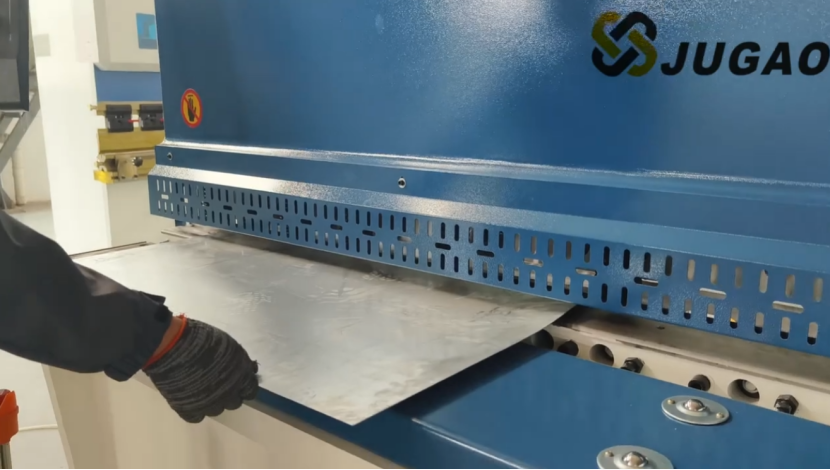
Verbetering van die Presisie van Materiaalplasing
ʼN Professioneel ontwerpte agtermaat verskaf presiese materiaalplasing, wat fundamenteel is vir akkurate en eenvormige snyding. Dit vas en plaas metaalplate stewig op ʼn vasgestelde afstand van die snyblad, ʼn faktor wat direk die snyakkuraatheid bepaal. ʼn Swaklik gestruktureerde agtermaat lei tot onstabiele materiaaluitlyning en gebrekkige snyresultate.
Waarborging van Herhaalbaarheid en Bedryfsdoeltreffendheid
ʼN Hoë gehalte-aggtermaat tree ook uit in die lewering van herhaalbare akkuraatheid. Vandag se CNC-aggtermaatstelsels, veral dié met outomatiese posisioneringsfunksies, maak konsekwente akkurate snydings in partyproduksie moontlik en verhoog sodoende produktiwiteit aansienlik terwyl materiaalverspilling verminder word.
Kerneienskappe van ’n Hoëprestasie Agtermaat
Robuuste en Stabiele Strukturele Bou
Stewigheid is die belangrikste eienskap van ʼn betroubare agtermaat. ʼn Soliede, stabiele agtermaat elimineer vibrasie, buiging en skuif tydens bedryf. Met ʼn stewige struktuur bly die snyproses byna sonder afwyking en behou dit bestendige hoë akkuraatheid.
Akurate en Betroubare Posisioneringstelsel
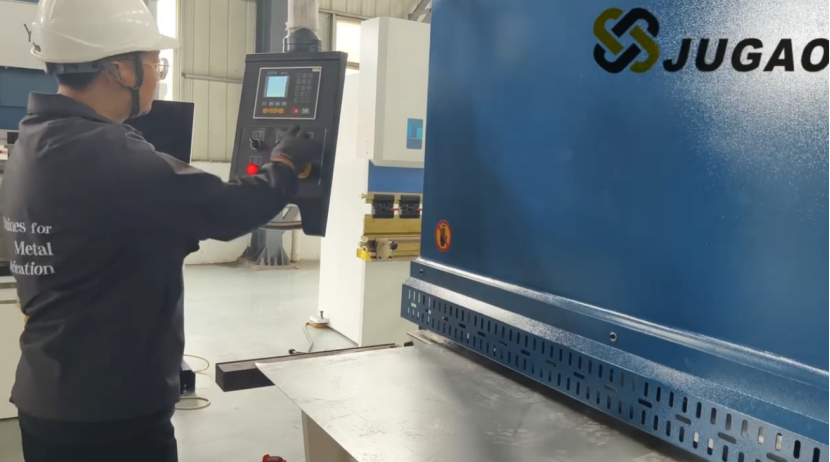
Om snyresultate te optimaliseer, moet die snymasjien toegerus wees met 'n hoë-presisie-posisioneringstelsel. Kontemporêre snymasjiene gebruik dikwels hoogwaardige servo-motors, lynrigters en presisie-kogel-skroewe vir agtermaat-beweging. Hierdie hoogste-kwaliteit komponente verseker akkurate posisionering en konsekwente herhaalbaarheid, wat uitstekende snykwaliteit lewer.
Gerieflike Instelling en Kalibrasie
‘n Doeltreffende agtermaat laat eenvoudige aanpassing en kalibrasie toe. Gereelde kalibrasie handhaaf langtermyn-presisie en laat bediener toe om die toestel vinnig te herstel wanneer dit nodig is. Masjiene met gebruikersvriendelike beheerders en intuïtiewe koppelvlakke verbeter beide bedryfsakkuraatheid en gebruiksgemak.
Stappe om Agtermaatakkuraatheid te Maksimeer
Stap 1: Rutieninspeksie en onderhoud
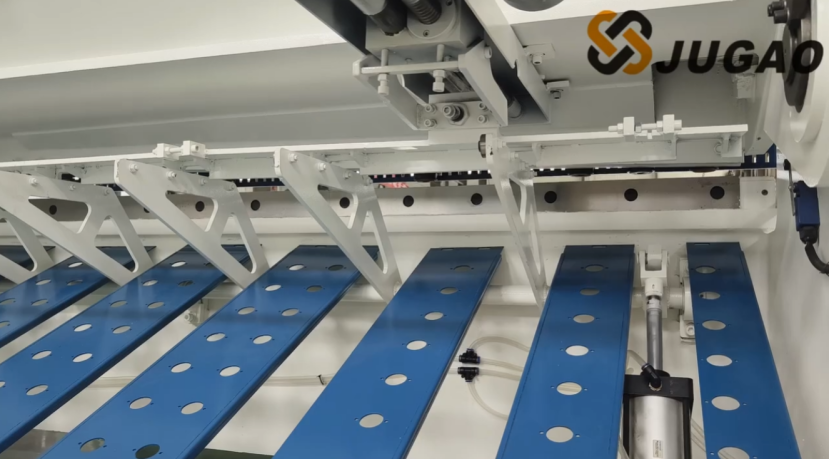
Gereelde inspeksies van die agtermaat-meganisme is noodsaaklik om presisie te behou. Ondersoek die toestand van meganiese dele, smeer bewegende komponente en verifieer die uitlyning teen vasgestelde intervals. Rutynonderhoud verminder versletting, verbeter stabiliteit en verleng die akkurate dienslewe van die masjien.
Stap 2: Gestandaardiseerde kalibrasieprosedures
Kalibrasie is onontbeerlik vir stabiele prestasie. Volg die vervaardiger se riglyne om periodieke kalibrasie uit te voer. Dit behels gewoonlik digitale meetgereedskap of ingeboude kalibreringsfunksies om die agtermaat op die korrekte afstand vanaf die lem te stel, sodat snypresisie op ’n optimale vlak gehandhaaf word.
Stap 3: Kies van toepaslike agtermaatvingers
Die struktuur en tipe agtermaatvingers beïnvloed ook presisie baie sterk. Kies vingers wat by jou materiaalsoort en snyvereistes pas. Goed-ontwerpte vingers hou plate stewig vas sonder om te gly of te beweeg, wat stabiele en akkurate snywerk verseker.
Herstel van tipiese agtermaatprobleme
Oplossing van onreëlmatige snylengtes
Wanneer snylengtes inkonsekwent is, moet jy eers die agtermaat se uitlyning en stabiliteit nakien. Stel die posisioneringstelsel by of kalibreer dit weer, en bevestig dat die vingers die plate stewig vasvat. Moet ook meganiese mislukkings of verslete dele wat instabiliteit veroorsaak, uitsluit.
Regstelling van agtermaatmiselyning
Agtermaat-onreguitheid ondermyn die snyakkuraatheid ernstig. Kontroleer gereeld dat die agtermaat parallel aan die lem bly oor sy volle bewegingsreeks. Stel dit weer reg en kalibreer dit weer volgens die vervaardiger se instruksies om die snyakkuraatheid vinnig te herstel.
VEV: Gewilde vrae oor agtermaatontwerp en presisie
V: Hoekom verminder my skuifakkuraatheid met verloop van tyd?
A: Akkuraatheidsverlies word gewoonlik veroorsaak deur versletende komponente, onvoldoende onderhoud of agtermaat-onreguitheid. Gereelde inspeksies en tydige kalibrering handhaaf doeltreffend 'n stabiele skuifakkuraatheid.
V: Hoe dikwels moet ek die agtermaat van my skuifmasjien kalibreer?
A: Kalibrering word elke paar maande aanbeveel, of wanneer snyonakkuraatheid verskyn. Volg altyd die spesifieke instruksies wat deur u toestelvervaardiger verskaf word.
V: Het die ontwerp van die agtermaat 'n noemenswaardige impak op produktiwiteit?
A: Definitief. 'n Goed-ontwerpte agtermaat ondersteun akkurate, herhaalbare en vinnige posisionering, wat werkswinkeldoeltreffendheid en uitset aansienlik verbeter.
V: Kan ek my agtermaatstelsel opgradeer vir beter presisie?
A: Die meeste skuifmasjiene ondersteun opgraderings na meer gevorderde agtermaatstelsels, soos CNC-beheerde modelle. Neem kontak op met u masjienvervaardiger of -verskaffer om geskikte opgraderingsplanne vir verbeterde akkuraatheid en produktiwiteit te ondersoek.
Gevolgtrekking
Die ontwerp van die agtermaat is sentraal tot die snyakkuraatheid, konsekwentheid en algehele produktiwiteit van ’n skuifmasjien. Deur sy belangrikheid te verstaan, gereelde inspeksies uit te voer, noukeurige kalibrasie te doen en passende komponente te kies, kan u die presisie en doeltreffendheid van u skuifbewerkings aansienlik verbeter. Vir verdere professionele ondersteuning, opgraderingsoplossings of spesifieke vrae oor agtermaatontwerp, voel gerus om kontak te maak met die kenner-span by JUGAO —ons is toegewy aan om u te help om uitstekende prestasie met u skuiftoerusting te bereik.

