
Прецизност машине за савијање цеви не губи се изненада, већ се свакодневно мало по мало смањује. Програм се није променио, калам не је промењен, завијање је било у реду јуче, али данас је угао погрешан. Видео сам ову ситуацију превише пута, и на крају сам сазнао да је то било или велики неуспех или да се свакодневно одржавање није правилно обављало.
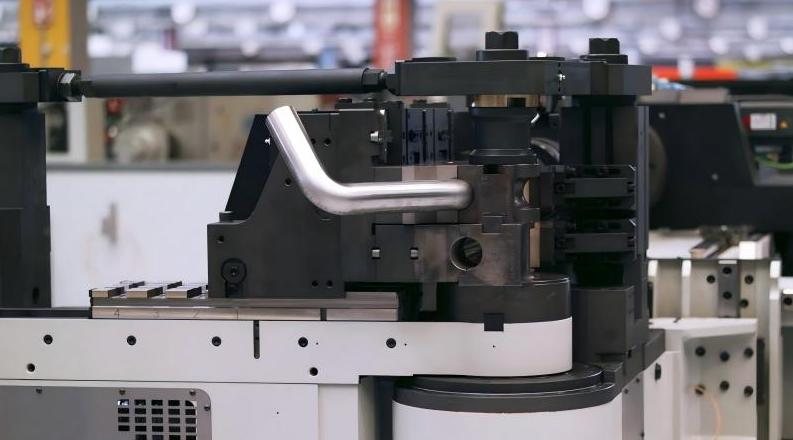
ја. Мазивање: најчешћи узрок одступања прецизности
Кључни покретни делови као што су штап за мандрилу, вођач и лоптен вит, сви су подржани уљевим филмом. Када се филм оља нестане, сила тријања се мења. Исте силе савијања делују на цев, а количина деформације је природно различита.
Проверите да ли је у сваком месту мазивања уље пре него што покренете машину сваки дан
Потврдите да аутоматски систем марења функционише исправно и да се уље не блокира
Ручно мазани делови треба да се попуне у складу са интервалима и уљевим производима који су потребни у упутству за опрему.
Недостатак мазивања је најчешћи узрок смањене прецизности, али је такође најлакши за спречавање.
II. Уговор Чишћење: Дрепи је невидљив убица прецизности
Метални остаци настали током процеса савијања цеви током времена акумулишу се на вођским шинама, површинама монтажа калупа и мандрицама. Ови остаци стварају ситне празнине, што спречава да се клизгач исправно креће или да се калупа не уклапа чврсто.
Чистите остатке и масти са водича после сваке смење.
Очистите радни стол и површине за монтажу калупа.
Користите компресиони ваздух да бисте оддушили тешко приступачне углове.
Ако се на вођским шинама акумулише остаци и ако се не чисти редовно, зношење ће се значајно убрзати. Временом ће прецизност вођске пруге опадати, а савијане цеви ће се стално одступати у једном правцу.
III. Уговор Инспекција компоненти: Ранње откривање проблема, најниже трошкове
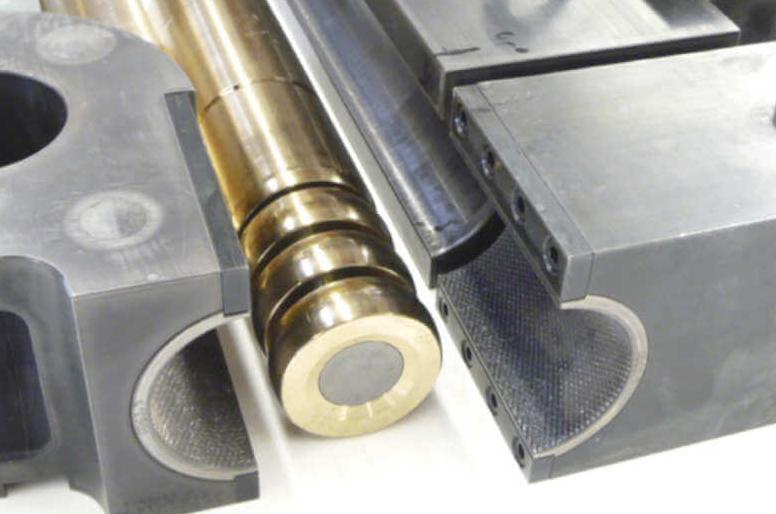
Проверите да ли постоје гребежи на врху мандрале, да ли површина за запртљање матрице постаје глатка и да ли постоји мала деформација у жлебу за савијање матрице.Ови проблеми се могу решити шлифкањем или фино подешавањем ако се рано открију. Чекање док не буде оштећена тачност обично захтева замену.
Проверите стање радне површине матрице и умрете сваке смете.
Проверите да ли су сви затварачи опуштени.
Уколико се нешто неисправно носи, одмах га исправите.
ИВ. Хидраулички и електрични системи: темељ прецизности и стабилности
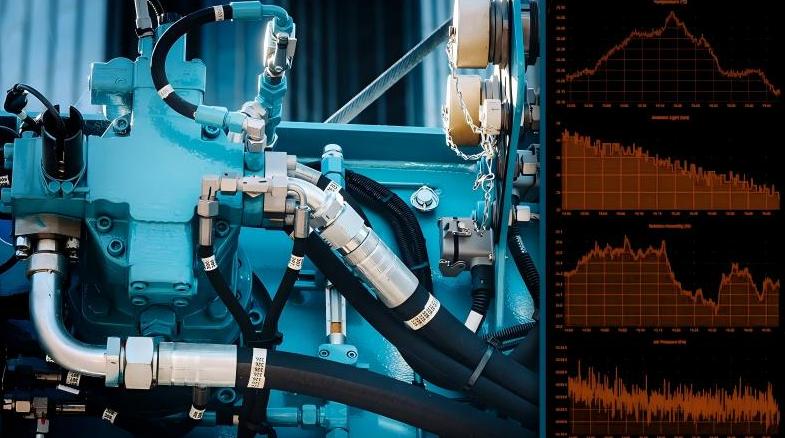
Ниски ниво хидрауличког уља доводи до нестабилног притиска система, узрокујући флуктуиране силе савијања и варијације углова. Емулгирано или оштећено хидраулично уље смањује мастило и убрзава зношење пумпе и вентила. Лага електрична веза такође може изазвати неисправно функционисање сервомотора.
Проверите ниво хидрауличног уља свакодневно како бисте се уверили да је у нормалном опсегу.
Погледајте боју и стање уља; одмах се побрините за било какве абнормалности.
Проверите електричну жицу да ли је нетакнута.
V. Рутинско одржавање штити дугорочну вредност опреме.
Уколико се на овакве задатке уложи само десет минута дневно, опрема ће се дуго годинама радити са стабилном тачношћу. Опрема која се занемари током рутинског одржавања ће почети да се одступа од прецизности након две или три године и можда ће бити потребна велика поправка или чак замена након пет година.
Направи листу контроле за свакодневне проверке и провери сваку ставку.
Убрзајте да решите проблеме; не одлагајте.
Запишите садржај сваке сесије одржавања и сва пронађена проблема.
Животни век исте машине може се значајно разликовати у зависности од тога да ли се обавља рутинско одржавање или не.
Како се у вашој радионици обављају рутинске процедуре одржавања? Да ли су нека питања са тачношћу узрокована небрежношћу у било ком кораку? Ми добродошли дискусији.