





Kako hitro odpraviti težave s obrabo krogelne vijčne gredi na gugalnih preseh JUGAO
Vsebina
• Razumevanje obrabe krogličnega vijaka na upogibnih strojih JUGAO
○ Tipični znaki obrabe krogličnega vijaka
• Hitre rešitve za obrabo krogličnega vijaka na upogibnih strojih JUGAO
○ Korak 1: Preverite splošno stanje krogličnega vijaka
○ Korak 2: Izmerite povratni hod in notranji razmik
○ Korak 3: Temeljito očistite sestavne dele krogličnega vijaka
○ Korak 4: Uporabite ustrezno mazivo
○ Korak 5: Prilagodite ali zamenjajte kroglično matico
○ Korak 6: Ponovna kalibracija sistema za nazadnji merilni rob
• Preventivno vzdrževanje krogličnih vijakov za upogibne stroje JUGAO
○ Redni vizualni pregledi
○ Pridržujte se načrta za mazanje
○ Zaprite onesnaževalce
○ Kontrolirajte obratovalno obremenitev stroja
• Pogosta vprašanja
○ Kdaj je treba zamenjati kroglični vijak za upogibni stroj JUGAO?
○ Je varno uporabljati upogibni stroj z obrabljenim krogličnim vijakom?
○ Kako pogosto je treba izvajati vzdrževanje krogličnega vijaka?
• Zaključek
Kroglični vijak je jedrni del sistema za nazadnji merilnik v Upogibnem stroju JUGAO , ki je odgovoren za pretvorbo vrtečega gibanja v zelo natančno linearno pomikanje. Ko se natančnost pozicioniranja zmanjša, se pojavijo nenavadni zvoki ali pa postane gibanje nestabilno, so obrabljeni krogelni vijaki pogosto glavna vzročila. Ta priročnik vas vodi skozi hitre korake za ugotavljanje in popravek, da vašo upogibno strojno presojko ponovno privedete do najvišje natančnosti in učinkovitosti.
Razumevanje obrabe krogličnega vijaka na upogibnih strojih JUGAO
Krogelni vijak na nazadnji merilni napravi (backgauge) presojke za upogibanje JUGAO zagotavlja zanesljivo in ponovljivo linearno gibanje za natančno upogibanje. Dolgotrajna obraba, nezadostno mazanje ali onesnaženje z praškom in kovinskimi ostružki postopoma povzročajo površinsko in notranjo obrabo. Ko se obraba napreduje, neposredno zmanjšuje natančnost pozicioniranja, ponovljivost ter doslednost končanih upognjenih delov.
Tipični znaki obrabe krogličnega vijaka
1. Slaba natančnost pozicioniranja
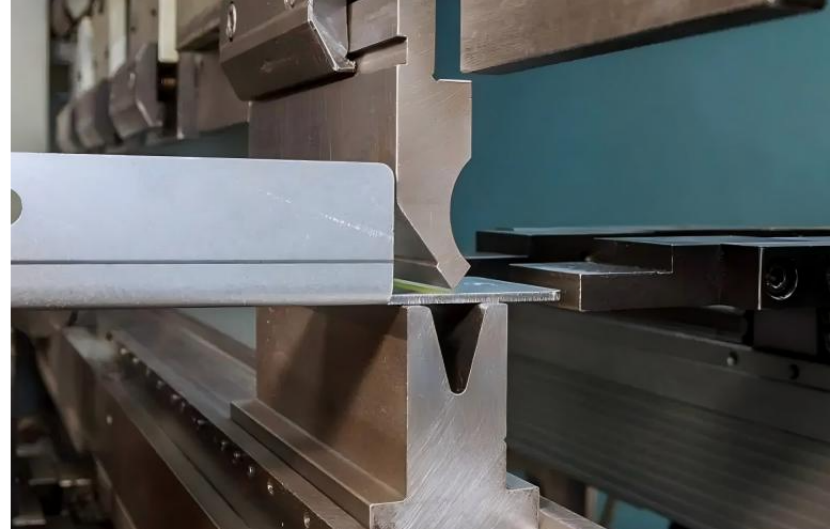
Nazadnja merilna naprava (backgauge) ne more zanesljivo vrniti v isti položaj, kar vodi do neenakih kotov upogibanja in nepremišljenih odstopanj delov.
2. Nenavaden obratni hrup
Hrup brušenja, klikenja ali drobljenja pogosto kaže na zgodnjo notranjo poškodbo krogličnega vijaka ali na pomanjkanje ustrezne mazanja.
3. Prevelik povratni igranec in ohlapnost
Opazna osna igra ali prosti premiki v nazadnji merilni napravi kažejo, da je kroglični vijak ali kroglična matica že obrabljena.
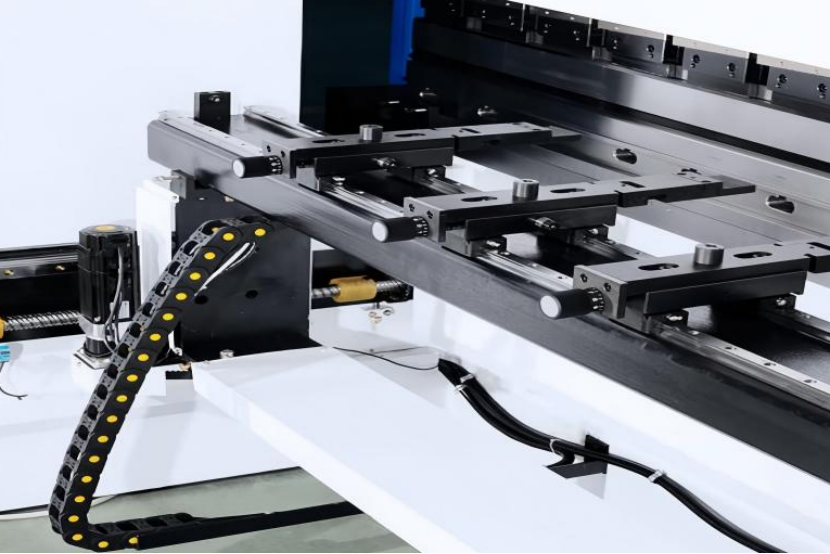
4. Neenakomerno ali skokasto gibanje
Obrabljen kroglični vijak lahko povzroči neenakomerno gibanje nazadnje merilne naprave, zaviranje ali sunkovito gibanje med vožnjo, kar moti normalno delovanje.
Hitre rešitve za obrabo krogličnega vijaka na upogibnih strojih JUGAO
Korak 1: Preverite splošno stanje krogličnega vijaka
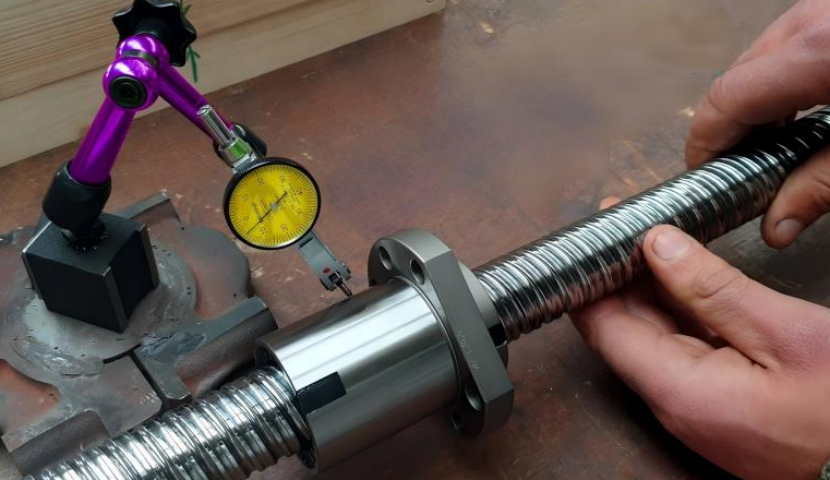
Začnite z celotnim vizualnim pregledom. Poiščite brazgotine, jamice, spremembe barve ali drugo površinsko poškodbo na krogličnem vijaku. Zavrtite vijak ročno, da preizkusite gladko delovanje; kakršna koli togost, grda površina ali neenakomerno gibanje kažejo na potrebo po dodatnem popravku.
Korak 2: Izmerite povratni hod in notranji razmik
Uporabite kazalni merilnik za preverjanje povratnega igranca v sistemu nazadnje merilne naprave. Če izmerjene vrednosti presegajo dovoljeno toleranco proizvajalca, je prišlo do pomembne notranje obrabe kroglične matice ali vijaka, kar zahteva nastavitev ali zamenjavo.
Korak 3: Temeljito očistite sestavne dele krogličnega vijaka
Nesrečna onesnaženost je ena najpogostejših vzrokov pospešenega obrabljanja. Uporabite čisto, brezvolčno krpo in primerno čistilno tekočino za odstranitev prahu, kovinskih stružkov in starega mazila s krogličnega vijaka in matica. Preverite, ali so zaščitne pokrovke nedotaknjene in pravilno zaprte, da preprečite prihodnjo onesnaženost.
Korak 4: Uporabite ustrezno mazivo
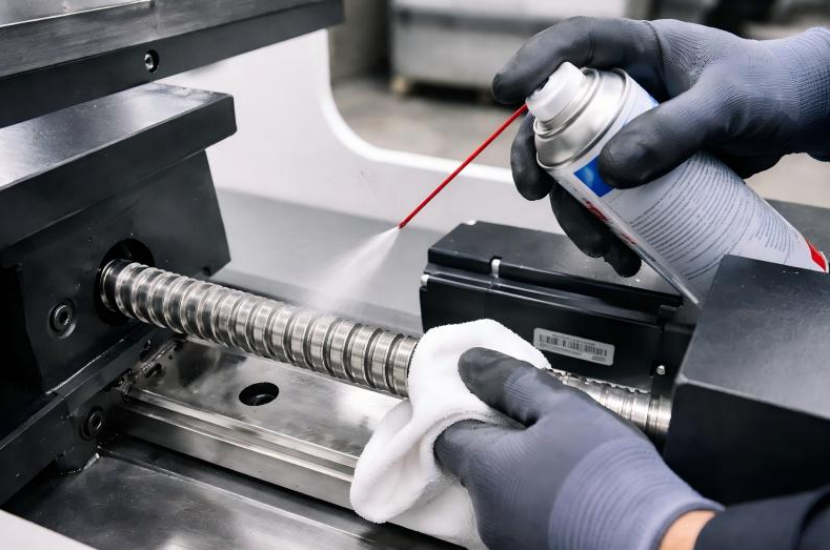
Pravilno mazanje je ključnega pomena za podaljšanje življenjske dobe krogličnih vijakov za upogibne stroje JUGAO. Na vijakovo gred enakomerno nanesite mazilo, ki ga priporoča proizvajalec. Sledite priporočeni pogostosti mazanja, da izognete predčasnemu obrabljanju in poškodbam zaradi trenja.
Korak 5: Prilagodite ali zamenjajte kroglično matico
Pri blagi do zmerni obrabi lahko nastavitev prednapetosti kroglične matice zmanjša prekomerno povratno igro. Če je obraba huda – na primer globoki žlebovi, močno pikanje ali trajna ohlapnost – je treba zamenjati kroglično matico ali celoten kroglični vijak, da zagotovimo zanesljivo delovanje.
Korak 6: Ponovna kalibracija sistema za nazadnji merilni rob
Ko je čiščenje, mazanje, nastavitev ali zamenjava končana, morate nazadnje popolnoma ponovno kalibrirati nazadnji merilni sistem. Preizkusite več položajev in preverite ponovljivost, da zagotovite popolno obnovitev natančnosti pozicioniranja.
Preventivno vzdrževanje krogličnih vijakov za upogibne stroje JUGAO
Redni vizualni pregledi
Redno pregledujte krogelni vijak za zgodnje znake obrabe, onesnaženja ali nezadostne mazanja. Zgodnje odkrivanje težav prepreči nepredvidene prekinitve delovanja in draga popravila.
Pridržujte se načrta za mazanje
Ustvarite dosleden urnik mazanja na podlagi frekvence obratovanja stroja. Stroji, ki delujejo z visokimi dnevnimi obremenitvami, potrebujejo pogostejše mazanje za ohranitev gladkega gibanja.
Zaprite onesnaževalce
Ohranjajte nedotaknjene zaščitne pokrove, tesnila in mehove. Preprečevanje vdora prahu, hladilne tekočine in kovinskih drobcev bistveno zmanjša obrabo in podaljša življenjsko dobo komponent.
Kontrolirajte obratovalno obremenitev stroja
Ne preobremenjujte ukrivljalnega stiskalnika čez njegovo nazivno zmogljivost. Prekomerna sila pospeši obrabo krogelnega vijaka in skrajša njegovo uporabno dobo.
Pogosta vprašanja
Kdaj je treba zamenjati kroglični vijak za upogibni stroj JUGAO?
Zamenjajte krogelni vijak, če še vedno opazujete hudo povratno igro, stalne nenavadne hrupne pojave ali pomembno izgubo natančnosti pozicioniranja tudi po mazanju in nastavitvi.
Je varno uporabljati upogibni stroj z obrabljenim krogličnim vijakom?
Ne. Nadaljevanje uporabe obrabljenega krogelnega vijaka povzroči resnejšo škodo, znižano kakovost izdelkov in nenaden odpoved sistema za nazadnje merjenje.
Kako pogosto je treba izvajati vzdrževanje krogličnega vijaka?
Pogostost vzdrževanja je odvisna od načina uporabe, vendar se za večino strojev priporočajo tedenski pregledi in mazanje ali po določenem številu obratovalnih ur.
Zaključek
Hitro odpravljanje obrabe krogličnega vijaka je ključno za ohranjanje visoke natančnosti in produktivnosti gugalnih lomilcev JUGAO. Z rednim pregledom stanja, nadzorom povratnega hoda, temeljitim čiščenjem, ustrezno mazanjem in zamenjavo obrabljenih delov po potrebi lahko zanesljivo obnovite zmogljivost stroja.
Proaktivno in redno vzdrževanje podaljša življenjsko dobo vaše opreme ter zagotavlja dosledne in visokokakovostne rezultate pri upogibanju. Če potrebujete strokovno podporo, nadomestne dele ali strokovno storitev za vaš gugalni lomilec JUGAO, je naša ekipa pripravljena pomagati, da ohranite gladko in natančno obratovanje.

