





Cum se determină cauza principală a uzurii șinelor ghidaj ale unei mașini de doborât țevi?
Cum se determină cauza principală a uzurii șinelor ghidaj ale unei mașini de doborât țevi?
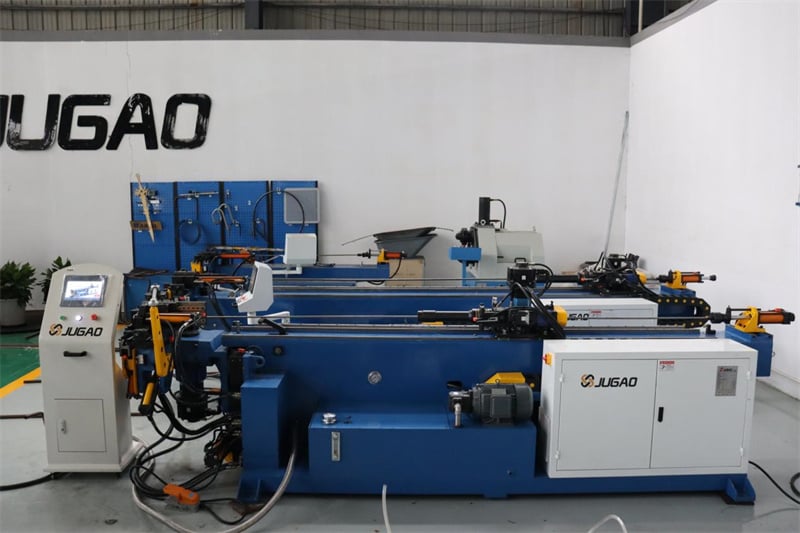
Când ghidajele unei mașini de îndoit țevi se uzează și încep să afecteze precizia mașinii, să cauzeze vibrații sau să crească rezistența la înaintare a caruciorului de îndoire, calitatea prelucrării produsului și eficiența generală a producției vor scădea. Dacă analizați cauzele uzurii premature a ghidajelor și dorești să identifici cauza fundamentală înainte ca problema să genereze pierderi semnificative, acest articol îți oferă orientări practice. În conținutul de mai jos, voi prezenta în mod sistematic manifestările frecvente ale uzurii ghidajelor, metodele de diagnosticare și abordările de depistare a defecțiunilor, pentru a ajuta echipele de întreținere și operatorii să determine cu exactitate cauza fundamentală a deteriorării ghidajelor. Prin identificarea timpurie a problemelor, puteți evita înlocuirile inutile de piese, reduceți timpul de nefuncționare al echipamentului și asigurați stabilitatea procesului de îndoire.
Cum să determinați dacă ghidajele unei mașini de îndoit țevi se uzează în timpul funcționării
1. Observați modificările preciziei în timpul proceselor repetate de îndoire
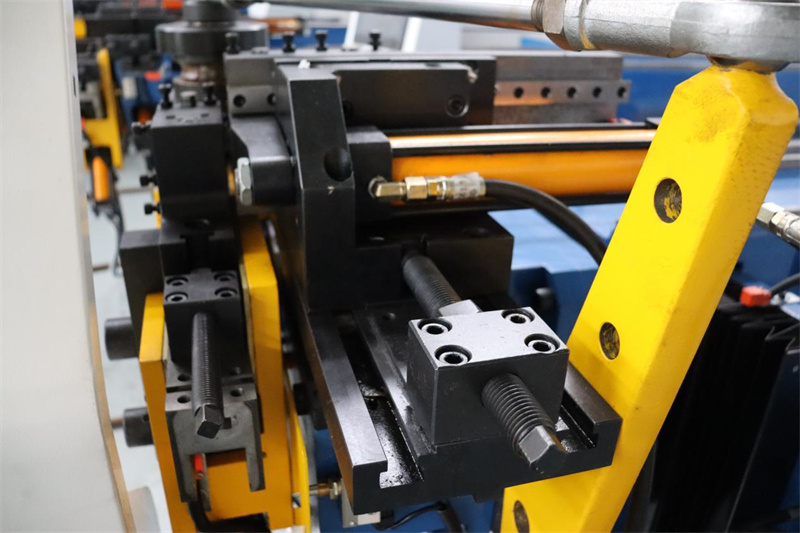
Una dintre primele manifestări tipice ale uzurii șinelor de ghidare la mașinile de îndoit tuburi este inconsistența rezultatelor obținute în procesare. Atunci când există diferențe semnificative de unghi la tuburile prelucrate folosind același program și aceleași parametri de proces, acest lucru indică, de obicei, faptul că uzura suprafeței șinelor de ghidare a afectat stabilitatea de deplasare a caruciorului. Se recomandă utilizarea unui instrument digital de măsurare a unghiurilor pentru a compara rezultatele mai multor operațiuni de îndoire. Dacă abaterea prezintă o tendință de creștere treptată, aceasta indică, de regulă, probleme mecanice de uzură, nu deviații ale sistemului de comandă sau ale software-ului.
2. Atenție la vibrațiile și zgomotele anormale.
Vibrația nu este doar o perturbare în timpul funcționării, ci și un semn premonitoriu al unei defecțiuni mecanice. Când suprafața șinei de ghidare este uzată sau insuficient lubrificată, caruciorul nu se va deplasa uniform în timpul mișcării, ceea ce crește frecarea și poate duce la apariția zgomotului, urmelor de vibrație pe suprafața țevii și chiar la supraîncălzire localizată. Dacă vibrația este mai pronunțată în condiții de sarcină mare, aceasta poate fi legată de o aliniere necorespunzătoare a șinei de ghidare sau de o defecțiune a sistemului de lubrifiere.
3. Deplasați manual caruciorul și verificați rezistența la înaintare.
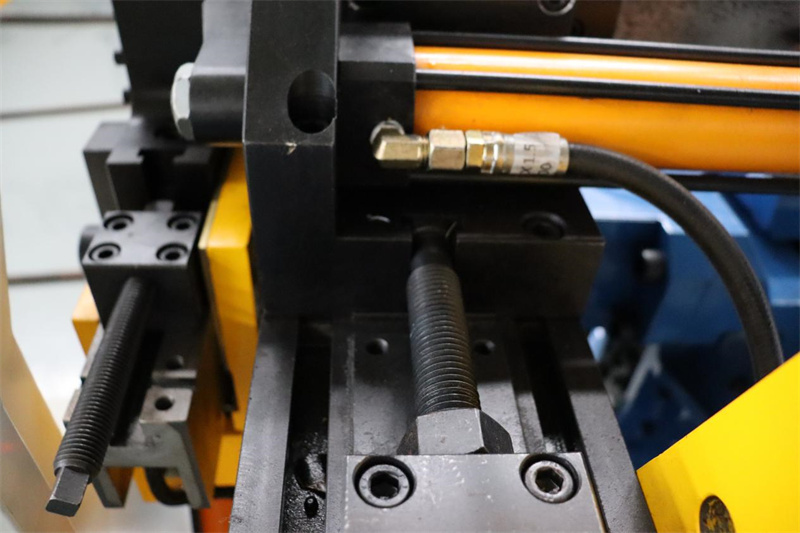
Comutați în modul manual și împingeți încet caruciorul pentru a simți dacă mișcarea acestuia este uniformă. Dacă întâlniți blocări, rezistență neuniformă sau opriri locale, aceasta indică, de obicei, deteriorarea suprafeței șinei de ghidare sau contaminarea acesteia cu particule. În condiții normale, caruciorul trebuie să poată fi deplasat uniform sub acțiunea unei forțe exterioare mici.
Cum se diagnozează cauzele mecanice ale uzurii șinei de ghidare la o mașină de îndoit țevi
1. Abaterea de aliniere între cadru și sina de ghidare.
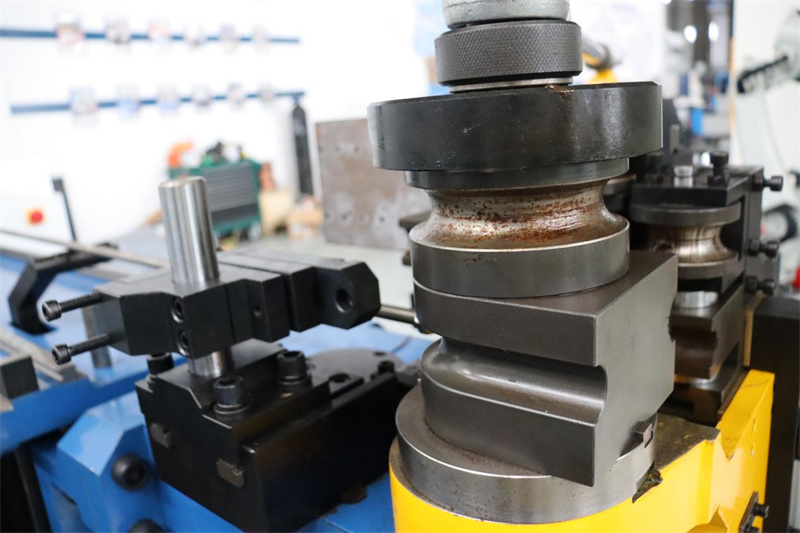
Alinierea necorespunzătoare este o cauză frecventă a uzurii anormale a sinei de ghidare. Atunci când caruciorul și sina de ghidare nu sunt perfect perpendiculare în direcția de deplasare, sarcina se concentrează pe o parte sau pe o zonă localizată a sinei de ghidare, determinând o uzură neuniformă, care se manifestă sub formă de amprente unilaterale, zgârieturi sau modele de uzură înclinate.
Soluție: Utilizați un indicator cu cadran pentru a verifica alinierea sinei de ghidare și a caruciorului, ajustați treptat șuruburile de fixare ale sinei de ghidare și monitorizați în mod continuu abaterea. Rețineți că nu trebuie să forțați niciodată alinierea sub sarcină, deoarece acest lucru poate genera eforturi structurale și poate agrava uzura.
2. Defecțiune a sistemului de ungere sau utilizare incorectă
Funcționarea normală a sinei de ghidare depinde de o ungere continuă și adecvată. Înfundarea conductelor de ungere, alimentarea neregulată cu ulei sau utilizarea unor lubrifianți nepotriviti vor duce la contact direct între suprafețele metalice, accelerând rapid uzura.
Soluție: Se recomandă verificarea sistemului de ungere săptămânal pentru a asigura un flux neîntrerupt de ulei. Utilizați un lubrifiant specializat, potrivit pentru componente în mișcare liniară, evitând utilizarea unui unt de uz general. În cazul necesității, efectuați teste de debit pentru a verifica uniformitatea alimentării cu ulei a fiecărui punct de ungere.
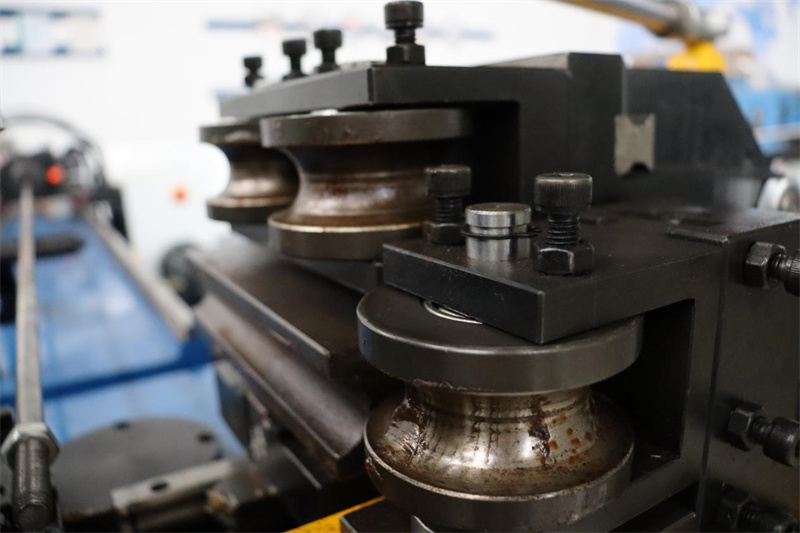
3. Pătrunderea prafului metalic sau a impurităților
În timpul îndoirii țevilor, frecarea dintre țeavă și matriță poate genera așchii metalice sau alte particule. Dacă aceste impurități aderă pe suprafața șinelor de ghidare și nu sunt curățate la timp, vor acționa ca abrazivi, accelerând uzura șinelor de ghidare.
Soluție: Se recomandă montarea unor capace de protecție pe șinele de ghidare și stabilirea unui program regulat de curățare. Pentru curățare utilizați o cârpă uscată, evitând apa pentru a preveni apariția ruginei. La prelucrarea materialelor feromagnetice, luați în considerare instalarea unui dispozitiv magnetic de colectare pentru reducerea răspândirii prafului metalic.
4. Distribuția neuniformă a sarcinii
Dacă operatorii nu mențin țevile în poziție orizontală în timpul instalării sau nu susțin eficient țevile lungi, șinele de ghidare vor suporta forțe suplimentare de torsiune, în locul încărcării liniare prevăzute în proiectare, ceea ce duce la o uzură neuniformă.
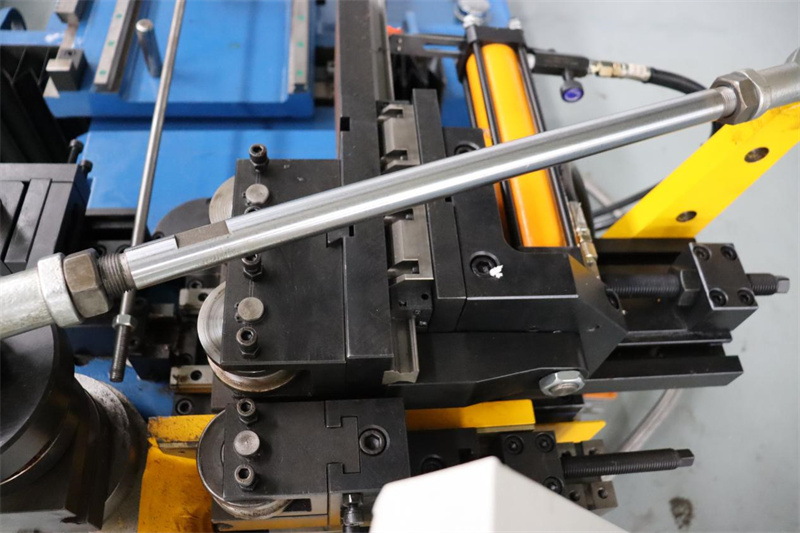
Soluție: Intensificarea instruirii operatorilor pentru a asigura plasarea stabilă a țevilor înainte de îndoire. Pentru țevile lungi, se pot instala dispozitive auxiliare de susținere. Pentru echipamentele care funcționează sub sarcini mari pe perioade îndelungate, se recomandă reevaluarea capacității de rezistență la încărcare a șinelor de ghidare și actualizarea specificațiilor, dacă este necesar.
Cum se poate întârzia uzura șinelor de ghidare prin întreținerea rutinieră
Recomandări privind planul de inspecție
Săptămânal: Inspectați vizual starea șinelor de ghidare și curățați deșeurile de pe suprafață.
Lunar: Verificați funcționarea sistemului de ungere.
Trimestrial: Efectuați un test complet de aliniere și precizie.
Anual: Invitați specialiști să efectueze o evaluare a sistemului.
Referință privind frecvența ungerii
Utilizare cu sarcină ușoară: O dată la două săptămâni
Încărcare medie: O dată pe săptămână
Producție continuă cu încărcare ridicată: La fiecare 3–4 zile
Instruirea operatorilor este esențială
Multe cazuri de uzură a șinelor de ghidare provin din obișnuințe incorecte de operare sau din lipsa de comunicare între echipele de ture. Se recomandă elaborarea unor proceduri clare de operare, standardizarea procesului de încărcare a țevilor și înregistrarea stării echipamentului în cadrul predării-primirii între ture. De asemenea, operatorii noi trebuie să urmeze o instruire sistematică pentru a asigura stăpânirea metodelor corecte de operare.
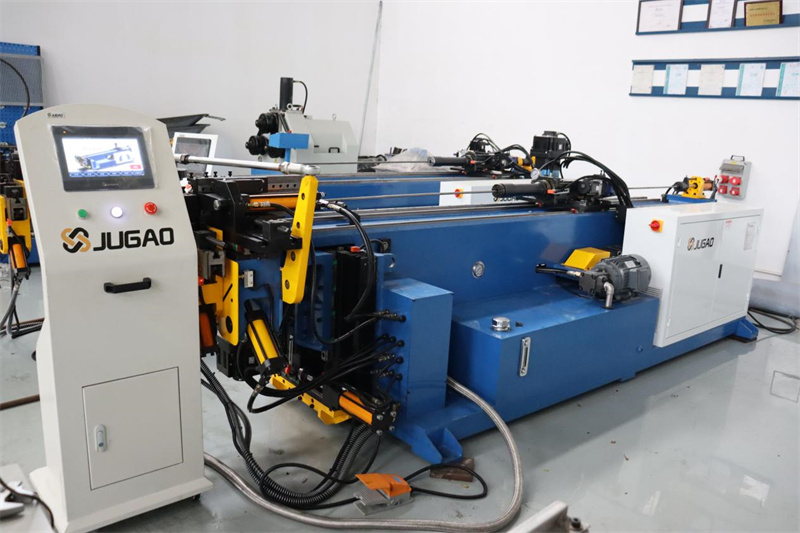
Prin inspecție științifică, diagnosticare precisă și întreținere rutinieră standardizată, puteți prelungi eficient durata de viață a șinelor de ghidare ale mașinii de îndoit țevi, asigurând precizia prelucrării și stabilitatea în funcționare a echipamentului.

