




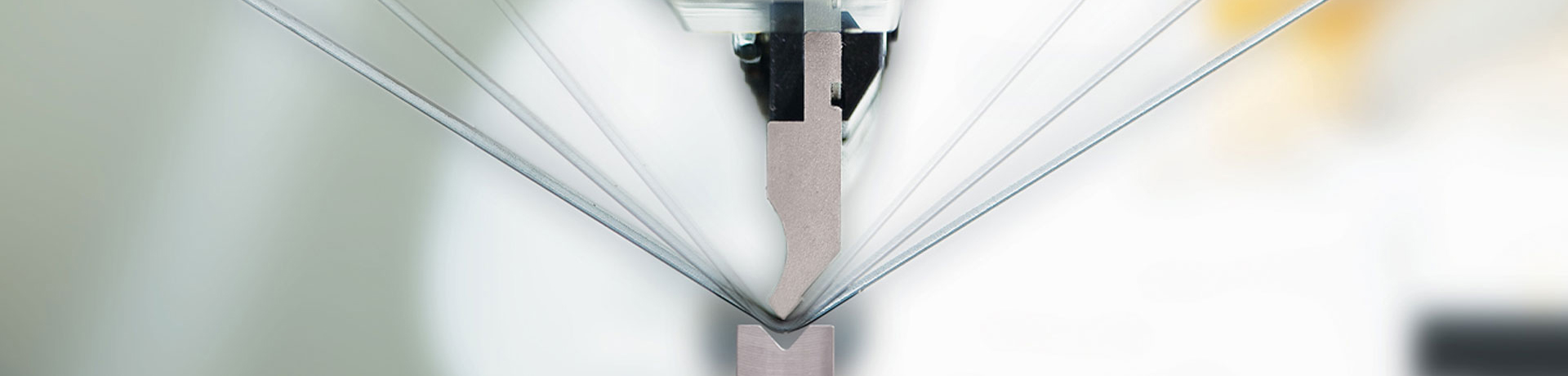
Por que a precisão de uma laminadora é tão importante?
Durante a fase de preparação do material em etapas críticas de usinagem, pergunto-me sempre: por que a precisão da laminadora é tão crucial? A resposta reside no fato de que ela está diretamente relacionada à precisão das peças, ao desperdício de material e à eficiência da produção, e de forma alguma constitui um benefício dispensável. Este guia explicará como, ao controlar rigorosamente as tolerâncias e manter uma calibração constante dos equipamentos, você não só melhora a qualidade dos produtos e reduz as taxas de refugo, mas também capacita sua oficina a atender com confiança os padrões mais exigentes dos clientes.
O impacto da precisão da laminadora na qualidade das peças
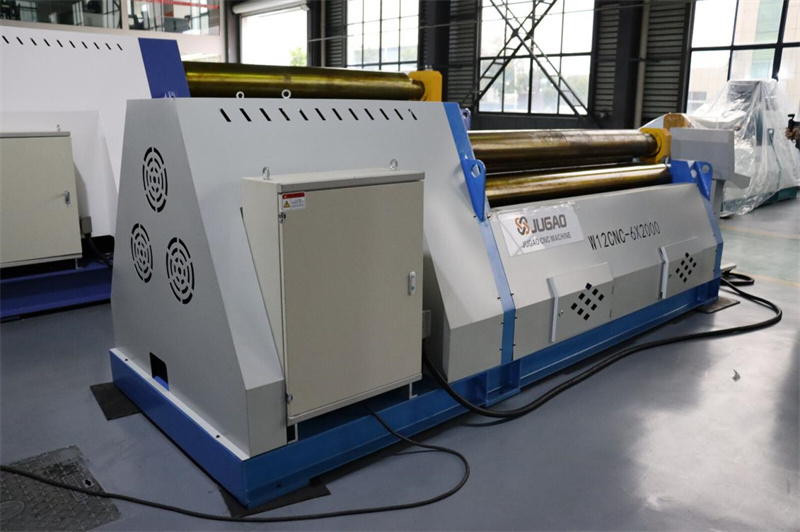
Compreender os requisitos de tolerância das peças laminadas
Cada projeto possui tolerâncias claramente definidas, que correspondem às variações permitidas entre as dimensões reais e as nominais. Ao laminar cascas cilíndricas ou painéis curvos, o controle rigoroso de tolerâncias garante que a geometria final corresponda à intenção do projeto. Por meio da usinagem de precisão da laminadora, consigo atingir os requisitos de retilineidade ou redondeza de ±0,5 mm, comumente exigidos em aplicações aeroespaciais e automotivas.
Reduzir o desperdício de material e a taxa de refugo
A imprecisão na laminação frequentemente leva à retrabalho ou até mesmo ao refugo de peças. Em muitos workshops, a taxa de refugo pode ser reduzida em até 30% simplesmente com a introdução de um controle preciso da posição da régua de referência traseira e do posicionamento sincronizado dos rolos. Com essa precisão repetível nos ajustes, consigo reduzir eficazmente a quantidade de produtos defeituosos, ao mesmo tempo que diminuo os custos com materiais.
Tecnologias essenciais para melhorar a precisão da laminadora
Calibração regular da folga entre rolos e da régua de referência traseira
Calibrar regularmente a folga entre os rolos é crucial para garantir uma deformação uniforme do papel em cada alimentação. Verifico a folga entre os rolos mensalmente com uma chave de folgas e um relógio comparador, ajustando o limitador traseiro conforme necessário para manter a posição de alimentação do papel dentro de 0,2 mm do valor-alvo.
Treinamento de operadores de ajuste de precisão
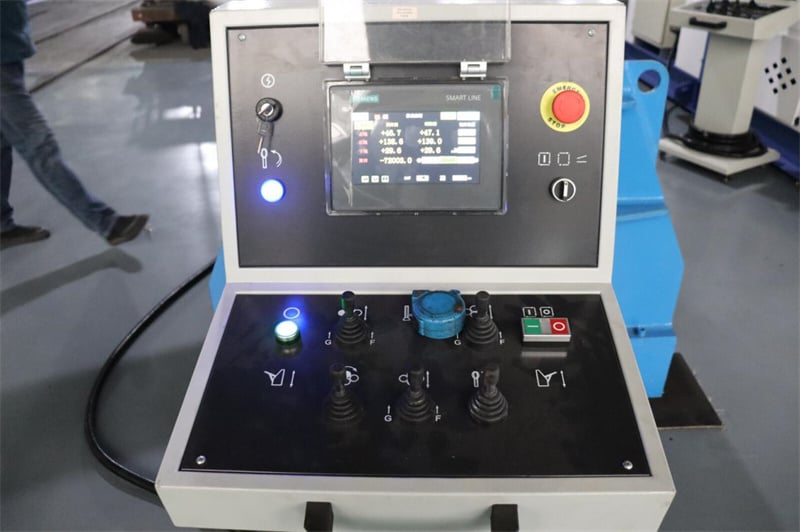
Mesmo os equipamentos mais avançados não conseguem funcionar sem operadores experientes. Organizo sessões práticas de treinamento, com foco em processos demorados, como "calibração de laminador de aço inoxidável" e "configuração precisa de curvatura de rolos para perfis assimétricos". Treinar a equipe de forma eficaz evita erros humanos e garante a implementação das melhores práticas.
Estratégias de manutenção para manter a precisão
Inspeção rotineira dos rolamentos e engrenagens de laminação
Rolamentos desgastados podem desenvolver folga, o que, por sua vez, afeta a precisão da laminadora. Insisto em inspecionar os rolamentos de rolagem a cada 500 horas de operação, verificando a presença de ruídos ou vibrações anormais. A substituição oportuna de peças desgastadas pode prevenir desvios na geometria das peças causados por folga excessiva.
Lubrificação e limpeza para garantir o funcionamento suave
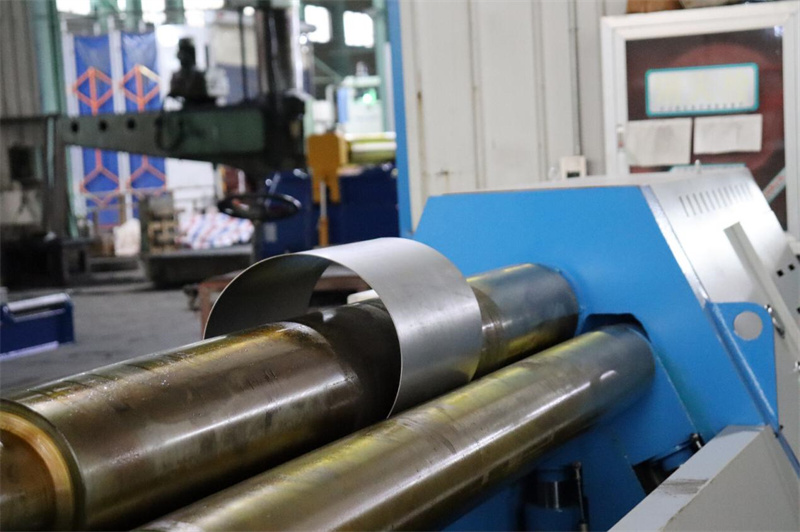
A estabilidade operacional da máquina depende da limpeza e da lubrificação. Aplico consistentemente o lubrificante recomendado pelo fabricante em todas as juntas móveis e certifico-me de que as superfícies dos rolos estejam sempre limpas. Essa prática simples ajuda a prevenir movimentos irregulares dos rolos, mantendo assim a precisão da calibração.
Substituição preventiva de peças vulneráveis
Componentes como capas dos rolos, vedadores e mangueiras hidráulicas envelhecem com o uso prolongado. Ao implementar substituições preventivas com base em dados de vida útil, posso evitar eficazmente falhas inesperadas causadas pelo envelhecimento, garantindo, assim, que a precisão do equipamento permaneça inalterada.

