





Jak poprawić powtarzalność gięcia na prasie krawędziowej?
Spis treści
• Zrozumienie powtarzalności gięcia na prasie krawędziowej
a. Standardowa kalibracja sprzętu do gięcia na prasie krawędziowej
b. Stabilna instalacja i zarządzanie narzędziem
c. Skuteczna kontrola różnic w materiałach
d. Codzienne konserwowanie sprzętu
• Najczęściej zadawane pytania (FAQ)
○ Jakie metody mogą zwiększyć powtarzalność gięcia na prasie krawędziowej?
○ Jak często należy kalibrować prasę krawędziową?
○ Czy stan narzędzi wpływa na powtarzalność gięcia?
• Podsumowanie
Powtarzalność gięcia na prasie giętkiej jest kluczowym wskaźnikiem zapewniającym stabilne i wysokiej jakości wyniki kształtowania metali. Jeśli chcesz poprawić powtarzalność działania swojej prasy giętkiej, ten artykuł dostarczy szczegółowych wskazówek. Omawia on kluczowe czynniki wpływające na spójność gięcia oraz przedstawia praktyczne rozwiązania optymalizacji obsługi urządzenia, dzięki czemu możesz stabilnie produkować elementy o wysokiej precyzji w produkcji masowej.
Zrozumienie powtarzalności gięcia na prasie giętkiej
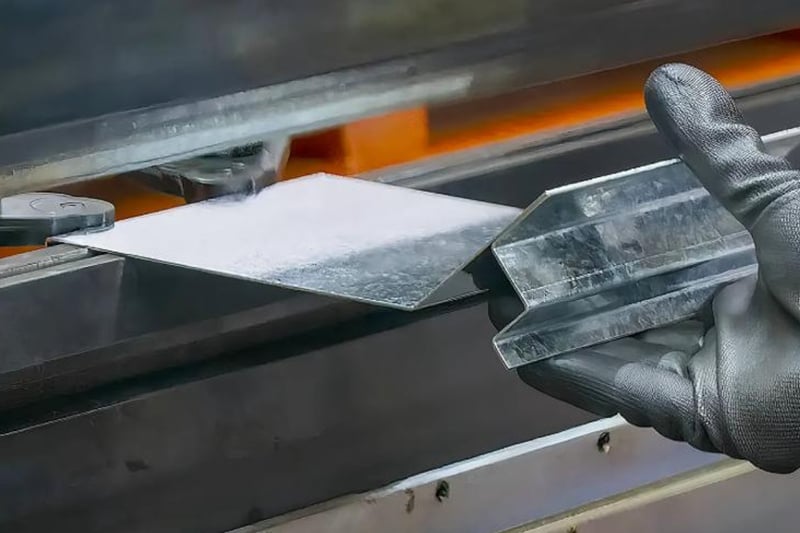
Powtarzalność gięcia na prasie giętkiej oznacza, że urządzenie jest w stanie zapewnić identyczne efekty gięcia w wielu kolejnych cyklach roboczych. Bezpośrednio określa ona stabilność wymiarową wytworzonych części oraz wskaźnik zgodności gotowych wyrobów. Na powtarzalność wpływają różne czynniki, w tym stan regulacji urządzenia, dopasowanie narzędzi, jednolitość materiału oraz codzienna konserwacja. Główne zadanie polega na wyeliminowaniu błędów odchylenia i zapewnieniu spójnych wyników obróbki niezależnie od liczby wykonanych cykli.
1. Standardowa kalibracja urządzeń do gięcia na prasie giętkiej
Przeprowadzenie standardowej kalibracji to podstawowy krok w celu poprawy powtarzalności gięcia. Regularna i precyzyjna kalibracja zapewnia pracę urządzenia w zakresie tolerancji przewidzianych w projekcie. Urządzenie poza zakresem kalibracji powoduje bezpośrednio odchylenia wymiarów gięcia oraz niestabilną jakość obróbki.
Krok 1: Kalibracja systemu tylnego uchwytu
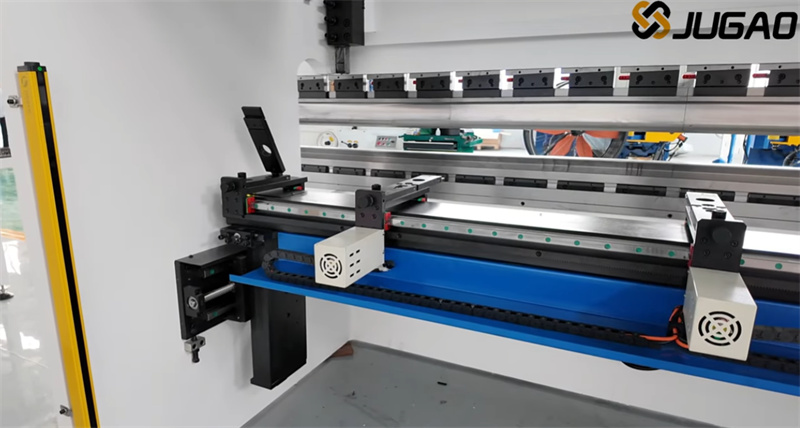
System tylnego ogranicznika wykonuje kluczowe zadanie dokładnego pozycjonowania obrabianego przedmiotu. Aby zapewnić wysoką powtarzalność, należy dokładnie skalibrować tylny ogranicznik zgodnie z parametrami technicznymi urządzenia. Niewłaściwe ustawienie lub błędna konfiguracja parametrów spowodują niewielkie różnice wymiarowe wytworzonych części.
Krok 2: Dostosowanie położenia suwaka
Dokładne pozycjonowanie suwaka jest warunkiem niezbędnym do uzyskania spójnych gięć. Sprawdź i dostosuj wzajemne położenie suwaka, narzędzi oraz obrabianego materiału. Jakiekolwiek przesunięcie spowoduje wahania kąta gięcia i pogorszy powtarzalność procesu.
2. Stabilna instalacja i obsługa narzędzi
Narzędzia stanowią kluczowy element wpływający na powtarzalność gięcia. Standardowa instalacja, precyzyjne wyrównanie oraz regularna konserwacja narzędzi są niezbędne do utrzymania spójności efektów gięcia.
Krok 1: Zastosowanie narzędzi wysokiej jakości
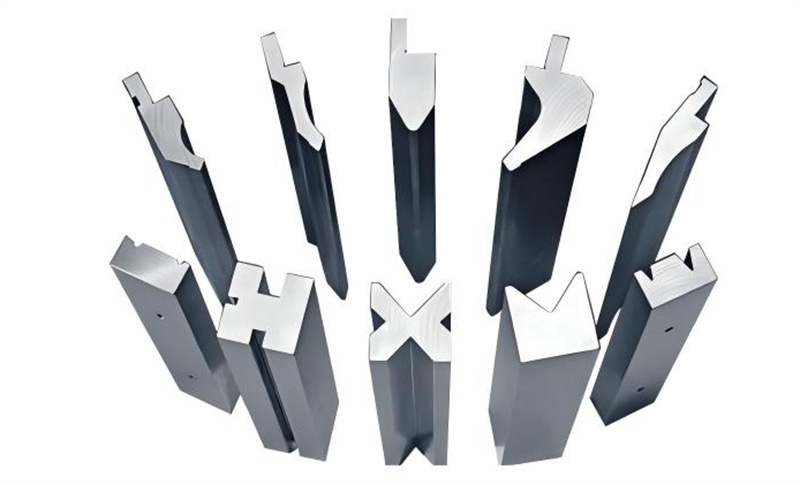
Wybierz wysokowytrzymałą, odporną na zużycie osprzęt dopasowany do modelu prasy giętkiej, co pozwala osiągnąć dokładne i powtarzalne gięcie. Zużyty, odkształcony lub uszkodzony osprzęt spowoduje niestabilne kąty gięcia oraz niejednorodne wymiary wyrobów.
Krok 2: Zweryfikuj wyrównanie osprzętu
Przed formalną obróbką sprawdź ponownie mocowanie i dokładność pozycjonowania narzędzi. Nawet niewielkie niedokładne ustawienie spowoduje nieregularną deformację gięcia i zmniejszy stabilność procesu.
3. Skuteczna kontrola różnic materiałów
Jednorodność materiału stanowi kolejny kluczowy czynnik wpływający na powtarzalność gięcia. Różnice w grubości materiału, twardości oraz płaskości powierzchni zmieniają prawidłowości naprężeń i odkształceń występujące podczas gięcia.
Krok 1: Zapewnij spójność materiału
Używaj surowców spełniających w pełni wymagania techniczne projektu. Niestabilne właściwości materiału spowodują wyraźne różnice w końcowym efekcie kształtowania. Konieczne jest sprawdzenie parametrów materiału przed rozpoczęciem produkcji w celu ograniczenia potencjalnych ryzyk jakościowych.
Krok 2: Standaryzacja położenia materiału
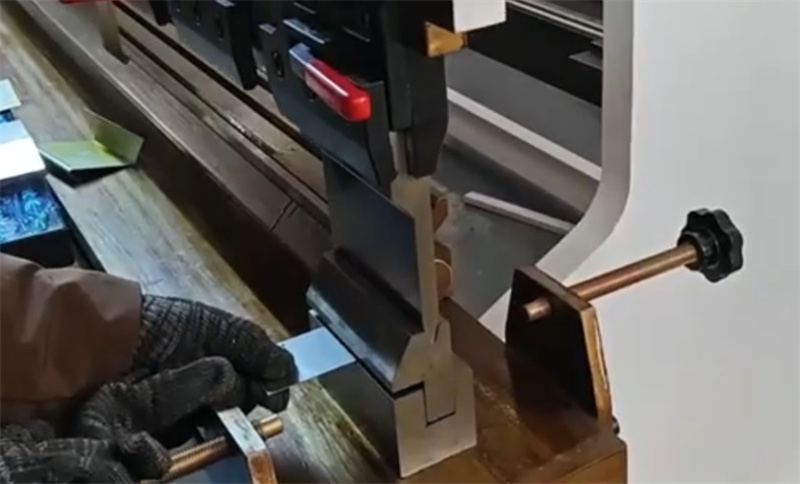
Zachowaj stałe położenie materiału w giętarni hydraulicznej podczas każdego etapu obróbki. Najmniejsze przesunięcia położenia wpływają na kąt i głębokość gięcia, co zmniejsza powtarzalność całego procesu.
4. Codzienne konserwacje sprzętu
Regularna konserwacja jest niezbędna do utrzymania długotrwałej dokładności i powtarzalności pracy giętarni hydraulicznej. Okresowe inspekcje i serwisowanie zapewniają optymalny stan techniczny wszystkich elementów, zmniejszając prawdopodobieństwo błędów obróbkowych oraz awarii sprzętu.
Krok 1: Smarowanie części ruchomych
Zastosuj wystarczającą ilość smaru na części ruchome, takie jak tłoczysko i system tylnego uchwytu, aby zapewnić płynną pracę i ograniczyć zużycie mechaniczne. Dzięki temu można skutecznie uniknąć niedokładności obróbkowych spowodowanych zatarciem mechanicznym lub nadmiernym zużyciem.
Krok 2: Kontrola układów hydraulicznych
System hydrauliczny zapewnia siłę napędową dla ramy giętarki. Fluktuacje ciśnienia hydraulicznego powodują niestabilną siłę gięcia oraz niestabilny przebieg procesu. Należy regularnie sprawdzać występowanie wycieków oleju, anomalii ciśnienia oraz innych usterek i natychmiast je usuwać, aby zapewnić stabilną wydajność gięcia.
Najczęściej zadawane pytania
Jakie metody mogą poprawić powtarzalność gięcia na giętarkach?
Aby poprawić powtarzalność gięcia, należy wprowadzić standaryzowaną kalibrację giętarki, zapewnić stabilność ustawienia narzędzi, kontrolować jednolitość materiału oraz przeprowadzać regularne konserwacje urządzenia. Te działania pozwalają zminimalizować błędy procesowe oraz zwiększyć dokładność i stabilność gięcia.
Jak często należy kalibrować giętarkę?
Zaleca się kalibrowanie giętarki co najmniej raz w roku. W przypadku długotrwałej eksploatacji urządzenia, dużych obciążeń roboczych lub wyraźnych anomalii w jego działaniu częstotliwość kalibracji powinna zostać odpowiednio zwiększona.
Czy stan narzędzi wpływa na powtarzalność gięcia?
Tak. Zużyte narzędzia lub nieprawidłowe ich ustawienie znacznie obniżają powtarzalność gięcia. Regularnie sprawdzaj i konserwuj narzędzia, aby zapewnić ich prawidłowe działanie.
Podsumowanie
Poprawa powtarzalności gięcia na prasie giętarkowej jest kluczowa do uzyskiwania spójnych, wysokiej jakości elementów z blachy. Dzięki standaryzowanej kalibracji sprzętu, stabilnemu zarządzaniu narzędziem, ścisłej kontroli różnic w materiałach oraz naukowej codziennej konserwacji prasa giętarkowa może utrzymywać pracę z wysoką precyzją i stabilnością. W razie potrzeby dodatkowego wsparcia technicznego lub bardziej zaawansowanych rozwiązań optymalizacji prasy giętarkowej możesz w każdej chwili skonsultować się z naszym profesjonalnym zespołem technicznym.

