




Hvorfor er rørbøyemaskiner så avgjørende innen robotikk og automatisering? Du vil forstå det så snart du har jobbet med dem.
Mange mennesker tror at rørbøyemaskiner bare brukes til å bøye rør for å lage rekkverk og utstillingstasjer. Men i robotikk- og automatiseringsindustrien er rollen deres langt viktigere enn du kanskje tenker. Jeg har jobbet med mange robotprosjekter, og jeg kan si at uten presis rørbøyning kunne mange robotarmer og automatiserte enheter ikke vært produsert.
Her er noen gode grunner:
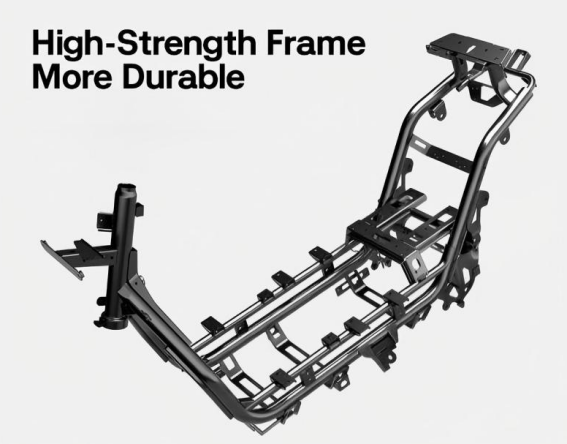
1. Lettvektig og solid: Robotene beveger seg raskt
Robotarmer må være sterke, men ikke for tunge. Presisbøyde rør opprettholder høy styrke samtidig som de reduserer vekten. Lavere vekt betyr mindre belastning på motorer, noe som fører til raskere, mer energieffektiv og stabil drift ved høy hastighet.
2. Utilstrekkelig presisjon fører til robotvibrasjoner
Robotar er avhengige av nøyaktige baner for å fungere. Selv en avvikelse på 0,5 mm ved rørbøyning kan føre til spenning eller overdreven vibrasjon under montering. CNC-rørbøyemaskiner oppnår svært stramme toleranser, noe som sikrer at hver del av robotarmen og hver sensorfeste passer perfekt. Robotar som er montert på denne måten utsettes for mindre slitasje, lager lavere støy og har en lengre levetid.
3. Komplisert rørbøyning for kompakte rom
Automatiseringsenheter har begrenset plass; hvordan skal kabler, luftslanger og hydraulikkrør arrangeres? Rørbøyemaskiner lager bøyer med flere radier og spiralformede rør, som skjuler ledningene pent. Dette reduserer utstyrets fotavtrykk og forenkler vedlikehold.
For å bruke en rørbøyemaskin effektivt i et robotprosjekt, husk følgende punkter:
Velg riktig materiale: Rustfritt stål, aluminium og titan er vanlige i robotapplikasjoner, men deres bøyeegenskaper varierer. Velg en passende matrise-radius for å unngå rynker eller tyndning av veggen.
Bøyleradiusen må være egnet: for liten, og styrken blir utilstrekkelig; for stor, og den tar opp for mye plass. Juster posisjonen til bøyeformen og vinkelen på matrisen for å finne balansepunktet.
Høy gjentagelighet er avgjørende: Robotiserte produksjonslinjer krever at hver rør er identisk. Bruk en CNC-rørbøymaskin med programlagring for å sikre null variasjon mellom partier og forenkle montering.
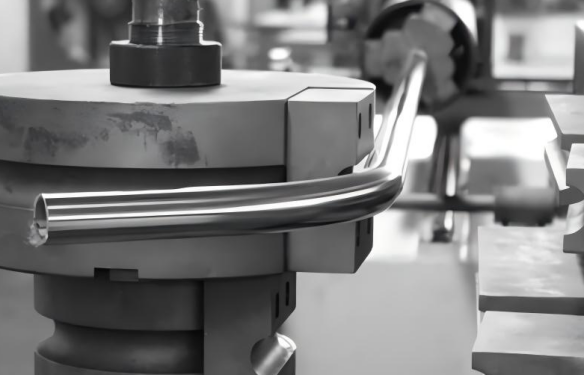
Rutinemessige vedlikeholdstips
Sjekk regelmessig justeringen av rørbøyehodet og kalibreringen av bakmåleren, spesielt for høy-nøyaktige deler.
Hold formene rene og smurt. Automatiserte verksteder har mye støv; å unnlate å rense dem kan føre til skraper på rørene eller glidning.
Tynnveggede rør må støttes av en bøyeform, og klemmekraften må justeres riktig for å forhindre deformasjon.
I robotikkfeltet er rørbøyemaskiner ikke sekundære; de utgjør snarere en nøkkelprosess som avgjør nøyaktigheten, vekten og påliteligheten til robotarmene. Å velge riktige materialer, kontrollere radiusen og sikre gjentagelighet er halvparten av slaget vunnet i prosjektet ditt for automatisering.

