




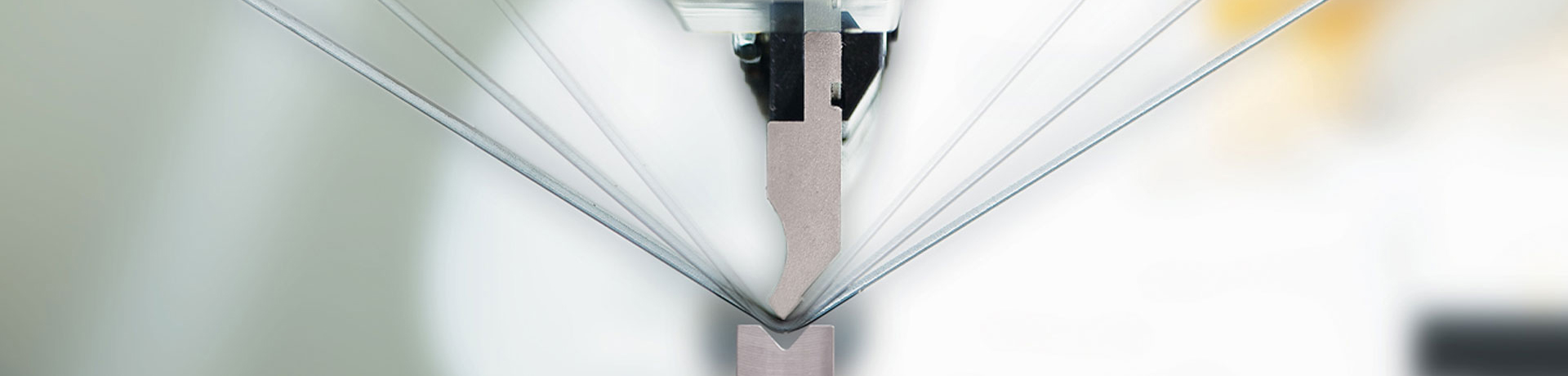
Spiegazione dettagliata del principio di funzionamento e delle aree di applicazione delle macchine per la curvatura di profili
Le macchine per la curvatura di profili sono attrezzature meccaniche utilizzate per lavorare profili metallici, acciaio e altri materiali, curvandoli nelle forme desiderate mediante processi specifici. Il loro principio di funzionamento prevede l’impiego di azioni meccaniche, quali trazione e piegatura, per ottenere una curvatura o una piega con un angolo specifico sotto l’azione della macchina. Sono ampiamente impiegate nei settori delle strutture metalliche, dell’edilizia, della produzione di macchinari, dell’industria automobilistica e della cantieristica navale.
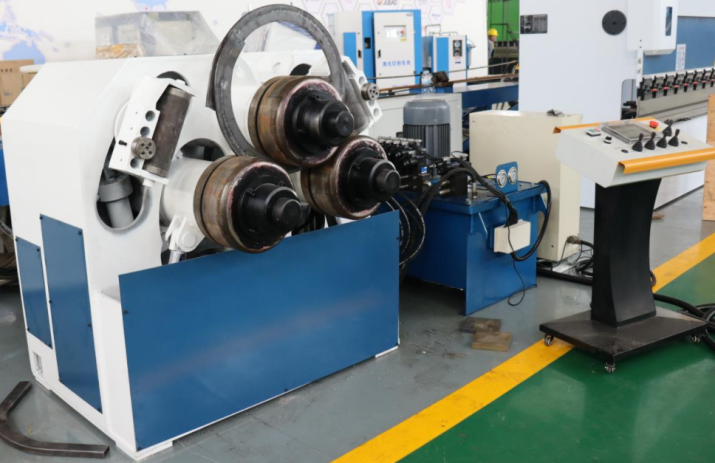
Principi di funzionamento delle macchine per la curvatura di profili:
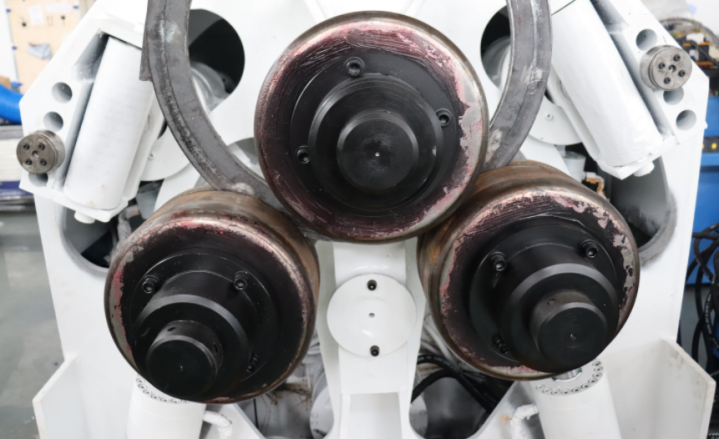
1. Flessione combinata con trazione: Utilizzando matrici di diverse forme e dispositivi di trazione, il profilo viene sottoposto a trazione durante il processo di flessione, assumendo gradualmente la forma desiderata sotto sollecitazione. Questo metodo è adatto per la lavorazione di materiali metallici e consente un controllo preciso dell’angolo e del raggio di flessione.
2. Formatura per flessione: Questo metodo utilizza principalmente un dispositivo di flessione installato sulla macchina, impiegando un braccio robotico o uno strumento di flessione per curvare il profilo lungo una specifica curva. Il suo funzionamento si basa prevalentemente sul momento torcente rotazionale per piegare gradualmente il profilo.
Applicazioni:
1. Settore edile: Nel settore edile, viene utilizzato per la produzione di strutture in acciaio, ponti e telai portanti per edifici. Queste strutture richiedono angoli e dimensioni di flessione precisi per garantire la sicurezza e la stabilità dell’intera struttura.
2. Produzione di macchinari: Nel settore della produzione di macchinari, viene utilizzato per la fabbricazione di componenti meccanici, come ingranaggi, alloggiamenti per cuscinetti e supporti. L’accuratezza di lavorazione di questi componenti influisce direttamente sull’efficienza operativa e sulla durata dei macchinari.
3. Industria automobilistica: Nel processo di produzione automobilistica, viene ampiamente impiegato nella realizzazione di telai carrozzeria, telai delle portiere, telai inferiori (chassis) e altri componenti. Il processo di piegatura di tali componenti richiede un’elevatissima precisione e attrezzature altamente precise.
4. Cantieristica navale: Nella costruzione navale, viene utilizzato per lavorare la struttura in acciaio dello scafo, le tubazioni, ecc. Poiché l’acciaio impiegato nelle navi è generalmente spesso e la struttura complessa, i requisiti di precisione nella piegatura e relativi al processo sono molto elevati, rendendo particolarmente importante la sua applicazione in questo settore.
5. Metallurgia e estrazione mineraria: Nel settore della metallurgia e dell’estrazione mineraria, viene utilizzato per lavorare grandi componenti metallici, come i sistemi di trasporto dei minerali e le strutture minerarie. La lavorazione di questi componenti richiede un’elevata resistenza meccanica e una buona resistenza alla corrosione; pertanto, precisione e stabilità sono particolarmente critiche.
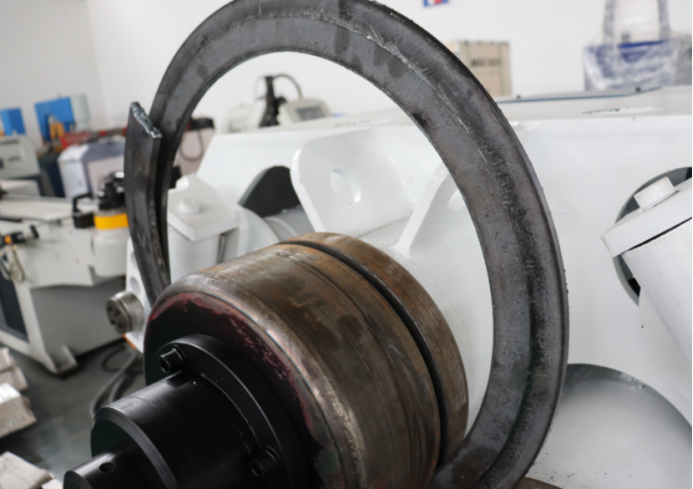
Caratteristiche tecniche delle macchine per la curvatura di profili:
1. Controllo ad alta precisione: Ogni fase di lavorazione è controllata con precisione tramite un sistema CNC, per garantire un elevato grado di uniformità nell’angolo di curvatura, nel raggio e nella qualità della curvatura. La sua precisione può raggiungere il livello del millimetro o anche superiore.
2. Elevata adattabilità: Può lavorare vari tipi di profili, tra cui tubi tondi, tubi quadrati, angolari, profilati a U, ecc., ed è in grado di gestire materiali metallici diversi e con spessori differenti.
3. Produzione ad alta efficienza: consente una produzione continua e un funzionamento automatizzato, migliorando notevolmente l’efficienza produttiva. Dotata di dispositivi automatici per l’alimentazione e il ricevimento dei pezzi, riduce l’intervento manuale e i costi di produzione.
4. Funzionamento semplice: dotata di un sistema di controllo intelligente, gli operatori devono semplicemente impostare i parametri per avviare la produzione, riducendo la complessità operativa e la probabilità di errori umani.
5. Elevata capacità di carico: il telaio ad alta resistenza e il sistema di azionamento avanzato consentono alla piegatrice di sopportare carichi elevati, rendendola adatta alla produzione industriale su larga scala.

