
Dalam konteks Industri 4.0, mesin shearing CNC menggantikan banyak mesin shearing mekanis konvensional. Namun, model CNC selanjutnya dibagi menjadi tipe guillotine dan tipe swing beam, sehingga banyak orang bingung memilih yang mana. Di bawah ini, kami akan menjelaskan perbedaan antara keduanya dari beberapa sudut pandang utama guna membantu Anda mengambil keputusan yang lebih tepat.
I. Prinsip Kerja
Pisau atas pada mesin shearing tipe swing beam dipasang tetap pada dudukan pisau, sedangkan pisau bawah dipasang tetap pada meja kerja. Dudukan pisau bergerak dalam lintasan busur mengelilingi sumbu tetap untuk menyelesaikan proses pemotongan.
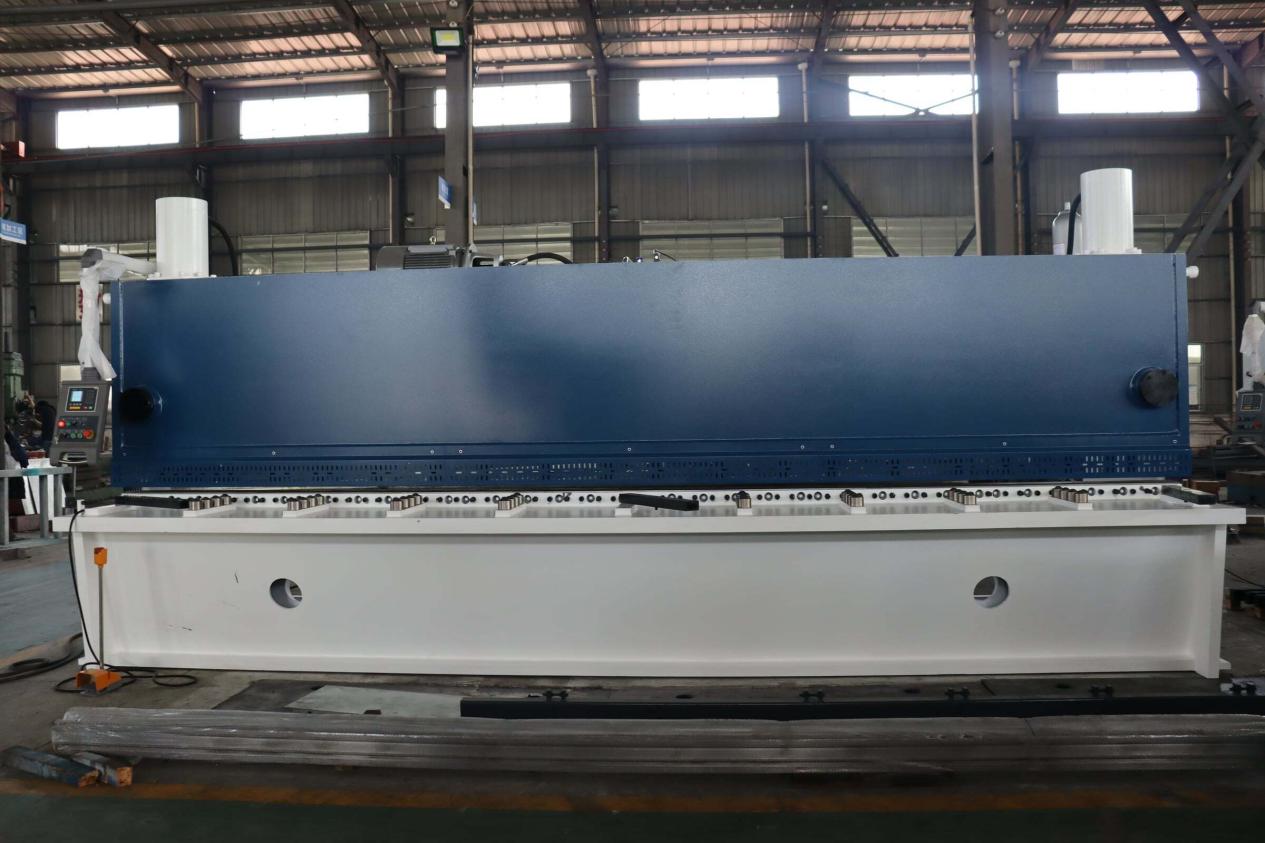
Silinder hidrolik mesin shearing tipe guillotine dipasang secara vertikal di kedua sisi mesin. Gerak naik-turun silinder menggerakkan dudukan pisau secara vertikal, sehingga melakukan pemotongan lurus pada lembaran logam.
Perbedaan prinsip ini secara langsung menentukan skenario penerapannya—mesin shearing tipe guillotine memberikan gaya pemotongan vertikal yang lebih langsung dan cocok untuk pelat tebal; sedangkan gerak busur mesin shearing tipe swing beam efisien untuk memotong pelat tipis.
II. Masa Pakai Pisau
Mesin shearing tipe swing beam memiliki 2 tepi pemotong pada pisau atas dan 4 tepi pemotong pada pisau bawah.
Mesin shearing tipe guillotine memiliki 4 tepi pemotong baik pada pisau atas maupun pisau bawah. Tepi pemotong tersebut dapat diganti, sehingga menghasilkan masa pakai yang lebih panjang.
Jumlah tepi pemotong secara langsung memengaruhi masa pakai bilah. Mesin gunting guillotine memiliki lebih banyak tepi pemotong yang dapat diganti, sehingga frekuensi penggantian bilah menjadi lebih rendah pada beban kerja yang sama dan masa pakai keseluruhan mesin menjadi lebih panjang.
III. Penyesuaian Celah Bilah
Gunting ayun dilengkapi mekanisme penyesuaian cepat secara manual, memungkinkan penyesuaian celah secara manual berdasarkan ketebalan pelat dan jenis material. Namun, sudut pemotongan dan celah akan berubah ketika dudukan bilah berputar.
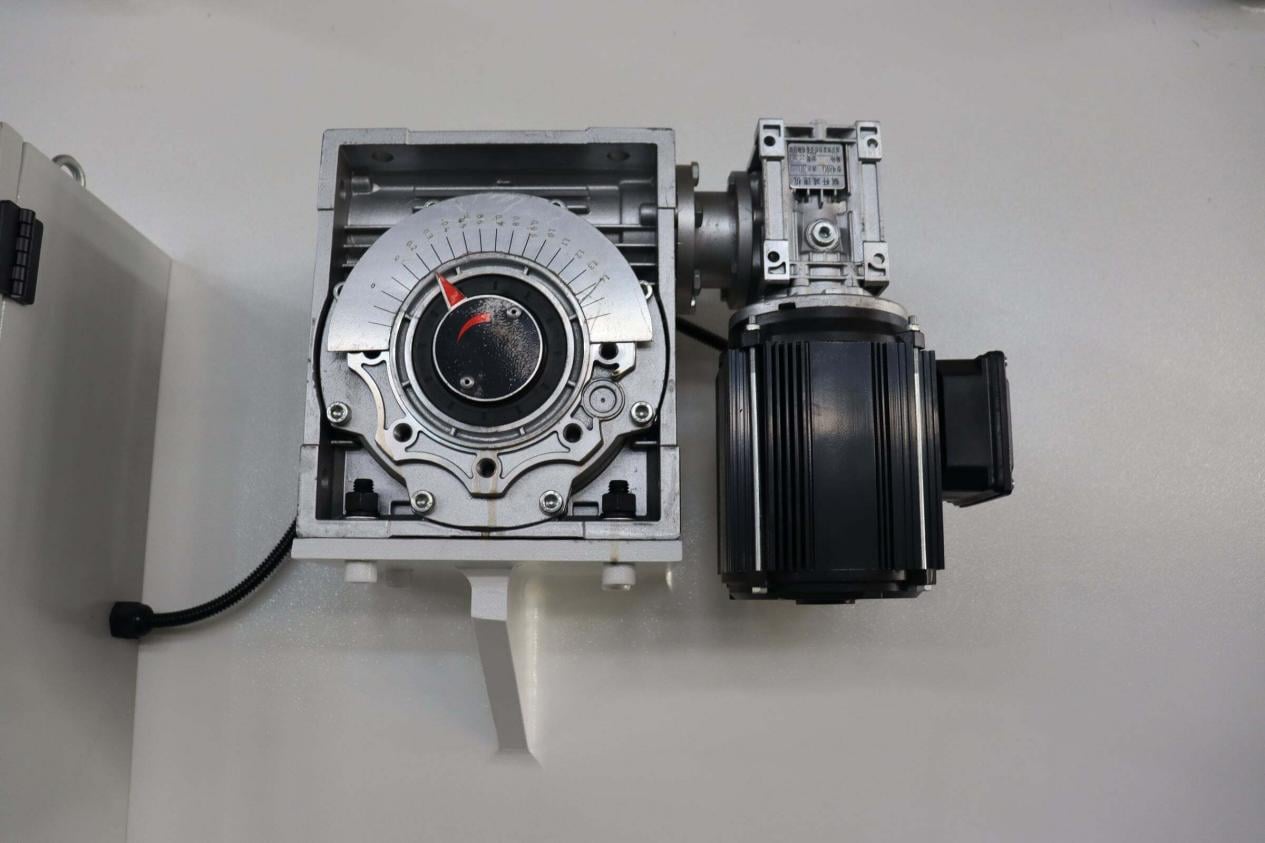
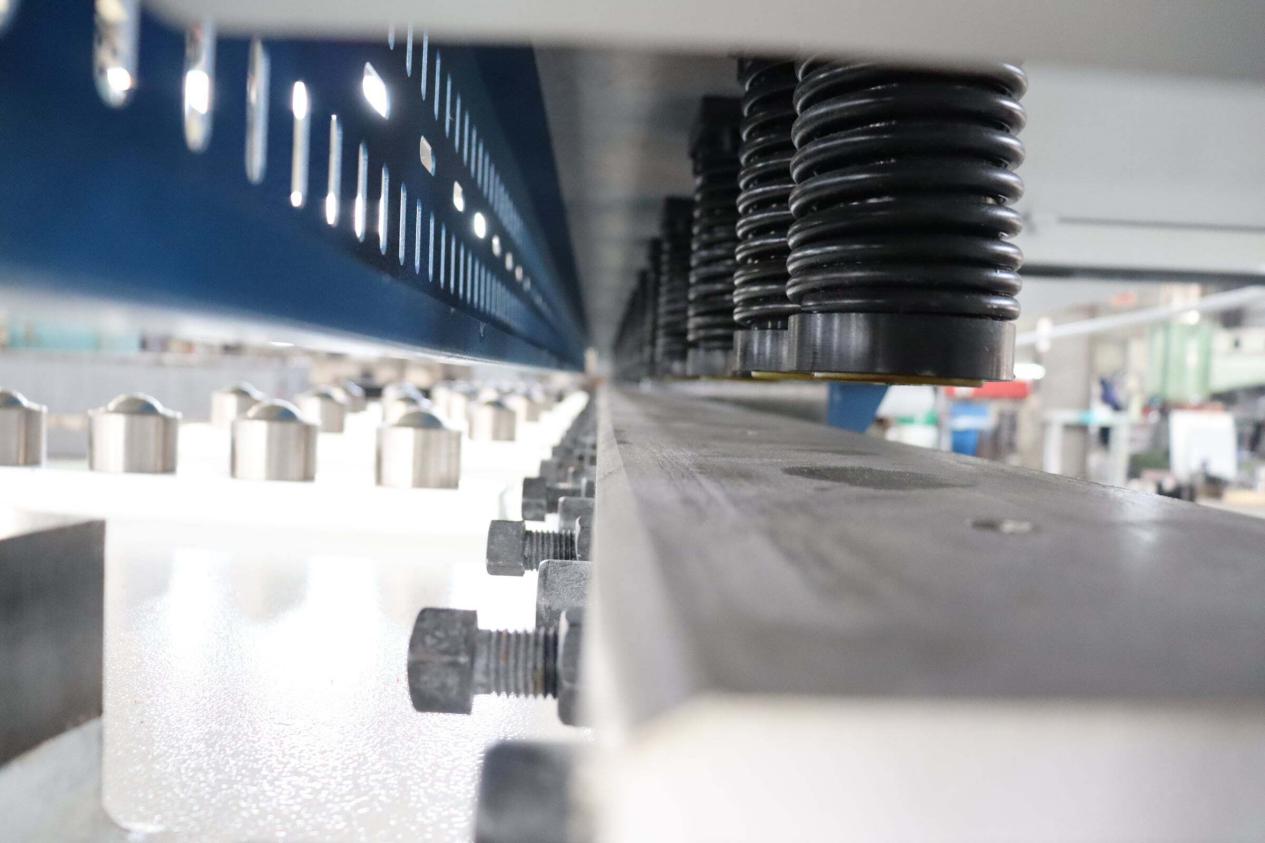
Gunting guillotine menggunakan struktur panduan rol tiga titik, dengan dudukan bilah bergerak tanpa backlash terhadap rel panduan atas dan bawah. Celah bilah disesuaikan secara elektrik melalui sistem, sehingga memberikan kenyamanan dan akurasi yang lebih tinggi.
Perbedaan antara penyesuaian manual dan elektrik sangat signifikan saat sering terjadi pergantian material. Penyesuaian elektrik menghemat waktu dan memungkinkan kontrol presisi yang lebih mudah.
IV. Penyesuaian Sudut Pemotongan
Sudut pemotongan dari mesin pemotong ayun tetap dan tidak dapat disesuaikan, sehingga membatasi rentang penerapannya serta membuatnya tidak cocok untuk pelat tebal.
Sudut pemotongan dari mesin pemotong guillotine dapat disesuaikan antara 0° hingga 2°, memungkinkan penyesuaian berdasarkan jenis bahan pelat yang berbeda, sehingga memberikan keunggulan jelas saat memproses pelat tebal.
Sudut pemotongan yang dapat disesuaikan berarti peralatan mampu beradaptasi dengan lebih banyak jenis dan ketebalan bahan pelat. Fungsi ini sangat berguna jika Anda memproses pelat dengan ketebalan yang bervariasi.
V. Pemrosesan dan Penggunaan
Celah pisau pada mesin pemotong pelat jenis ayun harus disetel secara manual, dan sudut pemotongannya tetap. Hasil pemotongan pada pelat tebal umumnya biasa saja. Keunggulannya terletak pada harganya yang rendah; jika persyaratan presisi tinggi tidak diperlukan dan ketebalan pelat berada dalam batas 8 mm, mesin ini dapat dipilih dari sudut pandang penghematan biaya.
Celah pisau pada mesin pemotong guillotine dapat disesuaikan secara elektrik, mencapai presisi dua kali lipat dibandingkan mesin pemotong beam ayun. Sudut pemotongan dapat disesuaikan, dan rangka las integral menjalani perlakuan penuaan getaran, sehingga menghasilkan kekakuan yang baik dan presisi tinggi. Untuk pelat dengan ketebalan lebih dari 8 mm, direkomendasikan menggunakan mesin pemotong guillotine karena prinsip kerja beam ayun membatasi presisi pemotongannya pada pelat tebal. Kelemahannya adalah biaya produksi dan harga yang lebih tinggi.
Singkatnya, pilih mesin pemotong beam ayun untuk pelat tipis dan anggaran terbatas; pilih mesin pemotong guillotine untuk pelat tebal serta kebutuhan presisi tinggi.
VI. Konfigurasi dan Sistem
Mesin pemotong beam ayun umumnya dilengkapi sistem E21S, yang mengatur langkah pengukur belakang dan langkah pisau, serta mampu menyimpan 40 program. Pemasukan bahan dari depan dan penopang belakang pneumatik bersifat opsional.
Selain E21S, mesin pemotong guillotine juga umumnya dilengkapi sistem seperti P40 dan DAC360S. Secara struktural, mesin ini sering dilengkapi motor servo. Saat menggunakan P40, tidak diperlukan sistem terpisah untuk pemberian bahan dari depan; P40 dapat langsung digunakan untuk operasi.
Sistem tipe gerbang atas menawarkan fleksibilitas yang lebih besar, dan kedua konfigurasi eksternal tersedia sebagai opsi.
VII. Rekomendasi Pembelian
Mesin pemotong pelat ayun cocok untuk memotong pelat tipis di mana presisi tinggi tidak diperlukan, serta relatif murah. Jika Anda hanya membutuhkan penggunaan rutin, memotong ketebalan kecil, operasi tidak sering, dan memiliki anggaran terbatas, mesin pemotong pelat ayun sudah memadai.
Mesin pemotong guillotine memiliki beragam aplikasi, memproses baja tahan karat, paduan aluminium, dan pelat paduan berkekuatan tinggi. Meskipun sedikit lebih mahal, mesin ini menawarkan nilai yang baik. Untuk memotong jumlah besar pelat tebal dengan persyaratan presisi tinggi, disarankan menggunakan mesin pemotong guillotine.
Keduanya dapat menangani pelat tipis, tetapi mesin pemotong pelat ayun mungkin tidak mampu melakukan semua hal yang dapat dilakukan mesin pemotong guillotine. Jika Anda belum yakin apakah di masa depan akan membutuhkan pemrosesan pelat tebal, sebaiknya pertimbangkan margin kesalahan yang cukup—membeli mesin berukuran terlalu kecil atau berfungsi tidak memadai akan mengakibatkan biaya penggantian jauh lebih tinggi di kemudian hari dibandingkan membeli mesin yang tepat sejak awal.
Berapa ketebalan lembaran logam yang paling sering Anda potong? Bahan apa saja yang akan Anda potong? Informasi ini akan membantu Anda menentukan model mesin yang paling tepat. Silakan berdiskusi.