
Պարզապես ասած՝ խողովակները ծռելու մեքենայի կառավարման պարամետրերը մեքենային տրվող գործողությունների հրահանգների համակարգ են: Ինչպես է այն շարժվում, որքան արագ է շարժվում և որտեղ է կանգնում՝ այս բոլորը որոշվում են այդ պարամետրերով: Սակայն ես շատ գործարաններ եմ տեսել, որոնք սարքավորումներն են գնում, մեկ անգամ սահմանում պարամետրերը և այդ հետո այդպես էլ չեն փոխում դրանք: Այդ պատճառով ծառայող խողովակները անհամասեռ են լինում, և նրանք ենթադրում են, որ խնդիրը ինքնից մեքենայում է:
Իրականում կառավարման պարամետրերը ստատիկ չեն. դրանք պետք է հարմարեցվեն նյութի, խողովակի տրամագծի, պատի հաստության և նույնիսկ շրջակա միջավայրի ջերմաստիճանի համաձայն: Ստորև ես համառոտել եմ սարքավորման ընթացքում հիշելու արժե մի քանի հիմնարար կետեր:
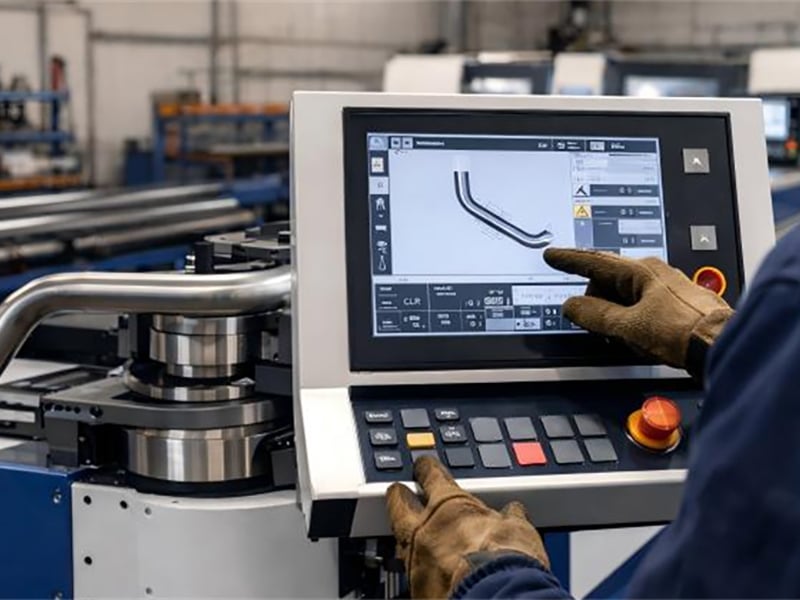
Նախ՝ համոզվեք, որ հիմնարար պարամետրերը ճիշտ են:
Հիմնական նյութի ծռման պարամետրերը առաջին բանն են, որը պետք է հաստատվի: Շղթայի տրամագիծը, պատի հաստությունը, ծռման շառավիղը և նյութի տեսակը՝ այս չորս արժեքները ուղղակիորեն որոշում են հետընկնող հարմարեցման և ծռման ուժի հաշվարկները: Եթե դրանք սխալ են մուտքագրված, նույնիսկ ամենաիմաստուն կառավարման համակարգը չի կարողանա ճշգրիտ հարմարեցման արժեքներ հաշվարկել, և ստացված ծռման անկյունը, ամենայն հավանականությամբ, սխալ կլինի:
Նյութը փոխելիս հատուկ ուշադրություն դարձրեք: Ածխածնային պողպատը և չժանգոտվող պողպատը ունեն զգալիորեն տարբեր հետընկնող արժեքներ, իսկ ալյումինը և պղինձը՝ տարբեր հատկություններ: Նույն պարամետրերի համակարգը, որը կիրառվում է տարբեր նյութերի վրա, կարող է տալ ամբողջովին տարբեր արդյունքներ:
Մատակարարման երկարությունը և պտտման կառավարումը պետք է ճիշտ կարգավորվեն:
Մետաղալարի բազմաթեք մասերի չափային ճշգրտությունը հիմնականում կախված է մուտքի երկարության և պտտման անկյան ճշգրտությունից: Եթե էնկոդերի հետադարձ կապը անճշգրտ է կամ սերվոհամակարգի լուծարումը բավարար չէ, սխալը կարող է չնկատվել առաջին թեքման ժամանակ, սակայն երրորդ և չորսրորդ թեքումների ժամանակ կուտակված սխալը կդառնա նկատելի:
Մուտքի արագությունը և արագացման/դանդաղեցման կորերը նույնպես պահանջում են համապատասխան ճշգրտում: Չափազանց արագ լինելու դեպքում մետաղալարը կսահի, իսկ չափազանց դանդաղ լինելու դեպքում կնվազի արդյունավետությունը: Համապատասխան հավասարակշռության գտնելը հնարավորություն կտա համակարգին ավելի հարթ աշխատել:
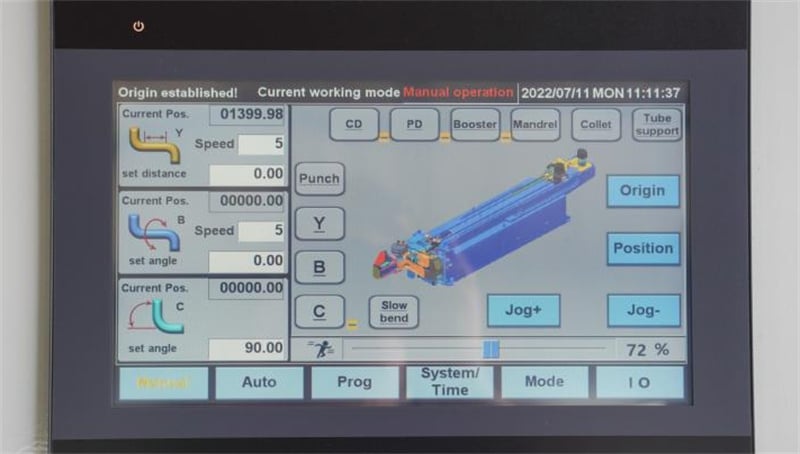
Թեքման արագության ճշգրտման կարևորությունը հաճախ թերագնահատվում է:
Շատ բարձր արագությունը խոչընդոտում է նյութի հավասարաչափ դեֆորմացիան, ինչը կարող է առաջացնել ճաքեր կամ խողովակի հատվածային դեֆորմացիա: Շատ ցածր արագությունը, թեև ապահովում է կայուն որակ, հանգեցնում է ցածր արտադրական ծավալի: Սովորաբար սկսում եմ փորձարկման ծակումը ցածր արագությամբ և աստիճանաբար մեծացնում այն մինչև կրիտիկական կետը, որտեղ որակի խնդիրներ են առաջանում, ապա փոքր-ինչ նվազեցնում եմ արագությունը՝ անվտանգության պաշտպանության համար:
Արագացման կորը նույնպես առաջնային նշանակություն ունի: Կորացման շարժման հարթ մուտքը զգալիորեն տարբերվում է սudden սկզբից, որը մեծ ազդեցություն է ունենում դիերի վրա և երկար ժամանակ անց ազդում է դրա աշխատաժամանակի վրա:
Անկյունային կալիբրումը և սայլակի վերադարձի հատուցումը խողովակների կորացման ընթացքում անհրաժեշտ քայլեր են:
Անկյունային կալիբրումը պետք է կատարվի յուրաքանչյուր անգամ, երբ փոխվում է նյութը կամ խողովակի տրամագիծը: Մեթոդը ներառում է նմուշ խողովակի կորացումը, անկյան իրական արժեքի չափումը անկյունաչափով և այնուհետև վերահաշվարկված արժեքի ճշգրտումը կառավարման համակարգում, մինչև իրական անկյունը համընկնի սահմանված անկյան հետ:
Այս քայլը չի կարելի բաց թողնել, ինչպես նաև չի կարելի հիմնվել ենթադրությունների վրա: Տարբեր սերիաների նյութերը կարող են ունենալ տարբեր վերականգնման արժեքներ. Յուրաքանչյուր նյութի փոխարինումից հետո իրական չափումը շատ ավելի հուսալի է, քան ենթադրությունները:
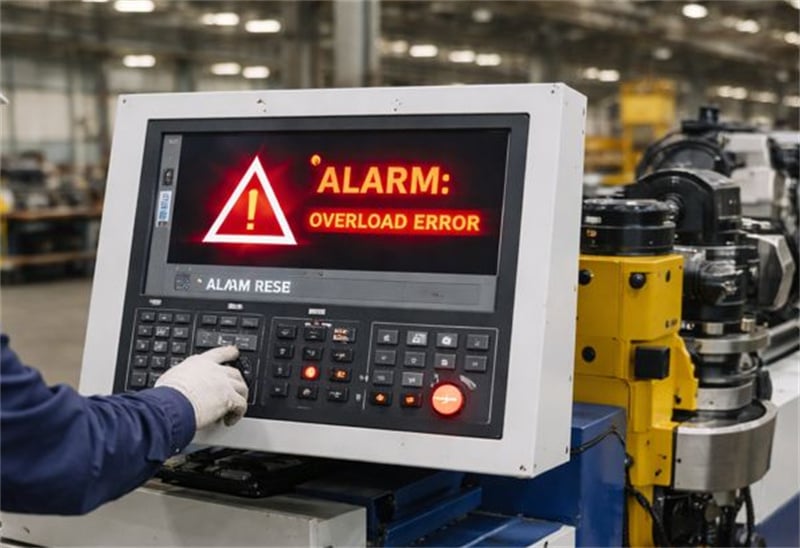
Բազմաառանցք համաժամանակեցումը կարևոր է բարդ խողովակների ծռման որակի համար:
Բազմաթիվ ծռումներ և պտույտներ պահանջող բարդ խողովակային մասերի դեպքում տարբեր առանցքների միջև համակարգումը կարևոր է: Եթե ծռման առանցքը շարժվում է մինչև պտտման առանցքը դիրքի մեջ լինելը կամ եթե մատակարարման առանցքի արագացման/դանդաղեցման կորերը չեն համապատասխանում մյուս առանցքների կորերին, ապա ծռված խողովակը կարող է վնասվել՝ ստանալ մակերեսային գծագրեր կամ չափսերի շեղումներ:
Յուրաքանչյուր առանցքի ռեակցիայի ժամանակի համատեղելիությունը ստուգելը և կառավարման սիգնալների համակարգումը հաստատելը հիմնարար մանրամասներ են, որոնք ուղղակիորեն ազդում են վերջնական արտադրանքի որակի վրա:
Հաճախ հանդիպող խնդիրներ և դրանց վերացման մոտեցումներ
**Անհամապատասխան անկյուններ.** Ստուգեք սպրինգբեքի հատուցման արժեքի և նյութի պարամետրերի ճշգրտությունը: Անհրաժեշտության դեպքում վերակարգավորեք անկյունը:
**Դադարավոր զգուշացումներ.** Դա կարող է կապված լինել չափից բարձր արագացման սահմանափակումների կամ սխալ պարամետրային սահմանների հետ: Փորձեք համապատասխանաբար նվազեցնել շարժման արագությունը:
**Ցածր կրկնվողություն.** Ստուգեք էնկոդերի հաղորդագրությունը և մեխանիկական հետընթացը: Մեկնարկի երկարության շեղումը կամ պտտման անհամապատասխանությունը կարող են առաջացնել այս խնդիրը:
Պահպանելու համար կարգավորումների կայունության մի քանի առաջարկություն.
Յուրաքանչյուր անգամ, երբ փոխում եք նյութերը կամ ձուլատեսակները, վերանայեք հիմնական պարամետրերը: Մի սպասեք, մինչև խնդիրներ առաջանան, որպեսզի հիշեք սա:
Պահեք ստուգված պարամետրերի պատճենը: Համակարգի վերակարգավորման կամ ծրագրային թարմացումների դեպքում դուք կարող եք դրանք անմիջապես վերականգնել:
Օպերատորների վերապատրաստման մեջ ներդրումները արժեքավոր են: Եթե օպերատորները հասկանում են պարամետրերի իմաստը և դրանց կարգավորման տրամաբանությունը, նրանք կարող են ինքնուրույն լուծել փոքր խնդիրները՝ առանց սպասելու սպասարկման անձնակազմի:
Վերջին հաշվով, խողովակները ծալելու սարքի կառավարման պարամետրերի կարգավորումը մեկ անգամ կատարվող գործընթաց չէ. Դա դինամիկ գործընթաց է, որը պահանջում է անընդհատ ճշգրտում՝ հիմնված իրական պայմանների վրա: Պարամետրերի ճիշտ կարգավորումը հանգեցնում է ճշգրիտ անկյուններով, կայուն չափսերով և լավ մակերեսային վերջավորմամբ խողովակների ստացմանը, ինչը բնականաբար նվազեցնում է մետաղական մասերի մերժման տոկոսը: Եթե արտադրության մեջ երբևէ հանդիպել եք որակի տատանումների՝ կառավարման պարամետրերի սխալ կարգավորման պատճառով, խնդրում ենք կիսվել ձեր խնդրի հայտնաբերման և լուծման մեթոդներով: