




Milyen előnyökkel járnak a csőhajlító gépek a gyártóiparban?
A csőhajlító gépek számos területen – például a légi- és űrkutatásban, az autógyártásban, a hajóépítésben és a bútoriparban – elengedhetetlen alapfelszereléssé váltak a csőfeldolgozás során. A hagyományos kézi csőhajlításhoz vagy egyszerű formahajlításhoz képest a modern csőhajlító gépek jelentős előnyöket mutatnak az efficiencia, a pontosság, az egyenletesség és az összetett alakítási képesség terén.
1. Magas pontosság és ismétlődőség
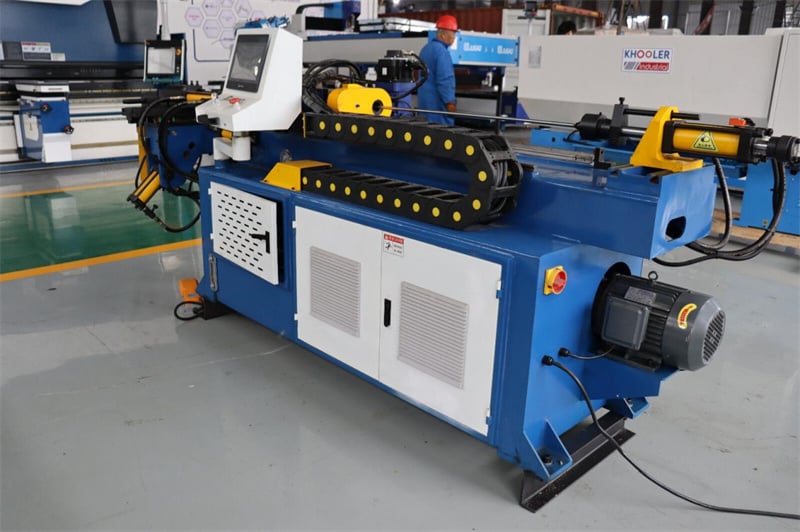
A modern csőhajlító gépek általában szervomotoros meghajtást és CNC számvezérelt vezérlőrendszert alkalmaznak, amelyekkel ±0,1°-os hajlítási szögpontosság érhető el, valamint rendkívül magas ismételhetőség a táplálási hossz és a forgatási szög pozicionálásában. A csövek azonos tételben történő alakításának konzisztenciája manuális működtetéssel vagy hagyományos berendezésekkel elérhetetlen. Ez különösen fontos tömeggyártási környezetekben, például autóipari fékcsövek, klímacsövek és ülépárnák gyártása esetén.
2. Komplex 3D csőalakok egylépcsős alakítása
Többtengelyes CNC csőhajlító gépek (általában YBC háromtengelyes vagy annál magasabb szintűk) egyszerre vezérelhetik a táplálási, forgatási és hajlítási tengelyeket, így könnyedén automatizálható a síkbeli hajlatok, térbeli háromdimenziós hajlatok és folyamatos többszörös hajlatok komplex csőalakjainak feldolgozása. Ez megszünteti a többszörös manuális befogási műveletek szükségességét, jelentősen lerövidítve ezzel a folyamatot és csökkentve a hibák felhalmozódását.
3. Vékonyfalú és kis sugárral történő hajlítási képesség
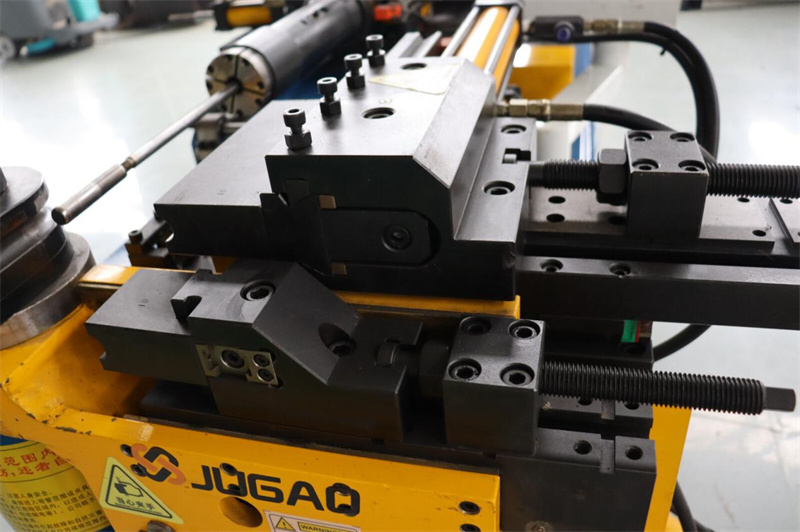
Golyós mandrellel, ráncmentesítő szerszámokkal és erősítő mechanizmusokkal felszerelt csőhajlító gépek képesek vékonyfalú csövek hajlítására R/D (hajlítási sugár / külső átmérő arány) ≤2 vagy akár ennél kisebb érték mellett is, így hatékonyan megelőzik a ráncokat, összeomlást és a külső fal túlzott elvékonyodását. Ez a képesség kritikus fontosságú az űrkutatási vezetékek és a könnyűsúlyú autóipari szerkezeti alkatrészek gyártása szempontjából.
4. Jelentősen javított gyártási hatékonyság
A teljesen automatizált csőhajlító gépek folyamatos táplálást, automatikus hajlítást és automatikus forgatást érnek el, ciklusidejük sokkal rövidebb, mint a kézi működtetésé. Az automatikus betápláló és kiválasztó robotokkal vagy csőtároló állványokkal együtt rugalmas, ember nélküli feldolgozó egységeket alkothatnak, lehetővé téve a 24 órás folyamatos termelést és jelentősen javítva az egész berendezés hatékonyságát.
5. Magas anyagkihasználás
A pontos adagolási szabályozás és a programozott tűréskezelés minimalizálhatja a csövek végén keletkező feldolgozási tűrést, csökkentve ezzel az anyagpazarlást. A drága csöveknél – például a rozsdamentes acélnál, a titánötvözeteknél és a réz-nikkel ötvözeteknél – ez az előny közvetlenül jelentős költségmegtakarítást eredményez.
6. Széles anyagalkalmazhatóság
A modern csőhajlító gépek alkalmasak szénacél, rozsdamentes acél, réz, alumínium, titánötvözetek és akár nagy szilárdságú acélcsövek feldolgozására is, átmérőjük néhány millimétertől több száz milliméterig terjed. A formák cseréjével és a folyamatparaméterek beállításával ugyanaz a berendezés különböző anyagok és méretek feldolgozási igényeit is kielégíti.
7. Folyamatfigyelés és minőségi nyomkövethetőség
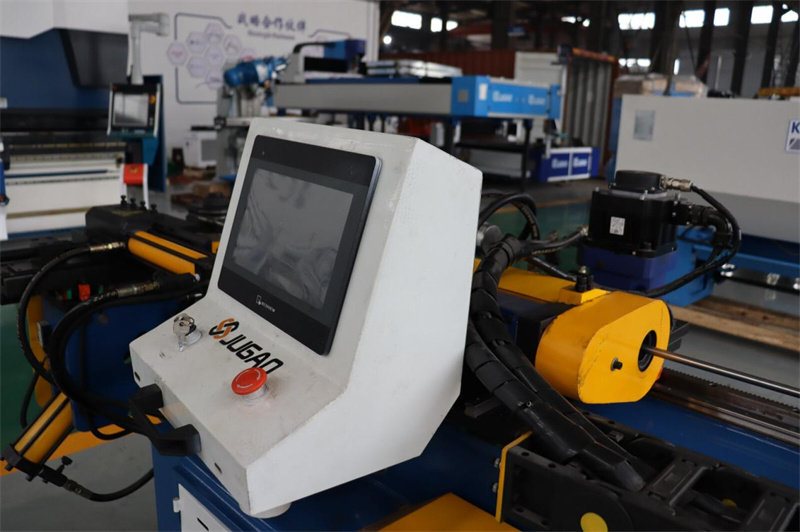
A felsőkategóriás CNC csőhajlító gépek intelligens funkciókkal vannak felszerelve, például valós idejű hajlítási szög-visszajelzéssel, terhelésfigyeléssel és szerszámkészlet-élettartam-kezeléssel. Az összes feldolgozási adat feltölthető a gyártási végrehajtási rendszerbe (MES), így biztosítva a termékminőség teljes folyamatú nyomon követhetőségét, és megfelelve az űrkutatási és orvosi eszközök iparágaihoz támasztott szigorú megfelelési követelményeknek.
8. Csökkentett függőség az operátorok szakértelmétől
A hagyományos kézi csőhajlítás erősen támaszkodik a műszaki szakemberek tapasztalatára, és a személyzeti forgalom közvetlenül befolyásolja a termékminőség stabilitását. A CNC csőhajlító gépek folyamatparaméterei a programban rögzítettek; az operátoroknak csak a betöltés, kiszedés és a programhívás elvégzése szükséges, ami jelentősen csökkenti a szakmai előképzettséggel szemben támasztott követelményeket, és biztosítja a konzisztens és stabil termékellátást.
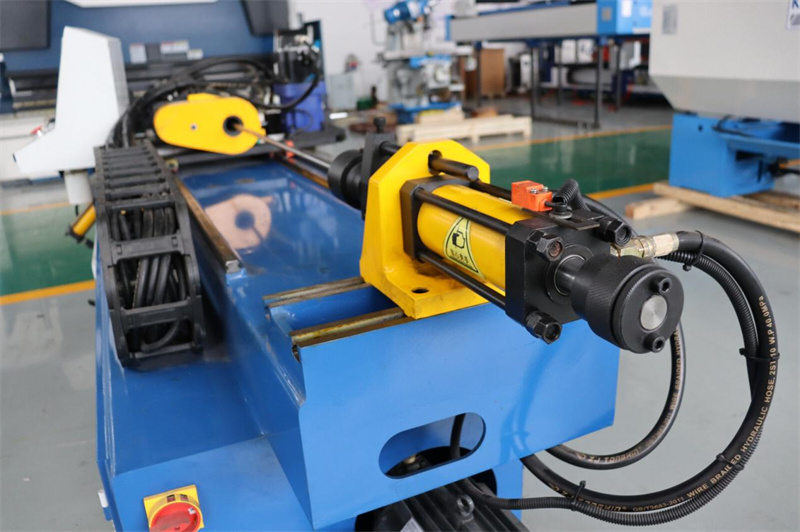
9. Csökkentett utólagos folyamatok
A magas minőségű csőhajlítás közvetlenül csökkentheti vagy akár megszüntetheti a későbbi egyenesítési és formázási folyamatokat. Egyes berendezések továbbá összetett funkciókat is integrálnak, például végformázást, lyukasztást és vágást, így elérve a „többfolyamatos integrációt”, és tovább csökkentve a gyártási ciklust.

