A csőhajlító gép szállítási ideje talán nem tűnik nagy ügynek, de biztosan nem elhanyagolható. Valaha már előfordult Önnek ilyen helyzet: a berendezés két héttel később érkezik, mint amire számított, és ezzel teljesen felborul az egész projekt ütemterve? A munkások állnak, a vásárlók folyamatosan frissítést kérnek, és a következő hegesztési, összeszerelési és festési folyamatokat is el kell halasztani. Az eredetileg kiszámított profit jelentős részét egyedül az túlórák díja emészti fel.
A csőhajlító gép szállítási ideje közvetlenül befolyásolja a termelési ritmust és a pénzforgalmat.
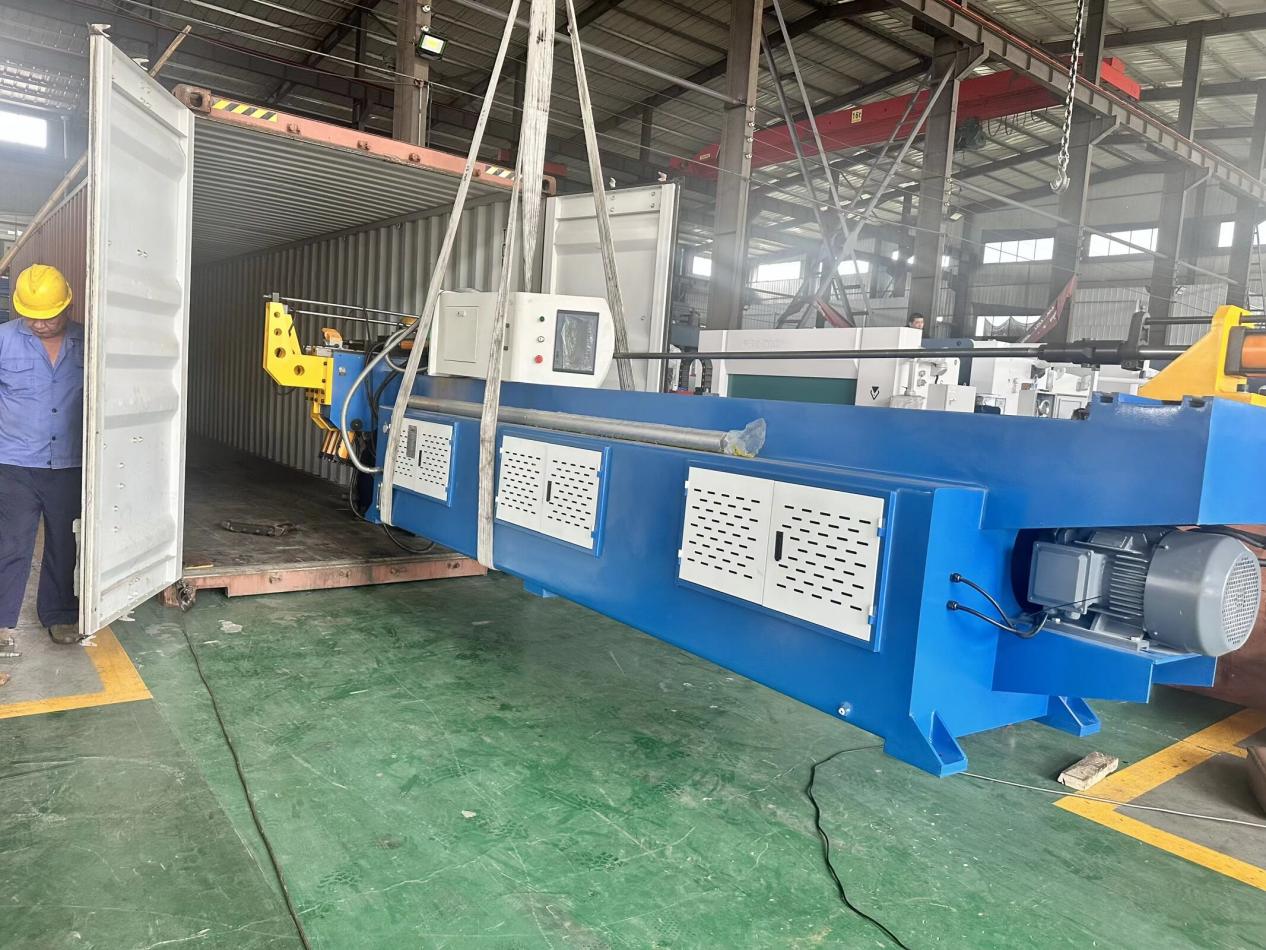
Ha nincs meg a berendezés, a termelési terv értelmetlen.
Egy gyártósoron minden összefügg egymással. Ha például a csőhajlító gép késik, mint előző folyamat, akkor a következő hegesztési, felületkezelési, összeszerelési és szállítási időpontok is érintettek lesznek. Egyetlen lépés késése az egész gyártósor újraütemezését igényli. Bizonyos előkészítő munkákat elvégezhetsz a hegesztő- vagy vágóberendezés megérkezése előtt, de a csőhajlító gép nélkül a következő folyamatok alapvetően nem folytathatók zavartalanul.
Ezen felül a szállítási késések nemcsak saját gyártásodat, hanem ügyfeleidet is érintik. Ha szállítási határidőt vállaltál, és a berendezés késik, akkor a szállítási határidőt is el kell halasztanod, ami megingatja az ügyfelek bizalmát. Hosszú távon a negatív hatás nagyobb, mint amit elképzelhetsz.
Minél hosszabb ideig van lekötve a tőke, annál nagyobb a pénzforgalmi nyomás.
A csőhajlító gépek nem kis költséget jelentenek. A pénz már kifizetésre került, de a berendezés még nem érkezett meg, így a forgóeszközök lekötött állománya megakadályozza a bevétel generálását. Ez a nyomás különösen erősen érződik a kis- és közepes vállalkozásoknál (KKV-knál) – a berendezésbe történő befektetés nagy mennyiségű likviditást köt le, és a gyártás késése hosszabb megtérülési időt eredményez. A szállítási határidők előzetes ismerete és a fizetési ütemtervek tervezése enyhítheti a forgóeszköz-problémákat.
Milyen tényezők befolyásolják a szállítási időt?
A gép konfigurációja egyik fő tényező. A szabványos modellek általában rövidebb szállítási időt igényelnek, mivel a alkatrészek és a tervek készen állnak. Ha azonban testreszabásra van szükség – például speciális formák, további tengelyek vagy nem szabványos vezérlőrendszerek – akkor további mérnöki tervezésre, tesztelésre és minőségellenőrzésre van szükség, ami természetesen meghosszabbítja az időt.
A szállító gyártási terhelése szintén befolyásolja a szállítási ciklust. Csúcsidőszakokban vagy rendelési visszamaradás esetén akár a szabványos modellek is gyártási sorba kerülhetnek. A szállító tényleges kapacitásának és gyártási ütemtervének megértése segít reális elvárások kialakításában.
Vannak továbbá szállítási és logisztikai problémák is. A belföldi szállítás viszonylag egyszerű, de az importált berendezések esetében maga a tengeri szállítás és a vámkezelés időt igényel. A kiköthelyek torlódása, a hajózási késések és a vámellenőrzések mind olyan tényezők, amelyeket nem lehet ellenőrizni. Sokan nem rendelkeznek elegendő rugalmassággal ezek kezelésére, ami projektkésésekhez vezet.
Hogyan csökkenthető a szállítási idő hatása:
Rendelés leadása előtt erősítsük meg a szállítóval a gyártási és szállítási dátumokat, és kérjünk írásbeli megerősítést.
Ha a projekt időérzékeny, kérdezze meg a szállítót, hogy van-e raktáron bármelyik kész vagy majdnem kész modell. Bár esetleg nem rendelkeznek pontosan az Ön által kívánt konfigurációval, ez legalább lehetővé teszi a gyártás megkezdését, és később további specializált berendezéseket is hozzáadhat.
A projekttervbe foglalja be a telepítés, üzembe helyezés és képzés idejét is. A berendezés megérkezése nem jelenti azt, hogy azonnal használható lenne; a kirakodás, elhelyezés, bekötés, vízszintezés és próbafuttatás mind szükséges lépések, amelyek időt és munkaerőt igényelnek.
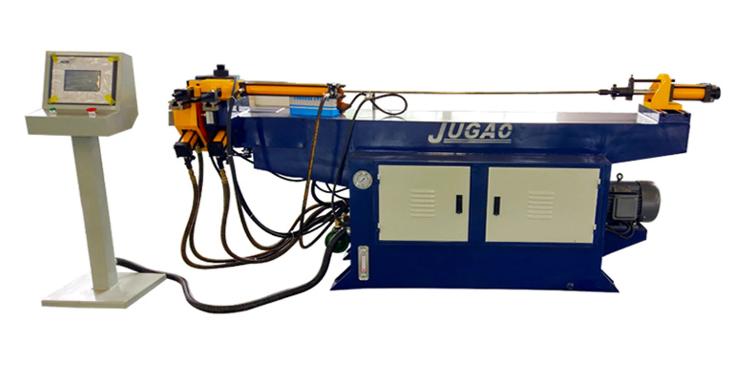
Végül előre be kell építenie a szállítási időt.
Ez nemcsak a berendezés megérkezésének napját érinti, hanem egy sor további gyártási tevékenységet is. Mekkora súlyt tulajdonít a csőhajlító gép szállítási idejének a vásárlási döntéseiben? Találkozott már valaha különösen nehéz helyzettel szállítási késések miatt?