





Koje su ključne točke električne veze stroja za savijanje cijevi?
Mnoge mašine za savijanje cijevi ne rade ispravno - stalno se javljaju alarmi, povremeno se pojave problemi ili čak ne mogu pokrenuti nakon montaže - u godinama iskustva sam shvatio da pravi uzrok često nije mehanički problem, već pogrešno električno ožičenje. Ako želite razumjeti kako pravilno povezati i upravljati električnim sustavom mašine za savijanje cijevi, došli ste na pravo mjesto. U ovom ću članku razmotriti ključne korake električnih spojeva, objasniti zašto je svaki korak presudan i kako izbjeći uobičajene pogreške koje mogu dovesti do skrivenih problema, osiguravajući sigurnost, točnost i trajnost stroja.
Naučite osnovne električne veze za strojeve za savijanje cijevi
U skladu s tim, u skladu s tim se navode i primjeri za primjenu u proizvodnji i distribuciji električnih priključaka za strojeve za savijanje cijevi. Pravilno obavljanje ovih zadataka temeljni je preduvjet za glatko servo kretanje, precizne kutove savijanja i pouzdane CNC sustave.
U skladu s člankom 5. stavkom 1.
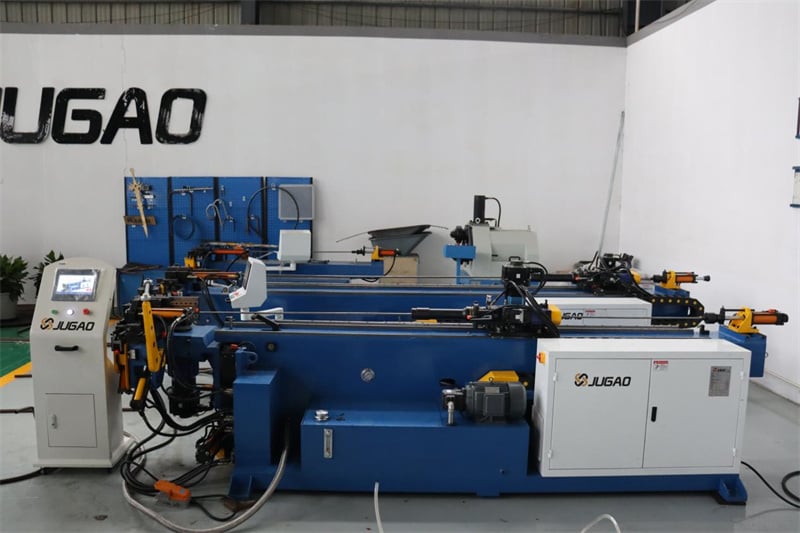
Prije spajanja kablova uvijek se provjeri jesu li napona i frekvencija napajanja radionice u skladu s nazivom stroja. U skladu s člankom 3. stavkom 1. točkom (a) ovog članka, "sistem za obnavljanje cijevi" znači sustav za obnavljanje cijevi koji je opremljen s električnim sustavom za obnavljanje cijevi. Posljedice nesukladnosti napona uključuju kvar pretvarača, servo alarme i pregrijavanje električnih komponenti.
Izbor odgovarajuće veličine kabla i kapaciteta.
Izbor kabla ključan je aspekt električnih veza za strojeve za savijanje cijevi. Nedovoljno veliki kablovi mogu dovesti do pada napona, nestabilnog rada ili često se povlače tijekom operacija savijanja s velikim opterećenjem. Preporučujem odabir kabla za napajanje na temelju nominalne struje stroja i omogućavanje sigurnosne marže za rukovanje vrhunskim opterećenjima.
U slučaju da je to potrebno, mora se upotrebljavati sustav za obnavljanje cijevi.
Pravilno uzemljenje je jedan od najlakše zaboravljenih aspekata električnih veza u stroju za savijanje cijevi, ali je jedan od najvažnijih aspekata za osiguravanje sigurnosti i stabilnosti kontrole.
Zašto je uzemljenje ključno za CNC strojeve za savijanje cijevi?
Zaštita osoblja i stabilnost opreme ovisi o pouzdanosti sustava za uzemljivanje. Dobro uzemljenje može spriječiti nesreće s udarom strujom i učinkovito potisnuti električnu buku koja ometa CNC upravljače i servo pogone; loše uzemljenje može lako dovesti do abnormalnosti kao što su nasumični alarmi, komunikacijske pogreške i nestabilno pozicioniranje osi.
Kako provesti učinkovito prizemljenje
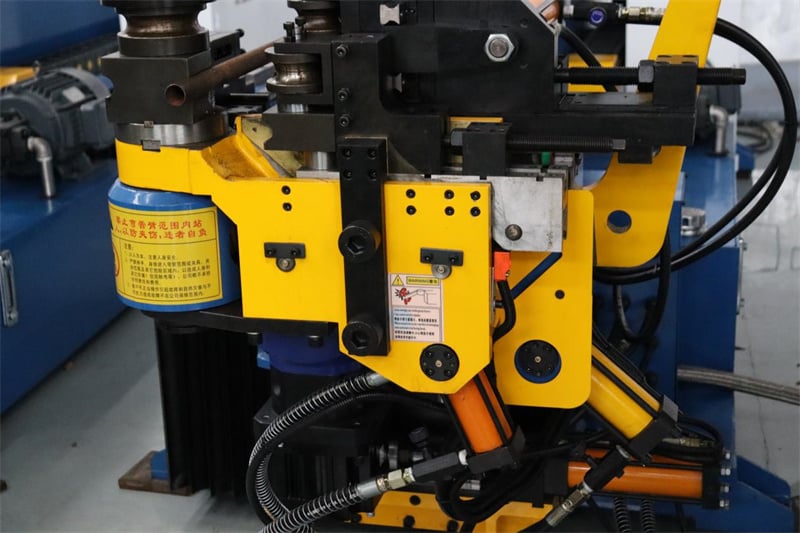
Pri uzemljivanju treba uzeti u obzir dvije stvari: prvo, uzemljujući terminal stroja treba biti izravno povezan s posebnom uzemljujućom točkom s niskim otporom; drugo, izbjegavajte dijeljenje uzemljivanja s visoko snažnom opremom kao što su mašine za zavarivanje kako bi se spriječ
Uređaji za upravljanje i signalizacija
Osim glavnog napajanja, Tube Bender Electrical Connection uključuje i upravljačko krug unutar električnog ormara.
Sastavljanje električne i upravljačke žice
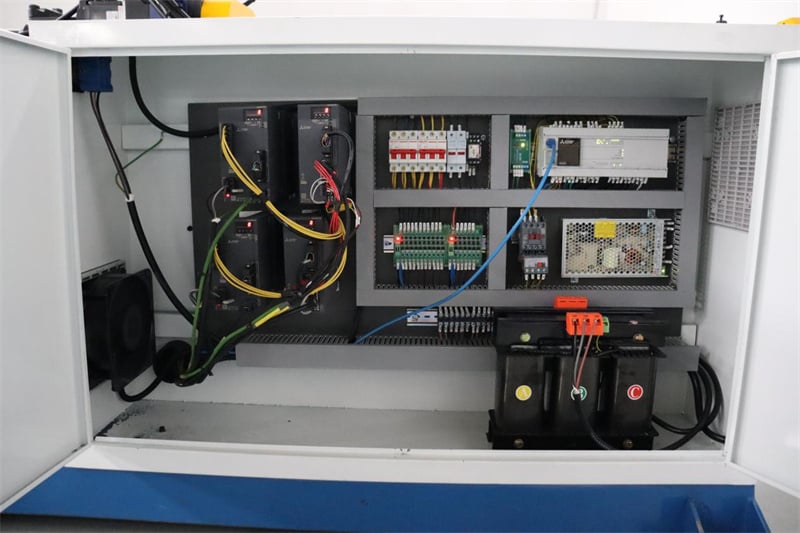
Moj princip ožičenja je da se električne i signalne linije moraju strogo razdvojiti. Elektromagnetska smetnja koju prenose električne linije može ometati signale kodera i CNC komunikaciju; odvojenost linija osigurava stabilnost sustava i točnost savijanja.
Provjerite čvrstoću i oznake.
Električne kvarove često uzrokuju labavi terminali. U slučaju da se ne primjenjuje, ne smijete stavljati na površinu. To poboljšava pouzdanost i olakšava brzo i sigurno rješavanje problema kasnije.
Zaštitna sredstva i mjere električne sigurnosti
Za sve uređaje za savijanje cijevi potrebno je osigurati odgovarajuće zaštitne uređaje kako bi se osigurala sigurnost stroja i rukovodioca.
S druge strane, za zaštitu od prekršaja
Sredstva za zaštitu od kratkog spoja i rizika od pretjerane struje U slučaju da se ne primjenjuje presjek, mora se provjeriti da je to u skladu s tehničkim zahtjevima.
U slučaju da se vozilo zaustavi u hitnoj situaciji, mora se provjeriti:
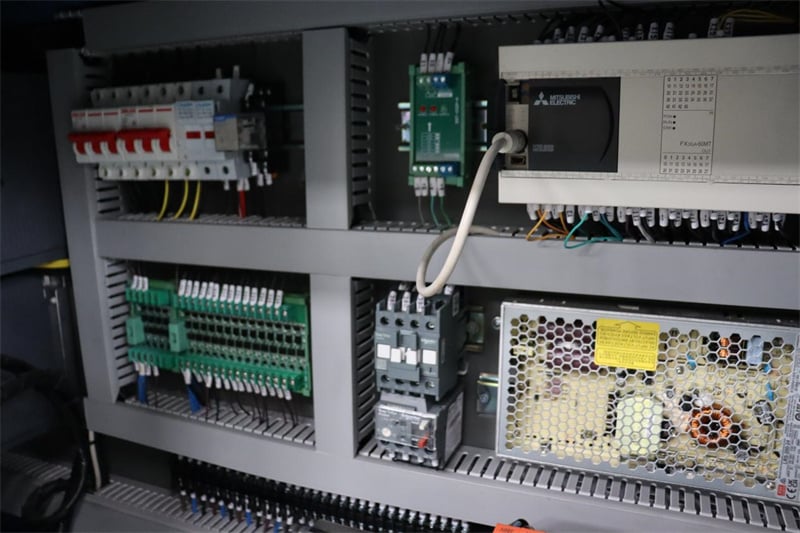
U slučaju da se ne provede ispitivanje, mora se provjeriti da je sustav za zaustavljanje u slučaju nužde ispravno ožičen i da je ispitani tijekom faze priključenja na električnu energiju. Pouzdano sigurnosno kolo može osigurati da se stroj odmah zaustavi u slučaju abnormalnosti ili hitne situacije.
Električni kontrolni popis prije pokretanja
Prije nego što pokrenem novu mašinu za savijanje cijevi, uvijek provjerim električni sustav.
Provjeriti slijed faze i smjer rotacije
Ako se faza ne pokrene u ispravnom redoslijedu, motor i hidraulička pumpa mogu se okretati u suprotnim smjerovima. Ova jednostavna provjera može spriječiti ozbiljne štete tijekom početne faze pokretanja.
Ispitivanja izolacije i električne stabilnosti
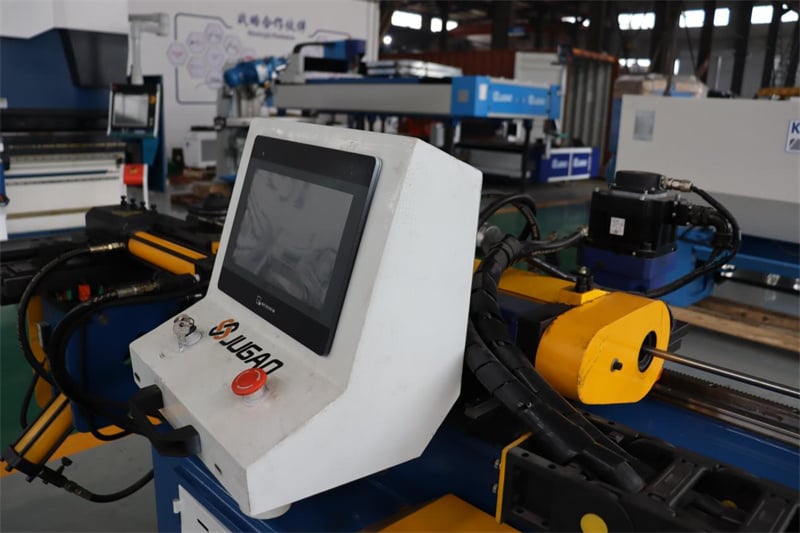
Ispitivanje otpornosti izolacije važna je metoda za provjeru dobrog stanja kablova i električnih komponenti. Ako se u stanju nenaponašanja napona ne smanji, to znači da su električne veze stroja za savijanje cijevi spremne za puštanje u rad.
Izbjegavajte uobičajene greške u vezi s električnim napajanjem
Tijekom godina, otkrivao sam neke ponavljajuće greške u električnim spojevima strojeva za savijanje cijevi.
Koristi zajedničku snagu
Dijeljenje napajanja s teškom opremom može lako dovesti do fluktuacija napona i nestabilnog rada. Posebno napajanje je sigurniji izbor.
Ne slušaj električne uputstva proizvođača
Svaki stroj za savijanje cijevi ima svoje specifične električne zahtjeve. Ignoriranje tih specifikacija često dovodi do ponavljajućih alarma, skraćenih životnih vijeka komponenti i nepotrebnog vremena zastoja.

