




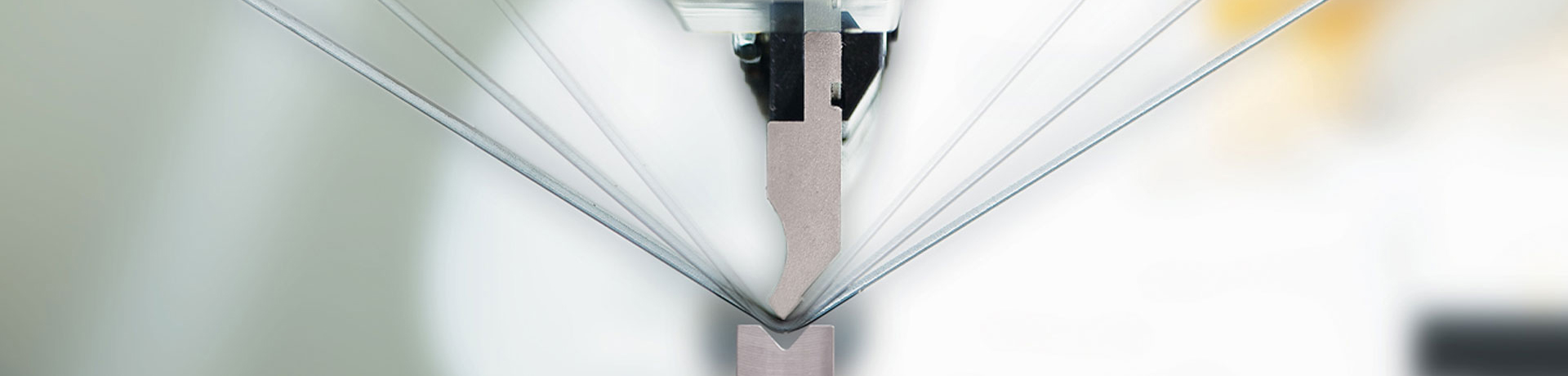
सार्वत्रिक प्लेट रोलिंग मशीनों के विविध अनुप्रयोग
तीन-रोल प्लेट रोलिंग मशीनों को नियंत्रण तंत्र के आधार पर वर्गीकृत किया जा सकता है: निश्चित-बिंदु नियंत्रण, एनसी डिजिटल प्रदर्शन नियंत्रण और सीएनसी संख्यात्मक नियंत्रण।
तीन-रोल प्लेट रोलिंग मशीनों को संचरण के आधार पर यांत्रिक और हाइड्रोलिक के रूप में वर्गीकृत किया जा सकता है; और ड्राइव तंत्र के आधार पर पूर्णतः संचालित और आंशिक रूप से संचालित के रूप में।
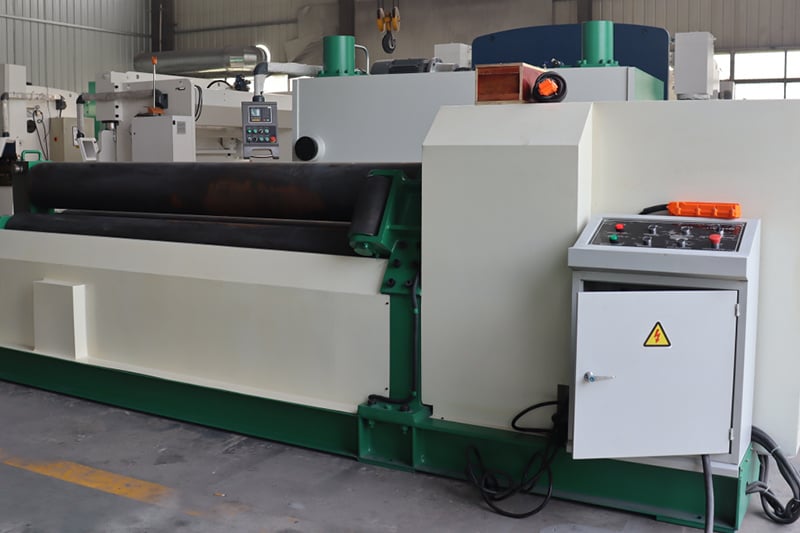
तीन-रोल प्लेट रोलिंग मशीनों को संरचना के आधार पर ऊर्ध्वाधर और क्षैतिज में वर्गीकृत किया जा सकता है।
तीन-रोल प्लेट रोलिंग मशीनों को कार्य के आधार पर पूर्व-वक्रता वाली और पूर्व-वक्रता रहित मशीनों में वर्गीकृत किया जा सकता है।
पूर्व-वक्रता क्षमता वाली मशीनों में शामिल हैं: असममित तीन-रोल प्लेट रोलिंग मशीनें, शीर्ष-रोल सार्वत्रिक तीन-रोल प्लेट रोलिंग मशीनें, क्षैतिज रूप से समायोज्य तीन-रोल प्लेट रोलिंग मशीनें, वक्र-रोल समायोज्य तीन-रोल प्लेट रोलिंग मशीनें, और झुके हुए-रोल समायोज्य तीन-रोल प्लेट रोलिंग मशीनें। इनका उपयोग मुख्य रूप से ३ मिमी या उससे कम मोटाई की प्लेटों को रोल करने के लिए किया जाता है।
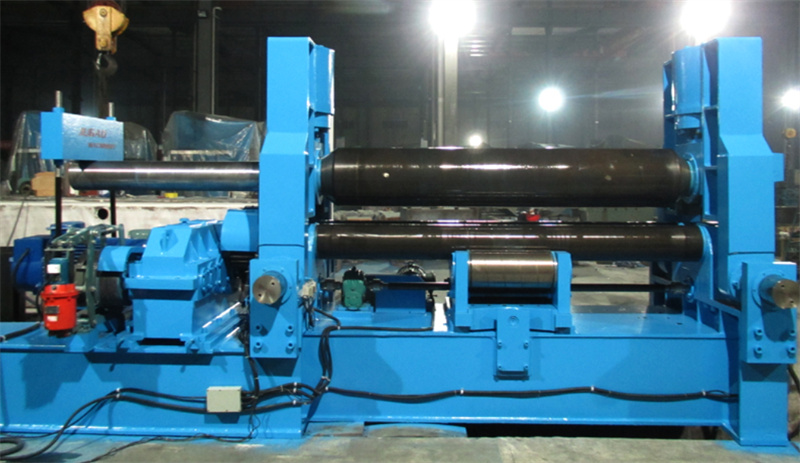
शीर्ष-रोल सार्वत्रिक तीन-रोल प्लेट रोलिंग मशीनों का उपयोग मुख्य रूप से ३ मिमी या उससे कम मोटाई की प्लेटों को रोल करने के लिए किया जाता है। यह संरचना एक पुराना जापानी मॉडल है; दो निचले रोल स्थिर स्थिति में होते हैं, जबकि ऊपरी रोल ऊपर, नीचे, बाएँ और दाएँ गति कर सकता है। १९९० के दशक में नानटोंग में प्रवेश कराई गई इस प्रकार की मशीन की कीमत कम है, इसमें पूर्व-वक्रता क्षमता है, और इसका व्यापक रूप से उपयोग किया जाता है।
क्षैतिज रूप से समायोज्य तीन-रोल प्लेट रोलिंग मशीन का उपयोग मुख्य रूप से ३० मिमी से अधिक मोटाई की प्लेट्स को रोल करने के लिए किया जाता है। यह एक जापानी मॉडल भी है, जिसे १९८० के दशक में चांगझ़ी फॉर्जिंग प्रेस में पेश किया गया था। दो निचले रोल्स क्षैतिज रूप से समूह में स्थानांतरित होते हैं, जबकि ऊपरी रोल ऊर्ध्वाधर रूप से स्थानांतरित होता है। यह मॉडल स्थिर है और मध्यम-मोटी प्लेट्स के पूर्व-मोड़ने (प्री-बेंडिंग) और रोलिंग के लिए उपयुक्त है। इस सदी की शुरुआत में, चांगझ़ी जुक्सिंग फॉर्जिंग प्रेस ने इस डिज़ाइन पर आधारित एक इतालवी मॉडल को पेश किया, जिसमें दोनों निचले रोल्स को अलग-अलग क्षैतिज रूप से स्थानांतरित किया जा सकता है। यह संरचना मुख्य रूप से तीन-रोल पूर्णतः संचालित होती है। कुछ निर्माता ऐसी मशीनें भी बनाते हैं जिनमें दो निचले रोल्स संचालित होते हैं और ऊपरी रोल निष्क्रिय होता है।
वक्राकार नीचे की ओर समायोज्य तीन-रोल प्लेट रोलिंग मशीन एक स्वीडिश मॉडल है, जिसे 1990 के दशक में चांगझी में पेश किया गया था और यह मध्यम-पतली प्लेटों के पूर्व-मोड़ने और रोलिंग के लिए उपयुक्त है। इस मॉडल में, ऊपरी रोल स्थिर स्थिति में होता है, जबकि निचले रोल ऊपरी रोल की ओर वक्राकार पथ के अनुदिश स्वतंत्र रूप से गति करते हैं। इसमें पूर्व-मोड़ने के दौरान छोटा सीधा किनारा होता है, संचालन लचीला है, कोई निष्क्रिय स्ट्रोक नहीं होता है और दक्षता उच्च होती है। ड्राइव एक तीन-रोल पूर्ण ड्राइवन सिस्टम है।
तिरछी नीचे की ओर समायोज्य तीन-रोल प्लेट बेंडिंग मशीन एक फ्रांसीसी मॉडल है, जिसे इस सदी की शुरुआत में चांगझी जुक्सिंग फॉर्जिंग और प्रेसिंग कंपनी द्वारा पेश किया गया था। यह मॉडल चार-रोल मशीन का विकल्प है। ऊपरी रोल स्थिर स्थिति में होता है, जबकि दो निचले रोल गाइड ग्रूव के अनुदिश ऊपरी रोल की ओर रैखिक रूप से चलते हैं। इस मॉडल में सटीक संचालन और वक्र नीचे की ओर समायोज्य प्रकार की तुलना में उच्च सटीकता होती है। यह छोटे आकार के पूर्व-मोड़े गए सीधे किनारे का उत्पादन करता है। दो निचले रोलों के बीच की केंद्र दूरी परिवर्तनशील होती है। इसकी रोलिंग सीमा विस्तृत होती है और यह छोटे व्यास की रोलिंग को आसानी से प्राप्त करता है। इसमें पूर्ण तीन-रोल ड्राइव की सुविधा भी होती है, जो रोलिंग के दौरान फिसलन को रोकती है। यह मध्यम और भारी प्लेटों के लिए उच्च लागत-प्रभावशीलता प्रदान करता है।
पूर्व-मोड़ के बिना मशीनें आमतौर पर सममित ऊपर की ओर समायोज्य तीन-रोल प्लेट बेंडिंग मशीनें या ऊर्ध्वाधर नीचे की ओर समायोज्य तीन-रोल प्लेट बेंडिंग मशीनें होती हैं।
सममित ऊर्ध्वाधर रूप से समायोज्य तीन-रोल प्लेट बेंडिंग मशीन की संरचना सरल होती है; ऊपरी रोल ऊपर-नीचे गति करता है, जबकि निचले रोल स्थिर रहते हैं। आमतौर पर, निचले रोलों को यांत्रिक रूप से चलाया जाता है, जबकि ऊपरी रोल निष्क्रिय होता है। ऊपरी रोल के उत्थान को कीड़े के गियर या हाइड्रोलिक सिलेंडर द्वारा चलाया जा सकता है। दोनों निचले रोलों के लिए एकल ड्राइव प्रणाली या पृथक रोल ड्राइव हो सकती है।
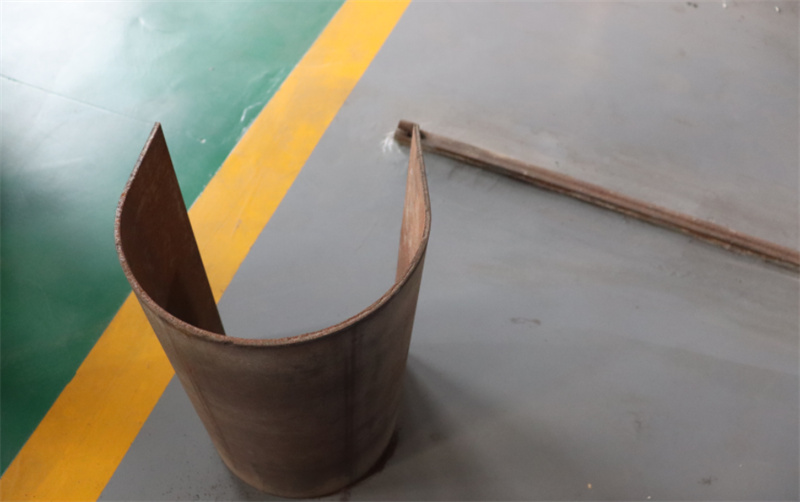
एक ऊर्ध्वाधर रूप से समायोज्य तीन-रोल प्लेट बेंडिंग मशीन में, ऊपरी रोल स्थिर होता है जबकि निचला रोल समग्र रूप से ऊर्ध्वाधर दिशा में गति करता है। इस प्रकार की मशीन आमतौर पर ३ मिमी या उससे कम मोटाई की प्लेटों के लिए उपयोग की जाती है।

