




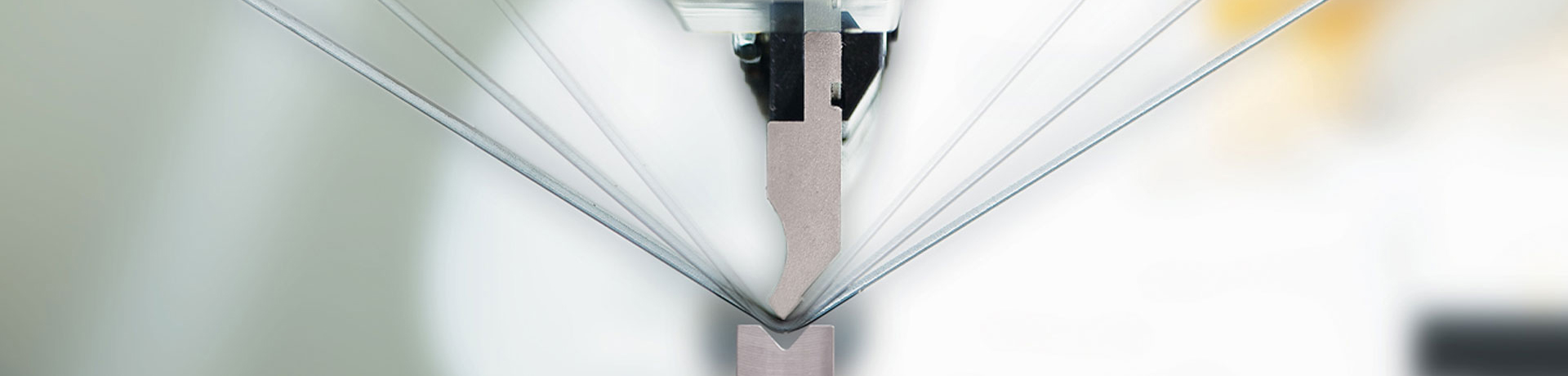
प्रेस ब्रेक सोलनॉइड वाल्व विफलता का निदान कैसे करें
विषय-सूची
• प्रेस ब्रेक हाइड्रोलिक प्रणालियों में सॉलनॉइड वाल्वों का कार्य
• प्रेस ब्रेक सॉलनॉइड वाल्वों के विशिष्ट दोष लक्षण
○ प्रेस ब्रेक रैम का संचालन न होना
○ धीमी या अस्थिर रैम गति
○ अस्थिर हाइड्रोलिक प्रणाली दबाव
• प्रेस ब्रेक सॉलनॉइड वाल्व दोषों के लिए चरणबद्ध ट्राउबलशूटिंग
○ चरण 1: सॉलनॉइड कुंडली को जाने वाले विद्युत संकेतों की पुष्टि करें
○ चरण 2: वाल्व कार्यान्वयन की क्लिक ध्वनि की जाँच करें
○ चरण 3: सोलनॉइड कुंडली की भौतिक स्थिति का निरीक्षण करें
○ चरण 4: हाइड्रोलिक तेल के दूषण का निरीक्षण करें
○ चरण 5: मैनुअल वाल्व कार्य परीक्षण करें
• सोलनॉइड वाल्व की दीर्घायु के लिए निवारक रखरखाव
○ हाइड्रोलिक तेल को स्वच्छ और दूषण-मुक्त बनाए रखें
○ विद्युत कनेक्शन की नियमित जाँच करें
○ हाइड्रोलिक प्रणाली के संचालन तापमान की निगरानी करें
• अक्सर पूछे जाने वाले प्रश्न
○ प्रेस ब्रेक में सोलनॉइड वाल्व विफलता का प्राथमिक कारण क्या है?
○ दोषपूर्ण सोलनॉइड वाल्व के साथ प्रेस ब्रेक चलाना सुरक्षित है?
○ जले हुए सोलनॉइड कुंडली की सटीक पहचान कैसे करें?
○ प्रेस ब्रेक सोलनॉइड वाल्व के लिए अनुशंसित निरीक्षण आवृत्ति क्या है?
• निष्कर्ष
परिचय
सोलनॉइड वाल्व की विफलता प्रेस ब्रेक में असामान्य गति, धीमी प्रतिक्रिया या अपूर्ण बेंडिंग चक्रों के लिए सबसे आम कारणों में से एक है। कार्यशाला में स्थल पर प्राप्त अनुभव के आधार पर, ये असामान्यताएँ लगभग हमेशा हाइड्रोलिक नियंत्रण प्रणाली की खराबी की ओर इशारा करती हैं। त्वरित और सटीक दोष स्थान निर्धारण के लिए, विद्युत संकेतों, वाल्व क्रियान्वयन और हाइड्रोलिक तेल प्रवाह को शामिल करने वाली एक संरचित निदान विधि आवश्यक है। यह गाइड क्षेत्र में सिद्ध ट्रबलशूटिंग चरणों को साझा करता है जिनके द्वारा यह पुष्टि की जा सकती है कि क्या सोलनॉइड वाल्व मूल कारण है, जिससे मशीन का अनियोजित डाउनटाइम कम से कम किया जा सके।
प्रेस ब्रेक हाइड्रोलिक प्रणालियों में सॉलनॉइड वाल्वों का कार्य
दोष निदान शुरू करने से पहले, ऑपरेटरों के लिए प्रेस ब्रेक संचालन में सोलनॉइड वाल्वों की मुख्य भूमिका को समझना अत्यंत महत्वपूर्ण है।
सोलनॉइड वाल्व हाइड्रोलिक सर्किट के भीतर हाइड्रोलिक तेल के प्रवाह की दिशा और समय को नियंत्रित करते हैं। सीएनसी नियंत्रक से विद्युत कमांड प्राप्त करने पर, सोलनॉइड कुंडली उत्तेजित हो जाती है और वाल्व स्पूल को स्थानांतरित कर देती है, जिससे हाइड्रोलिक तेल निर्धारित प्रवाह पथ के माध्यम से निर्देशित होता है।
एक मानक सीएनसी प्रेस ब्रेक हाइड्रोलिक प्रणाली में, सोलनॉइड वाल्व के निम्नलिखित कार्य होते हैं:
• रैम को ऊपर उठाना और नीचे लाना
• बेंडिंग प्रक्रिया के दौरान दबाव को जारी करना
• तीव्र आगमन और कार्य गति के बीच स्विच करना
• बेंडिंग पूर्ण होने के बाद रैम को पीछे की ओर ले जाना
एक दोषपूर्ण सोलनॉइड वाल्व सामान्य हाइड्रोलिक प्रतिक्रिया को बाधित करता है, जिससे मशीन में त्रुटियाँ या अनियमित गति उत्पन्न हो सकती है।
प्रेस ब्रेक सॉलनॉइड वाल्वों के विशिष्ट दोष लक्षण
हाइड्रोलिक समस्याओं के निदान की शुरुआत मशीन के संचालन प्रदर्शन का अवलोकन करने से होती है। निम्नलिखित लक्षण स्पष्ट रूप से संभावित सोलनॉइड वाल्व समस्याओं को इंगित करते हैं:
प्रेस ब्रेक रैम का संचालन न होना
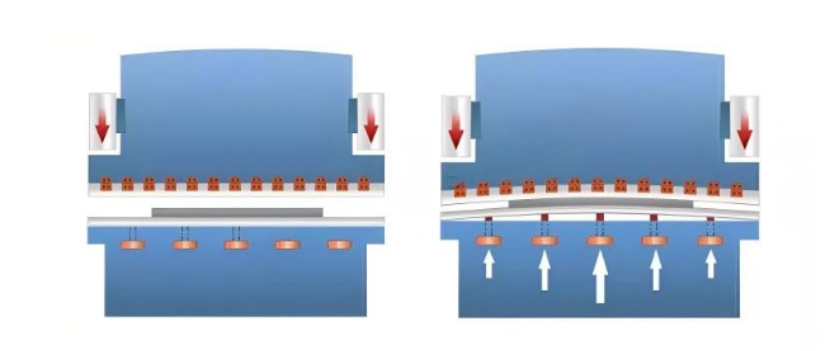
एक सामान्य समस्या यह है कि मशीन सामान्य रूप से ऑन हो जाती है, लेकिन रैम स्थिर रहता है। यह मुख्य रूप से दिशा नियंत्रण सोलनॉइड वाल्व के स्विच न कर पाने के कारण होता है।
मूल कारणों में शामिल हो सकते हैं:
• जल गई सोलनॉइड कुंडली
• क्षतिग्रस्त विद्युत वायरिंग
• दूषक पदार्थों के कारण वाल्व स्पूल अटक गया
वाल्व क्रियान्वयन की आवाज़ और विद्युत इनपुट की जाँच करने से समस्या का त्वरित निदान किया जा सकता है।
धीमी या अस्थिर रैम गति
रैम मोड़ने के चक्र के दौरान धीमी गति से चलता है या हिचकोले लेता है, जो एक अन्य विशिष्ट चेतावनी संकेत है।
संभावित योगदानकर्ता कारक:
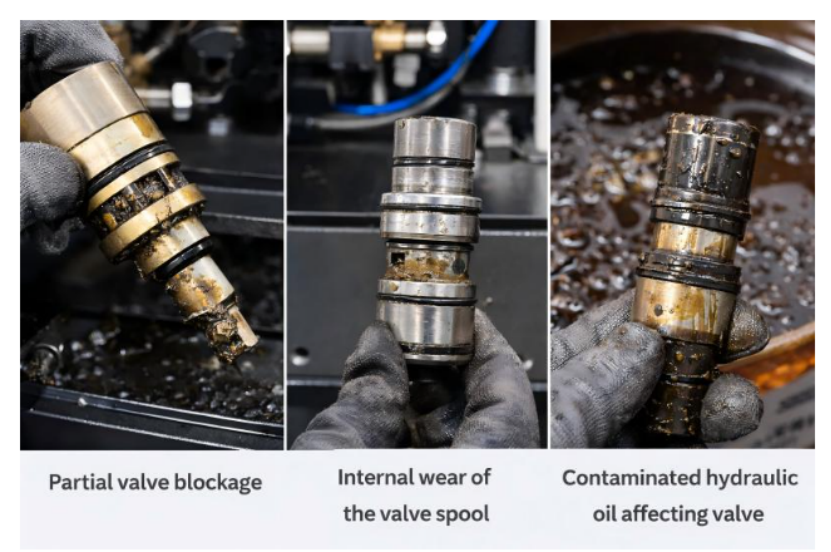
• वाल्व के अंदर आंशिक अवरोध
• वाल्व स्पूल का आंतरिक घिसावट
• दूषित हाइड्रोलिक तेल जो वाल्व की गति को रोक रहा है
ऐसे मामलों में, तेल की शुद्धता और वाल्व प्रतिक्रिया की गति की जाँच पर ध्यान केंद्रित करें।
अस्थिर हाइड्रोलिक प्रणाली दबाव
मोड़ने के दौरान दबाव में उतार-चढ़ाव अक्सर दोषपूर्ण सोलनॉइड वाल्वों से जुड़े होते हैं। वाल्व स्पूल का अपूर्ण स्थानांतरण तेल के प्रवाह को अस्थिर बना देता है, जिससे मोड़ने का बल असंगत हो जाता है।
यह आमतौर पर निम्नलिखित परिणाम देता है:
• अशुद्ध और असमान मोड़ के कोण
• दबाव गेज के पठन में उतार-चढ़ाव
• रैम की संचालन गति में अस्थिरता
प्रेस ब्रेक सॉलनॉइड वाल्व दोषों के लिए चरणबद्ध ट्राउबलशूटिंग
हाइड्रोलिक खराबियों के सटीक कारण की पहचान के लिए एक व्यवस्थित निरीक्षण प्रक्रिया का उपयोग किया जाता है:
चरण 1: सॉलनॉइड कुंडली को जाने वाले विद्युत संकेतों की पुष्टि करें
पहला नैदानिक चरण यह पुष्टि करना है कि सोलनॉइड वाल्व को उचित विद्युत शक्ति प्राप्त हो रही है।
मुख्य निरीक्षण वस्तुएँ:
• सोलनॉइड कुंडली के टर्मिनलों पर वोल्टेज को मापने के लिए मल्टीमीटर का उपयोग करें
• सीएनसी नियंत्रक द्वारा सही कार्यान्वयन संकेत के निर्गम की पुष्टि करें
• वायरिंग कनेक्टर्स और टर्मिनल्स की ढीलापन या क्षति की जाँच करें
यदि वोल्टेज सामान्य है लेकिन वाल्व क्रियान्वित नहीं होता है, तो कुंडली संभवतः दोषपूर्ण है।
चरण 2: वाल्व कार्यान्वयन की क्लिक ध्वनि की जाँच करें
एक कार्यात्मक सॉलनॉइड वाल्व को ऊर्जित करने पर एक स्पष्ट क्लिक की आवाज़ उत्पन्न करता है, क्योंकि स्पूल अपनी स्थिति में स्थानांतरित हो जाता है।
इस ध्वनि का अभाव निम्नलिखित को इंगित करता है:
• जली हुई सॉलनॉइड कुंडली
• विद्युत परिपथ का टूटा हुआ संपर्क
• वाल्व का आंतरिक यांत्रिक अवरोध
कार्यक्रम के दौरान सावधानीपूर्वक श्रवण करने से एक त्वरित प्रारंभिक निदान प्राप्त होता है।
चरण 3: सोलनॉइड कुंडली की भौतिक स्थिति का निरीक्षण करें
विद्युत संकेतों की पुष्टि करने के बाद, दृश्य निरीक्षण के लिए कुंडली को हटा दें।
कुंडली के सामान्य दोष:
• अत्यधिक तापन के कारण रंग परिवर्तन
• जलने के निशान या क्षतिग्रस्त विद्युत रोधन
• ढीला माउंटिंग फिक्सचर
क्षतिग्रस्त कॉइल वाल्व स्पूल को चलाने के लिए पर्याप्त चुंबकीय बल उत्पन्न नहीं कर सकती है और इसे तुरंत बदल देना चाहिए।
चरण 4: हाइड्रोलिक तेल के दूषण का निरीक्षण करें
कई मामलों में, सॉलनॉइड वाल्व में कोई विद्युत क्षति नहीं होती है, लेकिन दूषित हाइड्रोलिक तेल के कारण यांत्रिक रूप से अटक जाता है।
तेल में धातु के कण और कीचड़ के कारण हो सकते हैं:
• वाल्व स्पूल का अटकना
• वाल्व स्विचिंग में देरी
• आंतरिक हाइड्रोलिक रिसाव
वाल्व असेंबली की सफाई और हाइड्रोलिक फिल्टर को बदलने से आमतौर पर सामान्य कार्यक्षमता बहाल हो जाती है।
चरण 5: मैनुअल वाल्व कार्य परीक्षण करें
यदि विद्युत और तेल की स्थिति संतोषजनक हैं, तो एक मैनुअल वाल्व परीक्षण करें।
परीक्षण प्रक्रियाएँ:
• मैनिफोल्ड ब्लॉक से वाल्व को हटाएँ
• स्पूल गति की चिकनाहट की जाँच मैनुअल रूप से करें
• वाल्व के आंतरिक घटकों को साफ़ करें और चिकनाई करें
एक अटका हुआ वाल्व स्पूल सोलनॉइड वाल्व को विफलता का स्रोत पुष्ट करता है।
सोलनॉइड वाल्व की दीर्घायु के लिए निवारक रखरखाव
नियमित और उचित रखरखाव प्रथाओं के साथ अधिकांश सोलनॉइड वाल्व विफलताओं को रोका जा सकता है:
हाइड्रोलिक तेल को स्वच्छ और दूषण-मुक्त बनाए रखें
सुसंगत वाल्व प्रदर्शन के लिए स्वच्छ हाइड्रोलिक तेल आवश्यक है। निवारक उपाय:
• निर्धारित अंतरालों पर हाइड्रोलिक तेल को बदलें
• उच्च-दक्षता वाले तेल फ़िल्टर स्थापित करें
• तेल दूषण स्तर का नियमित रूप से परीक्षण करें
साफ तेल आंतरिक वाल्व के क्षरण और अवरोधों को समाप्त करता है।
विद्युत कनेक्शन की नियमित जाँच करें
ढीले या जंग लगे कनेक्शन सोलनॉइड वाल्व को विद्युत संकेतों के प्रेषण में बाधा डालते हैं।
नियमित निरीक्षण में निम्नलिखित बिंदुओं को शामिल किया जाता है:
• वायरिंग टर्मिनलों को कसना
• सभी विद्युत कनेक्टरों को सुरक्षित करना
• विद्युत कैबिनेट में उचित शीतलन सुनिश्चित करना
स्थिर विद्युत इनपुट विश्वसनीय वाल्व एक्चुएशन की गारंटी देता है।
हाइड्रोलिक प्रणाली के संचालन तापमान की निगरानी करें
अत्यधिक ऊष्मा कुंडली के क्षरण को तेज करती है और वाल्व के सेवा जीवन को कम करती है। इष्टतम शीतलन प्रणालियों को बनाए रखने से घटकों की टिकाऊपन बढ़ती है।
अक्सर पूछे जाने वाले प्रश्न
प्रेस ब्रेक में सोलनॉइड वाल्व विफलता का प्राथमिक कारण क्या है?
हाइड्रोलिक तेल का दूषण प्रमुख कारण है, क्योंकि कचरा और कीचड़ वाल्व स्पूल के फंसने और आंतरिक प्रवाह चैनलों के अवरुद्ध होने का कारण बनते हैं।
दोषपूर्ण सोलनॉइड वाल्व के साथ प्रेस ब्रेक चलाना सुरक्षित है?
आमतौर पर नहीं। एक दोषपूर्ण सोलनॉइड वाल्व हाइड्रोलिक प्रवाह नियंत्रण खो देता है, जिससे रैम का अचल हो जाना या झुकाव की गुणवत्ता में अस्थिरता उत्पन्न होती है।
जले हुए सोलनॉइड कुंडली की सटीक पहचान कैसे करें?
कुंडली प्रतिरोध को मापने के लिए मल्टीमीटर का उपयोग करें। कोई सततता न होना या असामान्य प्रतिरोध मान कुंडली के क्षतिग्रस्त होने की पुष्टि करते हैं।
प्रेस ब्रेक सोलनॉइड वाल्व के लिए अनुशंसित निरीक्षण आवृत्ति क्या है?
सोलनॉइड वाल्वों का दृश्य निरीक्षण और कार्यात्मक परीक्षण नियमित प्रेस ब्रेक रखरखाव के दौरान किया जाना चाहिए, जो आमतौर पर मशीन के संचालन घंटों के आधार पर हर कुछ महीनों में किया जाता है।
निष्कर्ष
प्रेस ब्रेक सोलनॉइड वाल्व दोष निदान में निपुणता प्राप्त करना हाइड्रोलिक प्रणाली के स्थिर प्रदर्शन को बनाए रखने के लिए महत्वपूर्ण है। अधिकांश समस्याओं की पहचान मशीन के लक्षणों का अवलोकन करके, विद्युत संकेतों की पुष्टि करके, सोलनॉइड कुंडलियों का निरीक्षण करके और हाइड्रोलिक तेल की शुद्धता सुनिश्चित करके त्वरित रूप से की जा सकती है।
क्षेत्र अनुभव से पुष्टि होती है कि दोष का प्रारंभिक पता लगाना लंबे समय तक उपकरण के अप्रचालन (डाउनटाइम) से बचाता है और महंगे हाइड्रोलिक घटकों की रक्षा करता है। हाइड्रोलिक तेल, विद्युत कनेक्शन और वाल्व की स्थिति का नियमित रखरखाव प्रेस ब्रेक के विश्वसनीय संचालन सुनिश्चित करने का सबसे प्रभावी तरीका है।
प्रेस ब्रेक ट्रबलशूटिंग और रखरखाव समाधानों पर पेशेवर सहायता के लिए, JUGAO के इंजीनियरिंग टीम सदैव आपके उपकरण को शिखर दक्षता के साथ संचालित करने के लिए उपलब्ध है।

