




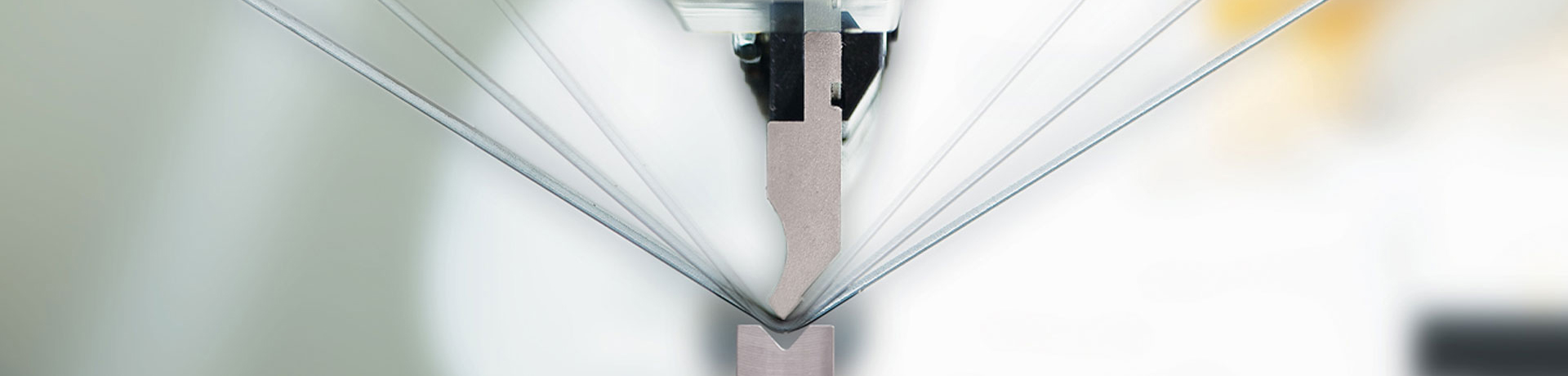
Problemas comúns e solucións no dobrado de chapa metálica
A dobra de chapa metálica é un proceso común na fabricación, pero con frecuencia xorden problemas de calidade durante a operación real. Este artigo analiza tres problemas típicos: deformación, irregularidade da peza de traballo e desgaste superficial, e grietas e fisuras, e ofrece solucións correspondentes.
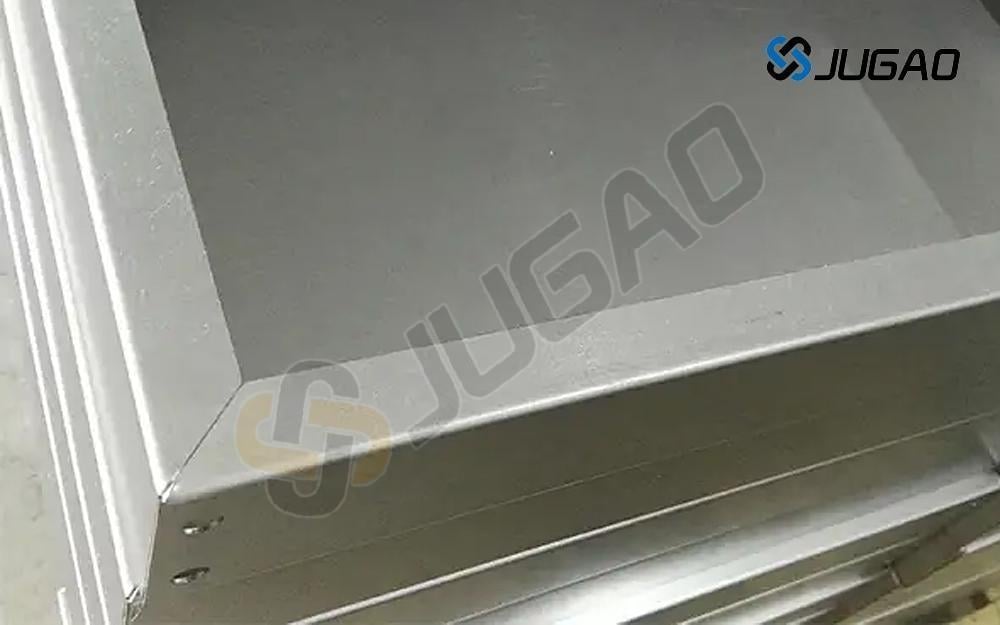
I. Problemas de deformación
A deformación maniféstase principalmente como deformación nas posicións dos furos, deformación preto da zona de dobra e deformación despois do remachado ou do remachado. As causas e solucións son as seguintes:
Causas posibles:
Fricción excesiva entre a matriz e a peza de traballo;
Velocidade de funcionamento do equipo demasiado alta, coa velocidade de deformación superando a velocidade de axuste da peza de traballo polo operario;
Tensión non uniforme na superficie da peza de traballo ou irregularidade inherente;
Aliñación incorrecta dos furos ou proceso de remachado inadecuado.
Soluções:
Aumentar a presión da placa eyectora ou realizar unha superficie texturizada na placa eyectora para aumentar o rozamento e evitar o desprazamento da peça durante a dobreza;
Reducir a velocidade de funcionamento do equipo ou aumentar a velocidade de soporte e axuste da peça pola parte do operario;
Reaxustar a distribución da forza, ampliando o rango de forza na superficie inferior e reducindo a presión local na superficie superior, ou asegurar que a peça estea colocada de xeito plano;
Optimizar o proceso de remachado, mellorar o método de remachado ou axustar a posición dos furos.
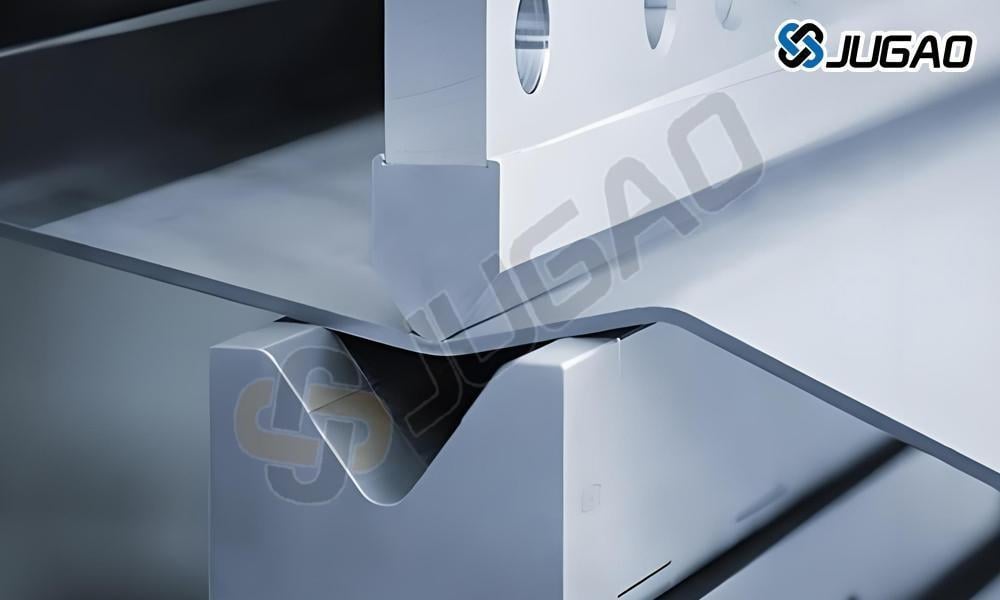
II. Irregularidades na peça e desgaste superficial
Este tipo de problema maniféstase principalmente como caras finais non uniformes na peça, fondos non uniformes nas pezas cóncavas e desgaste na superficie exterior despois da dobreza.
Causas posibles:
Durante a dobreza, a superficie exterior sométense a contracción por tracción, e a superficie interior sométense a extensión por compresión, o que orixina desviación e abombamento das caras finais na dirección da dobreza;
Material bruto desigual, pequena área de contacto da placa expulsora ou falta dun dispositivo expulsor no molde;
Radio insuficiente do punzón, folga de dobrado insuficiente ou superficie do material bruto excesivamente lisa.
Soluções:
Engadir un proceso de conformado, aplicando presión suficiente mediante o punzón e o molde, e deseñar un radio de molde que coincida co radio exterior;
Nivelar previamente o material, engadir un dispositivo expulsor ou un utillaxe especializado para conformado;
Melhorar o acabado superficial do molde, aumentar o radio do punzón e axustar adequadamente a folga de dobrado.
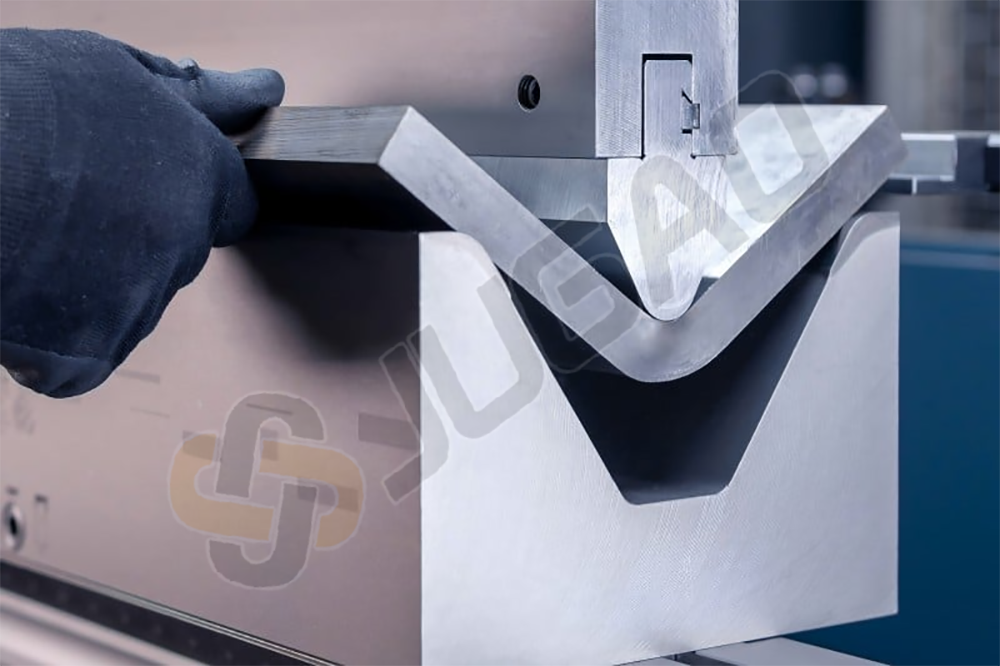
III. Rachaduras e fisuras
As rachaduras aparecen habitualmente nos ángulos de dobrado ou propáganse na dirección do grano durante o dobrado.
Causas posibles:
Radio interior de dobrado insuficiente, plasticidade do material insuficiente ou grano do material paralelo á liña de dobrado;
Microestrutura especial do material, propensa a fracturarse na dirección paralela ao grano.
Soluções:
Aumentar o radio de dobrado do punzón, axustar a orientación do corte da chapa ou recoñecer o material, ou seleccionar un material con mellor plasticidade;
Xire a chapa metálica perpendicularmente á dirección de dobrado para o corte, ou aumente o radio do punzón superior (ángulo R).
Mediante a análise sistemática das causas e a aplicación de contramedidas de proceso correspondentes, pode mellorarse eficazmente a calidade do dobrado de chapas metálicas, reducirse os defectos de produción e garantirse a precisión e durabilidade do produto. O dobrado de chapas metálicas require experiencia; observe como os artesáns experimentados dobran as chapas e por que o fan dese xeito. Para obter máis información sobre máquinas de dobrado ou procesos de dobrado, póñase en contacto co noso equipo JUGAO CNC MACHINE.

