





Cómo diagnosticar un fallo de la válvula solenoide en la plegadora
Tabla de contenidos
• La función de las válvulas solenoide en los sistemas hidráulicos de plegadoras
• Síntomas típicos de fallos en las válvulas solenoide de plegadoras
○ El émbolo de la plegadora no funciona
○ Movimiento lento o inestable del émbolo
○ Presión inestable del sistema hidráulico
• Resolución paso a paso de fallos en las válvulas solenoide de plegadoras
○ Paso 1: Verificar las señales eléctricas que llegan a la bobina solenoide
○ Paso 2: Comprobar si se escucha el sonido de activación de la válvula
○ Paso 3: Examinar el estado físico de la bobina del solenoide
○ Paso 4: Inspeccionar la contaminación del aceite hidráulico
○ Paso 5: Realizar la prueba funcional de la válvula manual
• Mantenimiento preventivo para garantizar la larga vida útil de la válvula de solenoide
○ Mantener el aceite hidráulico limpio y libre de contaminantes
○ Verificar periódicamente las conexiones eléctricas
○ Supervisar la temperatura de funcionamiento del sistema hidráulico
• Preguntas frecuentes
○ ¿Cuál es la causa principal de la avería de una válvula de solenoide en plegadoras mecánicas?
○ ¿Es seguro operar una plegadora mecánica con una válvula de solenoide defectuosa?
○ ¿Cómo identificar con precisión una bobina de solenoide quemada?
○ ¿Cuál es la frecuencia recomendada de inspección para las válvulas solenoide de las plegadoras?
• Conclusión
Introducción
La avería de la válvula solenoide es uno de los desencadenantes más frecuentes de movimientos anómalos, respuestas lentas o ciclos de plegado incompletos en las plegadoras. Basándose en la experiencia práctica en talleres in situ, estas anomalías casi siempre indican fallos en el sistema de control hidráulico. Para una localización rápida y precisa de la avería, resulta esencial aplicar un enfoque diagnóstico estructurado que abarque las señales eléctricas, la activación de la válvula y el caudal de aceite hidráulico. Esta guía comparte pasos de resolución de problemas validados en campo para confirmar si la válvula solenoide es la causa raíz, minimizando así las paradas no planificadas de la máquina.
La función de las válvulas solenoide en los sistemas hidráulicos de plegadoras
Antes de iniciar el diagnóstico de averías, es fundamental que los operarios comprendan el papel esencial de las válvulas solenoide en el funcionamiento de las plegadoras.
Las válvulas solenoide regulan la dirección y el momento del flujo del aceite hidráulico dentro del circuito hidráulico. Al recibir una orden eléctrica del controlador CNC, la bobina solenoide se excita para desplazar el émbolo de la válvula, dirigiendo así el aceite hidráulico por la trayectoria de flujo designada.
En un sistema hidráulico estándar de plegadora CNC, las válvulas solenoide son responsables de:
• Controlar el ascenso y descenso del carro
• Liberar la presión durante el proceso de plegado
• Conmutar entre la aproximación rápida y la velocidad de trabajo
• Retraer el carro tras la finalización del plegado
Una válvula solenoide defectuosa interrumpe la respuesta hidráulica normal, lo que provoca errores en la máquina o movimientos erráticos.
Síntomas típicos de fallos en las válvulas solenoide de plegadoras
El diagnóstico de problemas hidráulicos comienza con la observación del rendimiento operativo de la máquina. Los siguientes síntomas indican claramente posibles fallos en las válvulas solenoide:
El émbolo de la plegadora no funciona
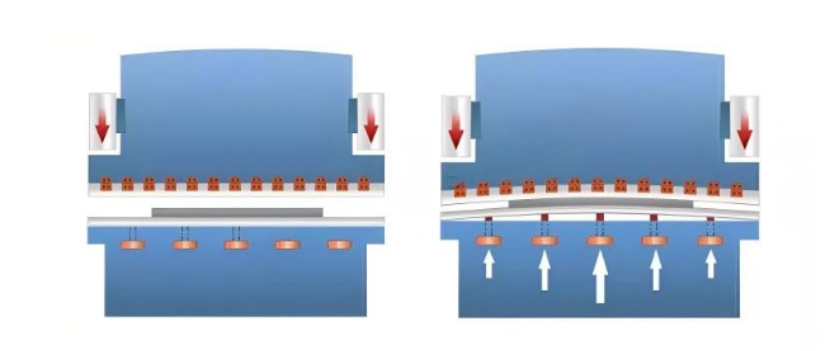
Un problema frecuente es que la máquina se enciende normalmente, pero el carro permanece inmóvil. Esto se debe principalmente a la incapacidad de la válvula solenoide de control direccional para conmutar.
Las causas fundamentales pueden incluir:
• Bobina del solenoide quemada
• Cableado eléctrico dañado
• Carrete de la válvula atascado por contaminantes
Comprobar el sonido de accionamiento de la válvula y la entrada eléctrica permite identificar rápidamente el problema.
Movimiento lento o inestable del émbolo
El émbolo se mueve lentamente o presenta tirones durante el ciclo de doblado, lo cual constituye otra señal de advertencia típica.
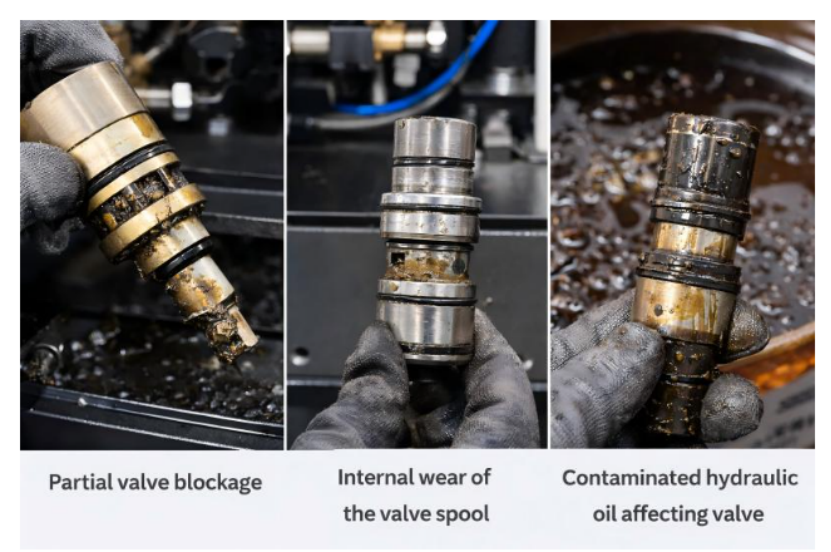
Factores contribuyentes potenciales:
• Obstrucción parcial en el interior de la válvula
• Desgaste interno del carrete de la válvula
• Aceite hidráulico contaminado que dificulta el movimiento de la válvula
En tales casos, concéntrese en inspeccionar la limpieza del aceite y la velocidad de respuesta de la válvula.
Presión inestable del sistema hidráulico
Las fluctuaciones de presión durante el doblado suelen estar relacionadas con válvulas solenoide defectuosas. Un desplazamiento incompleto del émbolo de la válvula provoca un flujo de aceite inestable, lo que da lugar a una fuerza de doblado inconsistente.
Esto normalmente conduce a:
• Ángulos de doblado inexactos y desiguales
• Lecturas fluctuantes en el manómetro
• Velocidad de operación inestable del émbolo
Resolución paso a paso de fallos en las válvulas solenoide de plegadoras
Se utiliza un proceso sistemático de inspección para identificar la causa exacta de las averías hidráulicas:
Paso 1: Verificar las señales eléctricas que llegan a la bobina solenoide
El primer paso diagnóstico consiste en confirmar que la válvula solenoide recibe la alimentación eléctrica adecuada.
Elementos clave de inspección:
• Utilice un multímetro para medir la tensión en los terminales de la bobina solenoide
• Confirme que el controlador CNC emite la señal de activación correcta
• Revise los conectores y terminales de cableado para detectar aflojamiento o daño
Si la tensión es normal pero la válvula no se activa, es probable que la bobina esté defectuosa.
Paso 2: Comprobar si se escucha el sonido de activación de la válvula
Una válvula de solenoide en funcionamiento emite un sonido de clic distintivo al ser energizada, mientras el émbolo se desplaza a su posición.
La ausencia de este sonido indica:
• Bobina del solenoide quemada
• Conexión eléctrica interrumpida
• Atasco mecánico interno de la válvula
Escuchar con atención durante el funcionamiento permite realizar un diagnóstico preliminar rápido.
Paso 3: Examinar el estado físico de la bobina del solenoide
Tras verificar las señales eléctricas, retire la bobina para su inspección visual.
Defectos comunes de la bobina:
• Cambios de color por sobrecalentamiento
• Marcas de quemadura o aislamiento dañado
• Fijación suelta
Una bobina dañada no puede generar una fuerza magnética suficiente para accionar el émbolo de la válvula y debe reemplazarse inmediatamente.
Paso 4: Inspeccionar la contaminación del aceite hidráulico
En muchos casos, la válvula solenoide no presenta daño eléctrico, pero está mecánicamente atascada debido al aceite hidráulico contaminado.
Los residuos metálicos y los lodos presentes en el aceite pueden provocar:
• Atasco del émbolo de la válvula
• Conmutación retardada de la válvula
• Fugas hidráulicas internas
La limpieza del conjunto de la válvula y el reemplazo de los filtros hidráulicos suelen restablecer el funcionamiento normal.
Paso 5: Realizar la prueba funcional de la válvula manual
Si las condiciones eléctricas y del aceite son satisfactorias, realice una prueba manual de la válvula.
Procedimientos de prueba:
• Retire la válvula del bloque colector
• Compruebe manualmente la suavidad del desplazamiento del émbolo
• Limpie y lubrique los componentes internos de la válvula
Un émbolo de válvula atascado confirma que la válvula solenoide es la fuente de fallo.
Mantenimiento preventivo para garantizar la larga vida útil de la válvula de solenoide
La mayoría de los fallos de las válvulas solenoide se pueden evitar mediante prácticas regulares y adecuadas de mantenimiento:
Mantener el aceite hidráulico limpio y libre de contaminantes
El aceite hidráulico limpio es fundamental para un rendimiento constante de la válvula. Medidas preventivas:
• Sustituya el aceite hidráulico en los intervalos programados
• Instale filtros de aceite de alta eficiencia
• Realice pruebas periódicas de los niveles de contaminación del aceite
El aceite limpio elimina el desgaste interno de la válvula y las obstrucciones.
Verificar periódicamente las conexiones eléctricas
Las conexiones sueltas o corroídas interrumpen las señales eléctricas hacia las válvulas solenoide.
La inspección rutinaria incluye:
• Apriete de los terminales de cableado
• Fijación de todos los conectores eléctricos
• Garantía de un enfriamiento adecuado en el armario eléctrico
Una entrada eléctrica estable garantiza una activación fiable de la válvula.
Supervisar la temperatura de funcionamiento del sistema hidráulico
El exceso de calor acelera la degradación de la bobina y reduce la vida útil de la válvula. El mantenimiento de sistemas de enfriamiento óptimos prolonga la durabilidad de los componentes.
Preguntas frecuentes
¿Cuál es la causa principal de la avería de una válvula de solenoide en plegadoras mecánicas?
La contaminación del aceite hidráulico es la causa principal, ya que los residuos y lodos provocan el agarrotamiento del émbolo de la válvula y obstruyen los canales internos de flujo.
¿Es seguro operar una plegadora mecánica con una válvula de solenoide defectuosa?
En general, no. Una válvula solenoide defectuosa pierde el control del flujo hidráulico, lo que conduce a la inmovilización del émbolo o a una calidad inestable del doblado.
¿Cómo identificar con precisión una bobina de solenoide quemada?
Utilice un multímetro para medir la resistencia de la bobina. La ausencia de continuidad o valores de resistencia anormales confirman una bobina dañada.
¿Cuál es la frecuencia recomendada de inspección para las válvulas solenoide de las plegadoras?
Las válvulas solenoide deben inspeccionarse visualmente y someterse a pruebas funcionales durante el mantenimiento rutinario de la plegadora, normalmente cada varios meses según las horas de funcionamiento de la máquina.
Conclusión
Dominar el diagnóstico de fallos en la válvula solenoide de la plegadora es fundamental para mantener un rendimiento estable del sistema hidráulico. La mayoría de los problemas pueden identificarse rápidamente observando los síntomas de la máquina, verificando las señales eléctricas, inspeccionando las bobinas solenoides y asegurando la limpieza del aceite hidráulico.
La experiencia en campo confirma que la detección temprana de fallos evita tiempos de inactividad prolongados y protege componentes hidráulicos costosos. El mantenimiento regular del aceite hidráulico, las conexiones eléctricas y el estado de la válvula es la forma más eficaz de garantizar un funcionamiento fiable de la plegadora.
Para soporte profesional en la resolución de problemas y soluciones de mantenimiento de plegadoras, el equipo de ingeniería de JUGAO está siempre disponible para mantener su equipo operando con máxima eficiencia.

