
Όσον αφορά την εγκατάσταση μηχανήματος κάμψης σωλήνων, έχω δει πάρα πολλούς ανθρώπους να την υποτιμούν σοβαρά. Η μηχανή φτάνει, την αποφορτώνουν με φορτωτή, την τοποθετούν στο έδαφος, τη συνδέουν στην παροχή ρεύματος και αρχίζουν να εργάζονται—μόνο και μόνο για να αντιμετωπίσουν προβλήματα μέσα σε λίγες μέρες: απόκλιση γωνίας, υπερβολική δόνηση και ασυνεπής κάμψη σωλήνων. Στην πραγματικότητα, πολλά προβλήματα ήδη δημιουργούνται κατά τη φάση εγκατάστασης.
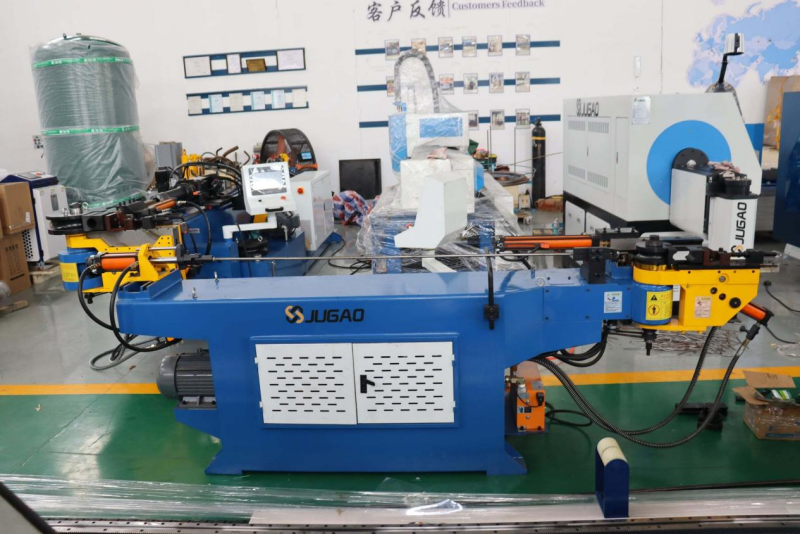
Η προετοιμασία του χώρου είναι κρίσιμη.
Οι συνθήκες του εδάφους πρέπει να αξιολογηθούν εξονυχιστικά ακόμη και πριν από την άφιξη της μηχανής. Οι CNC μηχανές κάμψης σωλήνων έχουν αυστηρότερες απαιτήσεις για τη βάση από ό,τι φαίνεται αρχικά. Ένα ανομοιόμορφο ή ανεπαρκώς αντοχή εδάφος θα επηρεάσει άμεσα την ακρίβεια κάμψης λόγω των δονήσεων κατά τη λειτουργία. Οι μηχανές κάμψης σωλήνων μεσαίου έως μεγάλου μεγέθους απαιτούν γενικά ενισχυμένες σκυρόδετες βάσεις· μια απλή επιφάνεια από σκυρόδεμα δεν είναι επαρκής.
Η σχεδίαση του χώρου είναι επίσης απαραίτητη. Πρέπει να διατεθεί επαρκής χώρος λειτουργίας και συντήρησης γύρω από τη μηχανή, συμπεριλαμβανομένων των ηλεκτρικών πίνακων, των υδραυλικών σταθμών και των περιοχών αλλαγής καλουπιών. Ορισμένα εργαστήρια τοποθετούν τις μηχανές εναντίον τοίχων για εξοικονόμηση χώρου, με αποτέλεσμα να δημιουργούνται στενοί χώροι για την αλλαγή καλουπιών και να καθιστάται αδύνατη η συντήρηση.
Μεταφορά και τοποθέτηση: Οι λεπτομέρειες καθορίζουν την επιτυχία ή την αποτυχία
Κατά την ανύψωση, βεβαιωθείτε ότι βλέπετε σαφώς τις θέσεις των σημείων ανύψωσης. Το κέντρο βάρους μιας μηχανής κάμψης σωλήνων δεν είναι ομοιόμορφα κατανεμημένο· η χρήση λανθασμένου σημείου ανύψωσης μπορεί να προκαλέσει κλίση της μηχανής ή ακόμη και να την καταστρέψει. Μετακινήστε τον εξοπλισμό αργά και σταθερά· μην προσπαθήσετε να κάνετε συντομεύσεις.
Μόλις η μηχανή τοποθετηθεί στη θέση της, η ακριβής τοποθέτηση είναι πιο σημαντική από ό,τι φαίνεται. Εάν η θέση είναι εσφαλμένη, οι ράβδοι τροφοδοσίας, εκφόρτωσης και η εργαστηριακή πλατφόρμα θα είναι όλες εκτός στοίχισης. Η δαπάνη επιπλέον δέκα λεπτών για την επιβεβαίωση της τοποθέτησης θα σας εξοικονομήσει αρκετές ώρες προσαρμογής αργότερα.
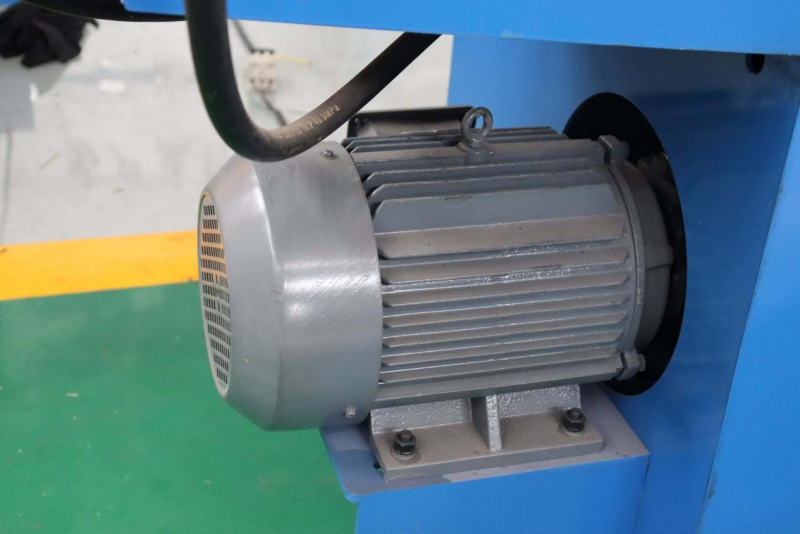
Απαιτείται αγκύρωση; Μην λάβετε την απόφαση μόνοι σας
Ορισμένα μοντέλα απαιτούν αγκύρωση, ενώ άλλα όχι. Η συμβουλή μου είναι: ακολουθήστε τις προδιαγραφές του κατασκευαστή, μην λάβετε αυτόνομες αποφάσεις. Οι μηχανές που απαιτούν αγκύρωση θα μετακινηθούν σταδιακά από τη θέση τους και η ακρίβειά τους θα μειωθεί, εάν δεν είναι σωστά στερεωμένες μετά από περίοδο λειτουργίας. Κατά την εγκατάσταση των αγκυρίων, βεβαιωθείτε ότι το βάθος και η διάμετρος της διάτρησης ανταποκρίνονται στις απαιτήσεις και σφίξτε τα ομοιόμορφα μετά την εξισορρόπηση της μηχανής. Συνιστάται να επανασφιχτούν μετά από λίγες ημέρες λειτουργίας, καθώς ενδέχεται να προκληθεί βύθιση.
Προφυλάξεις για τις ηλεκτρικές και υδραυλικές συνδέσεις
Τα προβλήματα τροφοδοσίας είναι συχνά. Η εσφαλμένη τάση, η αντιστροφή φάσης και η κακή γείωση μπορούν όλα να προκαλέσουν συναγερμούς της μηχανής, αστάθεια στη λειτουργία και ακόμη και βλάβη στο σύστημα ελέγχου. Μετά τη σύνδεση των καλωδίων, χρησιμοποιήστε πολύμετρο για να ελέγξετε την τάση και τη φάση, και βεβαιωθείτε ότι η γείωση είναι αξιόπιστη προτού ενεργοποιήσετε τη μηχανή.
Όσον αφορά το υδραυλικό σύστημα, ελέγξτε τη στάθμη του λαδιού και επιθεωρήστε τους σωλήνες και τις συνδέσεις για χαλάρωση ή ζημιά. Εάν ο αέρας δεν αφαιρεθεί πλήρως από τους σωλήνες, η πίεση θα διακυμαίνεται κατά τη λειτουργία και η ακρίβεια κάμψης θα επηρεαστεί.
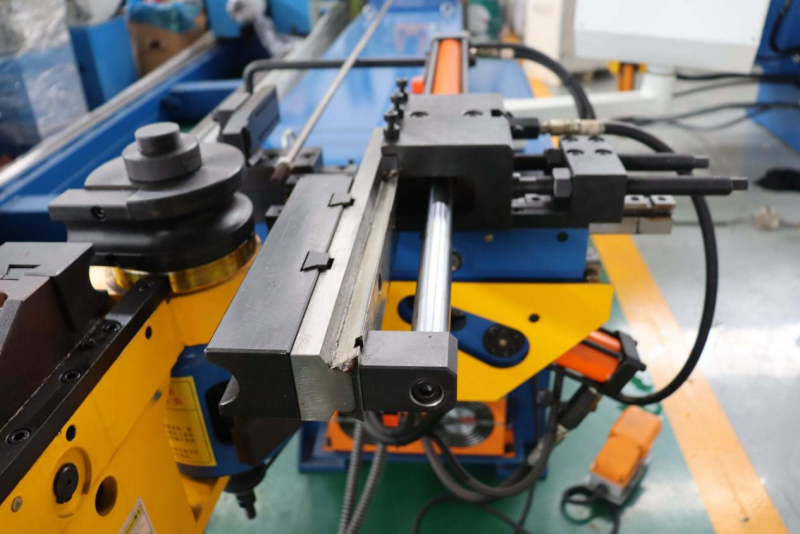
Μην παραλείψετε το βήμα εξισορρόπησης.
Η εξισορρόπηση είναι ένα από τα πιο εύκολα παραβλεπόμενα, αλλά κρίσιμα βήματα της διαδικασίας εγκατάστασης. Χρησιμοποιήστε ένα ακριβές επίπεδο για να ελέγξετε το τραπέζι του μηχανήματος από πολλές κατευθύνσεις, προκειμένου να διασφαλίσετε ότι βρίσκεται εντός του επιτρεπόμενου εύρους επιπεδότητας. Ακόμη και μια απόκλιση μόνο 0,1 χιλιοστού μπορεί να μεταφραστεί σε σφάλμα ημιβαθμού στη γωνία κάμψης. Μετά την εξισορρόπηση, σφίξτε τα αγκύρια βίδες και επανελέγξτε για οποιαδήποτε αλλαγή στην επιπεδότητα.
Δοκιμαστική λειτουργία και επαλήθευση πρώτου αντικειμένου
Μετά την εγκατάσταση, λειτουργήστε το μηχάνημα χωρίς φορτίο για ορισμένο χρονικό διάστημα, προσέχοντας για οποιουσδήποτε ασυνήθιστους θορύβους και παρατηρώντας την ομαλότητα της κίνησης κάθε άξονα. Στη συνέχεια, εκτελέστε ένα δοκιμαστικό κάμψιμο σε ένα δειγματικό σωλήνα για να ελέγξετε τη γωνία, την ακτίνα και την επαναληψιμότητα, επιβεβαιώνοντας έτσι το αποτέλεσμα της εγκατάστασης.
Σύνοψη Συνήθων Λαθών
Η ανεπαρκής αντοχή και οριζόντια επίπεδη του βάσεως αποτελούν τους πιο σοβαρούς κρυφούς κινδύνους, οι οποίοι είναι δύσκολο να διορθωθούν αργότερα· η παράλειψη της τελικής επιθεώρησης σημαίνει ότι προβλήματα όπως χαλαρές βίδες και διαρροές στις συνδέσεις δεν εντοπίζονται εγκαίρως· η μη επιβεβαίωση των παραμέτρων τροφοδοσίας πριν από την ενεργοποίηση οδηγεί σε ζημιά του συστήματος ελέγχου.
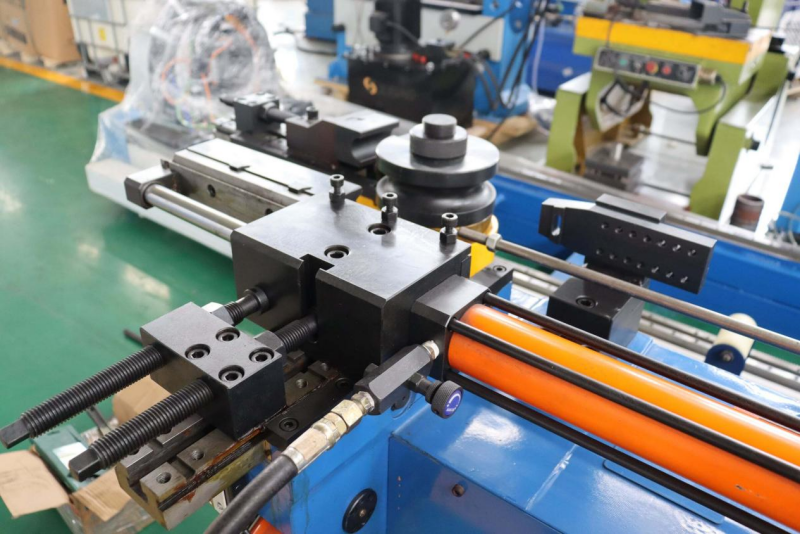
Η εγκατάσταση είναι μια διαδικασία που δεν μπορεί να επισπευστεί. Η κατάλληλη διαχείριση του χώρου, της μεταφοράς, της αγκύρωσης, της εξισορρόπησης και των δοκιμών είναι κρίσιμη για τη διασφάλιση της αξιοπιστίας της μηχανής κατά την επόμενη παραγωγή.
Έχετε αντιμετωπίσει προβλήματα ακρίβειας λόγω προβλημάτων της βάσεως κατά την εγκατάσταση νέου εξοπλισμού στο εργαστήριό σας; Καλοσωρίζουμε τα σχόλιά σας.