





Hoe koördineer lasrobots en lasuitrusting hul bewegings?
Die samestelling van lasrobots en lasuitrusting behels hoofsaaklik die volgende aspekte:
1. Verenigde samestelling van die beheerstelsel:
Lasrobots en lasuitrusting vereis 'n verenigde beheerstelsel om taaktoedeling en -beplanning te koördineer en te beplan. Hierdie stelsel kan 'n industriële rekenaar wees wat verantwoordelik is vir verenigde samestelling en beplanning, taaktoedeling en -beplanning, sowel as die verskaffing van terugvoer oor die werkstatus van die stelsel deur bewegingsbeheerders.
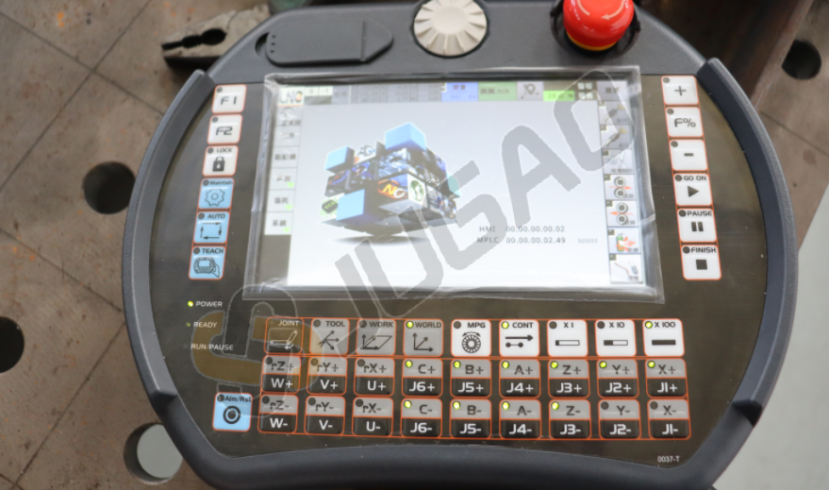
2. Bewegingsbaanbeplanning:
In die aanvanklike stadium van laswerk word die bewegingsbane van die lasrobot en lasuitrusting vooraf beplan om goeie samewerking tydens die werkproses te verseker. Dit sluit baanbeplanning vir die lasrobot in om die kontinuïteit, stabiliteit en hoë doeltreffendheid van die lasproses te verseker.
3. Sensore en terugvoersisteem:
Wat die stelsel se hardewareontwerp betref, word sensore vir posisie, spoed en boogrotasie geïnstalleer om die werklike houding van die lasrobot met behulp van sensordata te meet. Die data wat deur hierdie sensore verskaf word, is noodsaaklik vir die presiese beheer van die robot.
4. Wiskundige model en beheer-algoritme:
De wiskundige model van die lasrobot word opgestel deur die struktuur, werkingsbeginsel en dryfmetode van die lasrobot te kombineer, en die meester-slaaf gesamentlike bewegingsbaan van die lasrobot word beplan. Die PLC-beheerder genereer bevels wat toegepas word op die lasrobot se drywer om meester-slaaf gesamentlike bewegingsbeheer van die lasrobotsisteem te bereik.
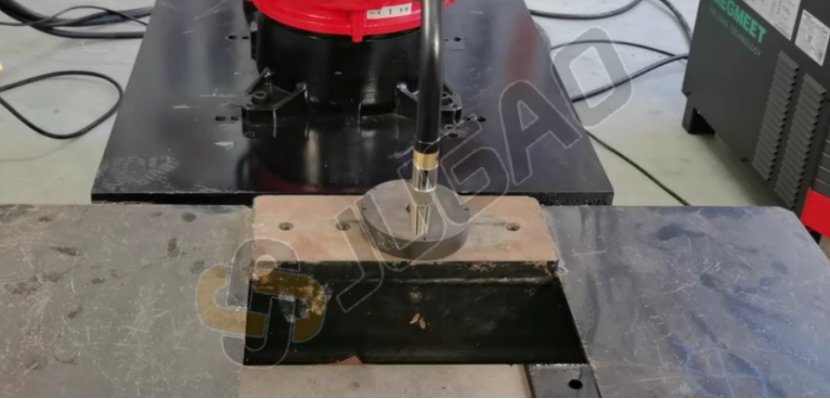
5egte-tyd-kommunikasie tussen die lasrobot en lasuitrusting:
Onder die beheer van die lasbeheerstelsel pas die robot se spesiale laskragvoorsiening sy stroomuitset aan volgens verskillende lasmateriale, lasomgewings en lasprosesse. Dit beheer ook die outomatiese draadvoer- en gasversorgingsuitrusting om lasvereistes van verskillende grade te bevredig. Egte-tyd-kommunikasie met die industriële robotbeheerstelsel verseker gesamentlike werking tussen die robot se spesiale lasuitrusting en die robotarm.
6gemak van bediening:
Operateurs kan die robot maklik programmeer met behulp van 'n onderwyspendant om gesamentlike bewegings tussen die robot en die lasuitrusting te bereik. Dit vereenvoudig die bedryfsproses en verbeter die produktiewiteit.
7. Intelligente Funksies van die Lasrobot:
Die intelligente lasrobot is toegerus met lasnaadvolgsensors om eksterne inligting te verkry en sy werktrajectorie te beplan. Dit sluit boogvolg- en laservolg-tegnologieë in, wat outomaties die trajectorie kan wysig om die laswerk te voltooi.
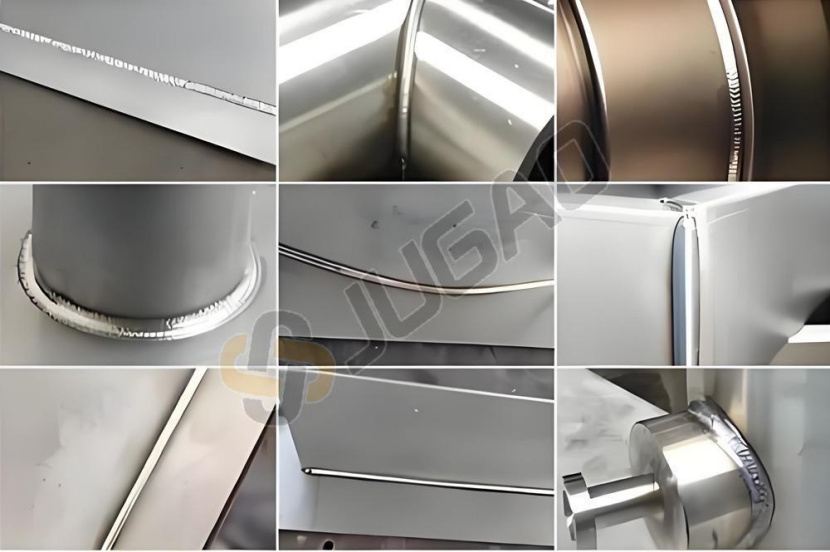
Deur bogenoemde metodes en beheerstrategieë kan die lasrobot en lasuitrusting presiese gesamentlike bewegings bereik, wat die laskwaliteit en -doeltreffendheid verbeter.

